
In 2026, blush has firmly taken over beauty routines, becoming one of the most dominant makeup categories online. From soft “boyfriend blush” that lifts the cheekbones to “sunset blush” inspired by golden hour tones, the internet continues to reinvent how blush is worn, layered, and styled.
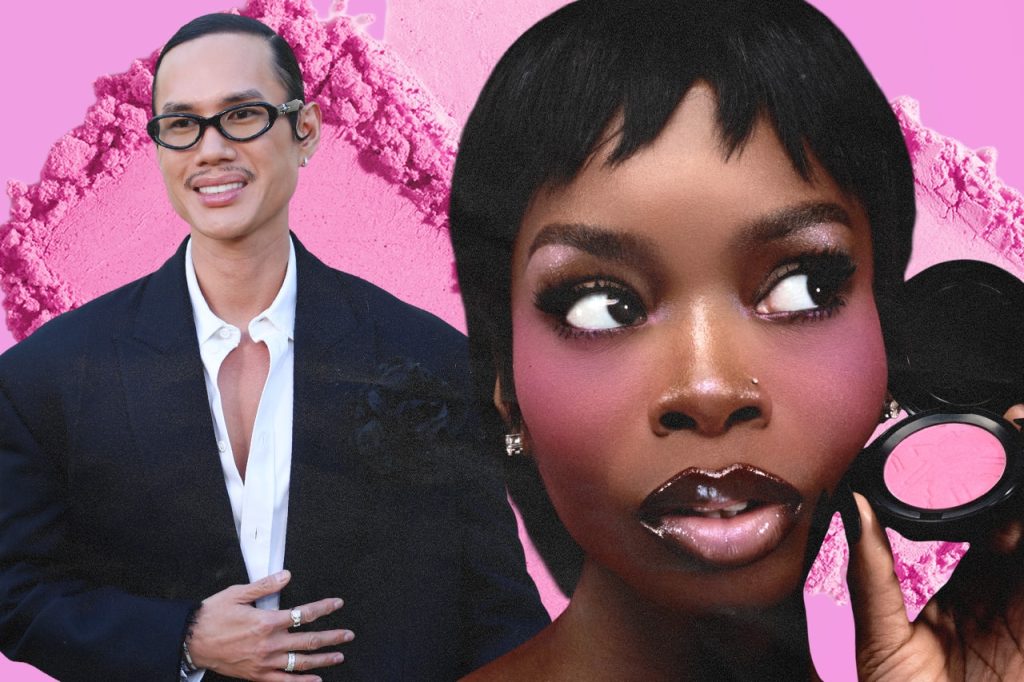
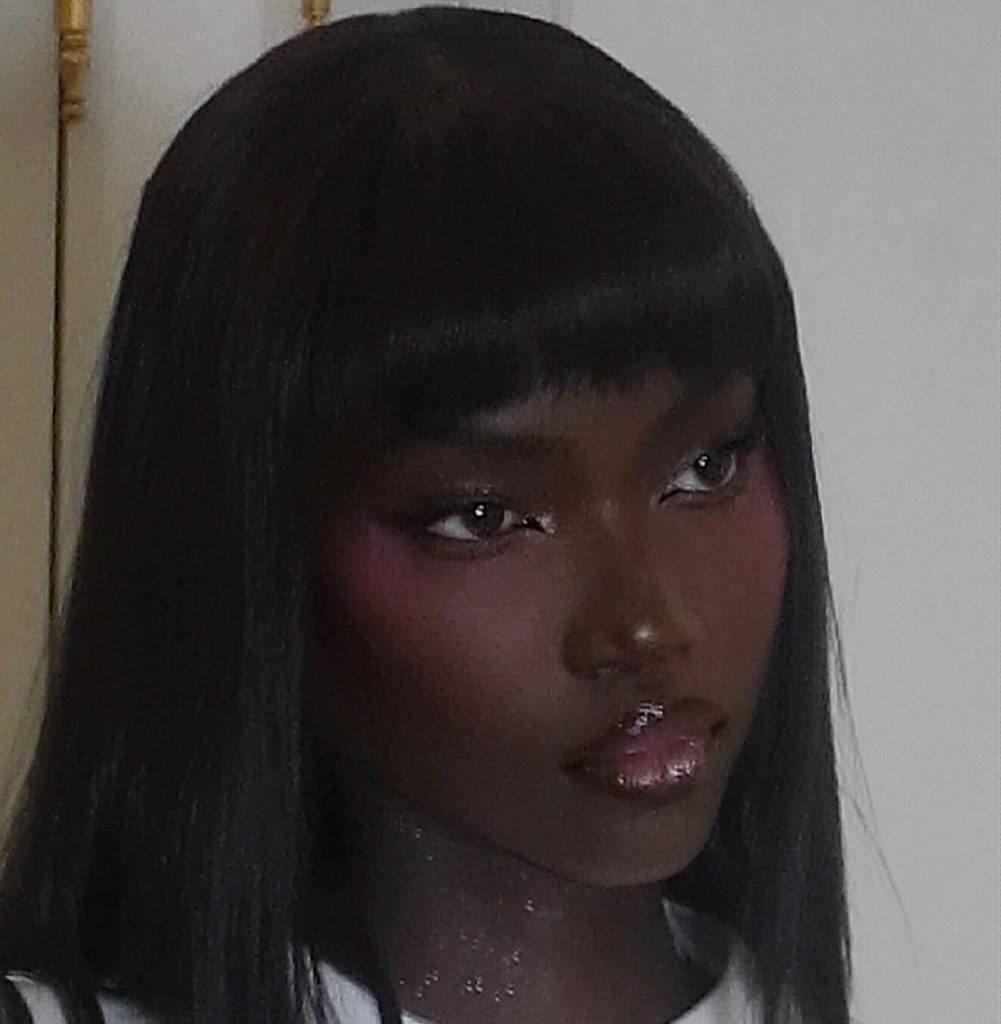
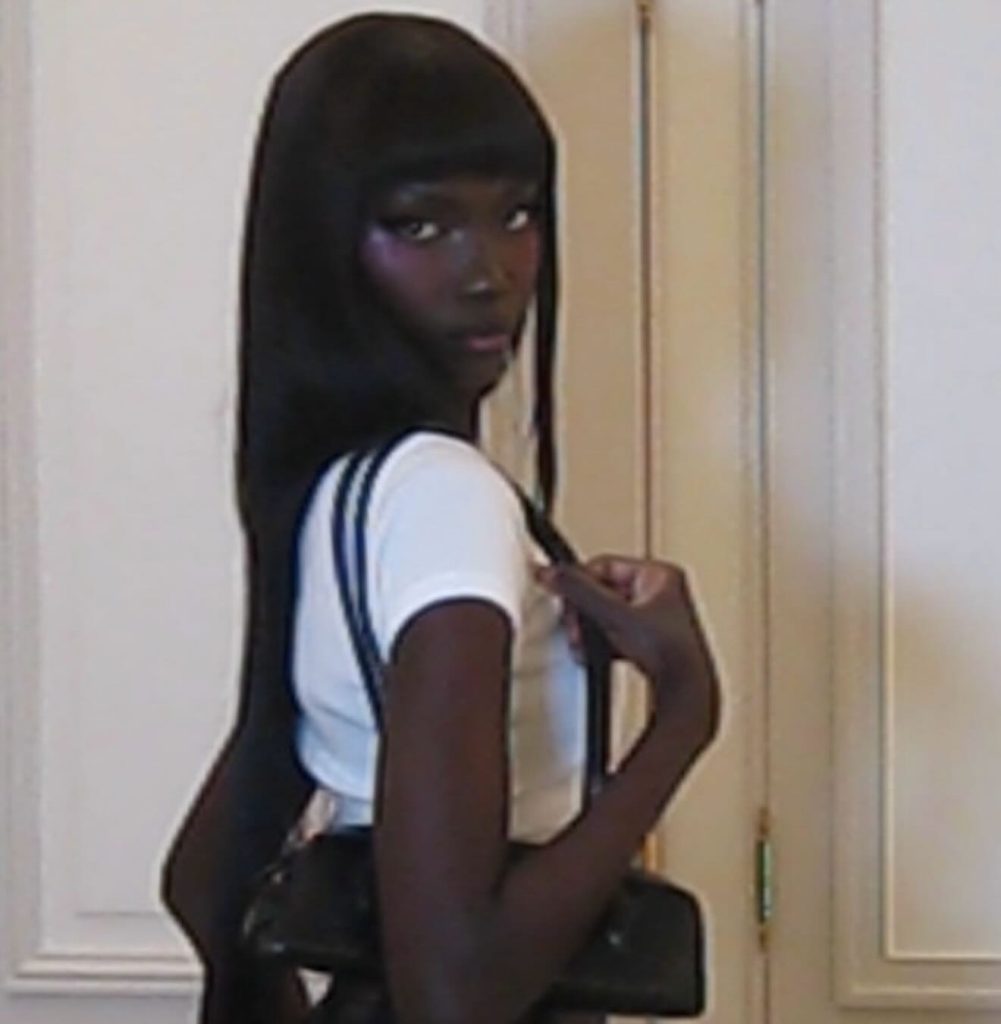
At the center of this conversation is makeup artist Ngozi Edeme, also known as Painted By Esther, whose signature airbrushed baby-pink blush placements have become widely recognisable across beauty platforms. Her work, seen on faces like Tyla and Olandria Carthen, has played a major role in the current wave of bold blush placement, particularly on Black women, where pigment, placement, and glow are intentionally amplified.
The conversation escalated when makeup artist and brand founder Patrick Ta introduced “transition blush” within his product rollout, with marketing language that many online users pointed out as closely aligned with Edeme’s established technique. The backlash intensified after claims surfaced around trademarking the term and suggesting originality, sparking debate over credit, ownership, and creative authorship in beauty.
What followed was a wider industry conversation that extended beyond two artists. While some users traced similar techniques back to historical references like Kevyn Aucoin, others argued that Edeme’s contemporary interpretation is what shaped the current visual language of blush on social media today. The result is a blurred line between inspiration, evolution, and outright ownership.
At its core, the debate highlights a recurring issue in beauty: who gets credited when a technique becomes a trend. In an industry built on shared influence and reinterpretation, the question of intellectual ownership becomes complicated when commercial branding enters the space. The controversy ultimately reflects a system where visibility and market power often outweigh original contribution, raising uncomfortable questions about how credit is assigned and protected.