
Hailey Bieber’s Cropped Trench Coat Look Is the Ultimate Transitional Style Move
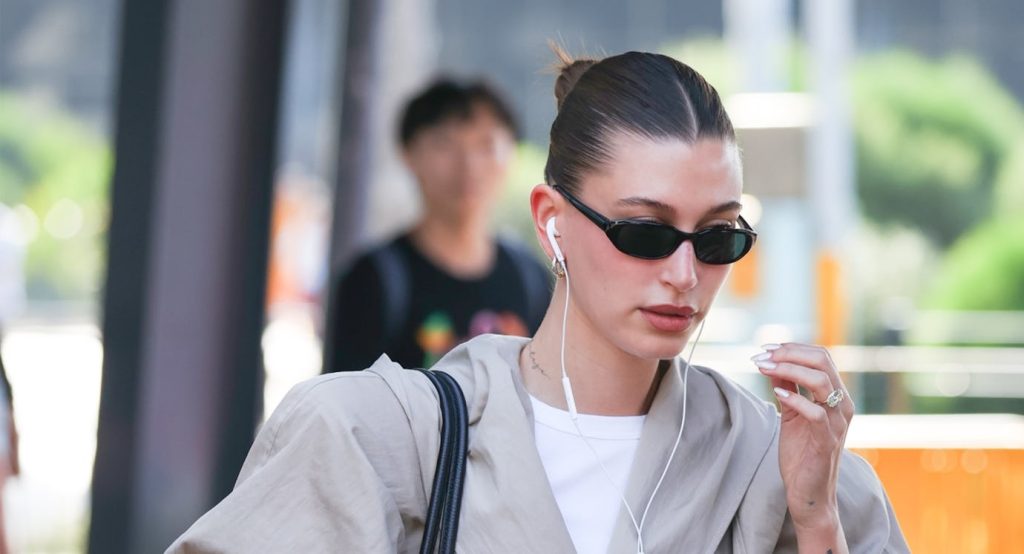
Hailey Bieber steps out in Sydney wearing a cropped Magda Butrym trench coat, white bootcut jeans, and kitten heels delivering a fresh take on transitional street style dressing.
Harry Styles Makes the Case for Ballerina Flats as the Ultimate Airport Shoe
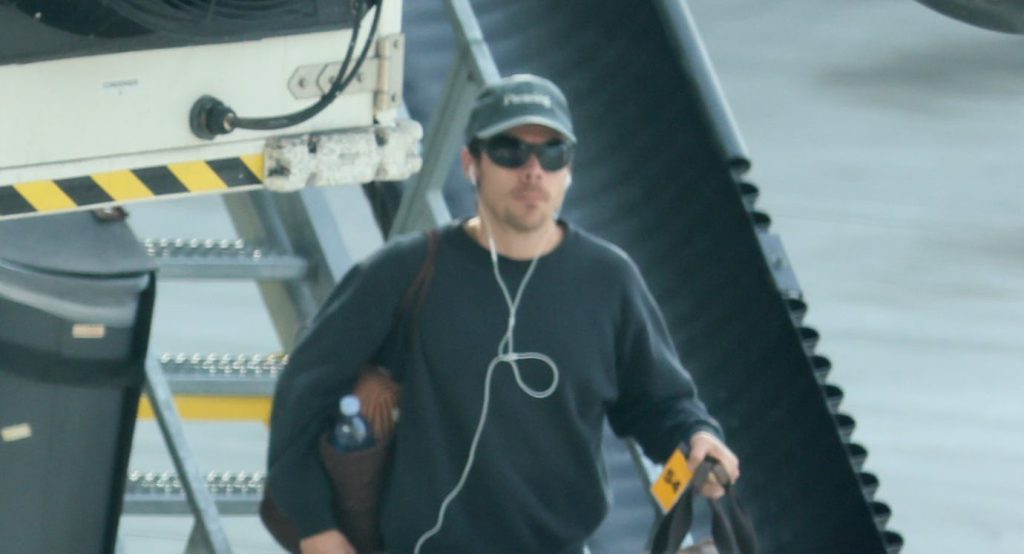
Harry Styles steps out at LAX in Miu Miu Élan ballet flats, making a bold case for ballerina shoes as the next big menswear trend.
Cardi B Announces Grow-Good Hair-Care Brand Launch
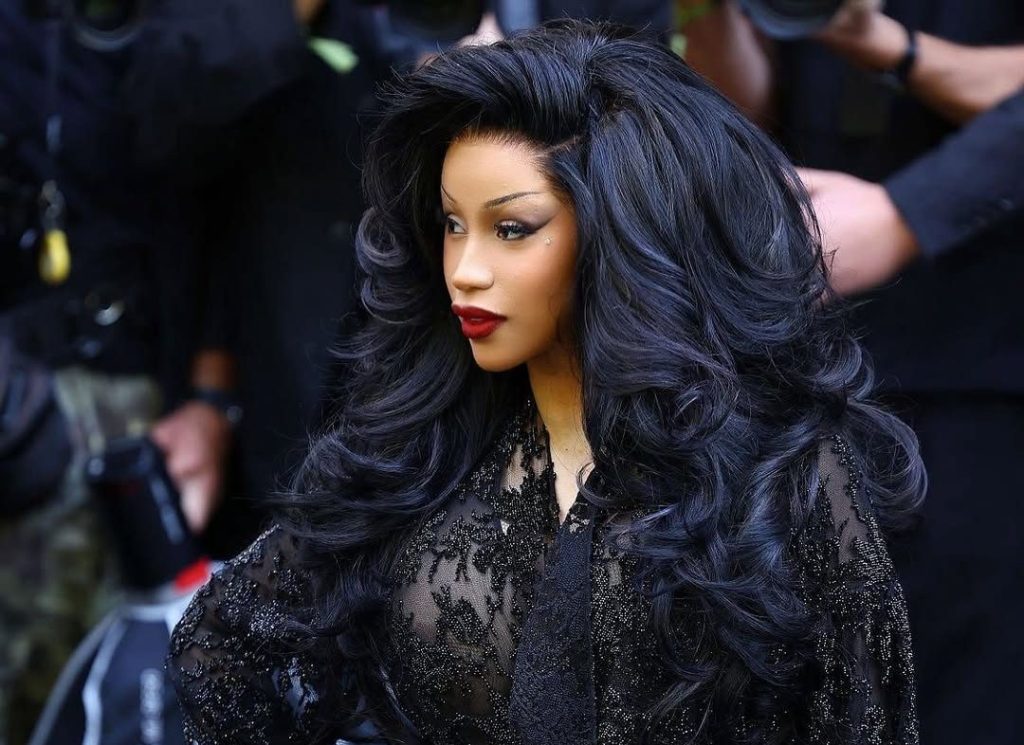
Cardi B reveals Grow-Good, her new hair-care line launching this spring, inspired by her personal natural hair journey and years of fan demand.
La Mode Magazine Exclusive Interview with Goodluck Jane
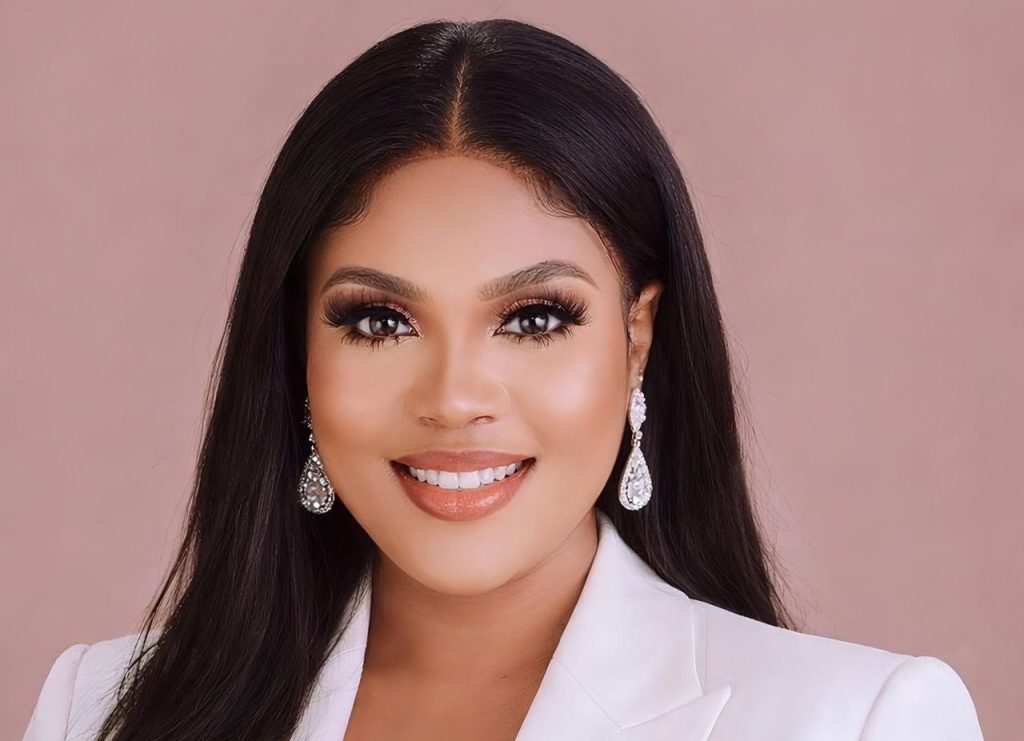
Fabric of Hope: Art as Healing in Community Spaces In a world where art often lives within gallery walls, Goodluck Jane has chosen a different canvas community spaces where healing, culture, and human connection intersect. A visionary creative, social humanitarian, and innovator, she is redefining how art functions in society. In January 2025, she launched Fabric of Hope Outreach, a hospital art intervention project that transformed pediatric wards through vibrant textile installations and collaborative storytelling. In this exclusive conversation with La Mode Magazine, Goodluck Jane shares how fabric, culture, and creativity became powerful tools for emotional restoration in healthcare spaces. La Mode Magazine (LM): Goodluck Jane, you are widely recognized not only as a creative force but also as a humanitarian and innovator. How would you describe your mission? Goodluck Jane (GJ): At my core, I believe art is a tool for restoration. Creativity is powerful, but when it intersects with community, it becomes transformative. My work has always been about using art to impact lives in meaningful ways especially in spaces where hope is fragile. LM: In January 2025, you introduced the Fabric of Hope Outreach. What inspired this hospital art intervention project? GJ: I have always believed that environment influences healing. Hospitals, especially pediatric wards, can feel sterile and intimidating. I wanted to soften those spaces bring warmth, familiarity, and cultural storytelling into rooms where children are facing some of their toughest battles. That’s how Fabric of Hope was born: a textile-based Art installation project designed to transform hospital walls into spaces of comfort and belonging. LM: The use of Ankara fabric was particularly striking. Why that choice? GJ: Fabric carries memory. Ankara, in particular, is deeply rooted in cultural identity and heritage. It’s vibrant, expressive, and familiar. For children who may be feeling isolated or disconnected during long hospital stays, touching and working with fabric from home can be grounding. The tactile experience offers comfort in a way paint on a wall simply cannot. LM: Tell us about the workshops you conducted with the children. GJ: The workshops were the heart of the outreach. Children recovering from long-term illnesses were invited to create small Ankara collages. With the help of volunteer artists and myself, they cut patterns, arranged shapes, and created symbolic imagery often reflecting their dreams, families, or future aspirations. Later, we assembled these individual pieces into large collective murals that were permanently installed within the wards. Each mural became a shared story a tapestry of resilience. LM: What impact did the project have within the hospital community? GJ: The psychological effect was profound. Nurses reported noticeable improvements in patient mood. Parents shared that the creative sessions reduced anxiety and brought moments of joy during very difficult medical journeys. Beyond that, the murals changed the atmosphere of the wards. The spaces felt alive—less clinical, more human. LM: Fabric of Hope also included training for hospital staff. Why was that important? GJ: Healing extends beyond medicine. We introduced visual storytelling exercises to help caregivers understand children’s emotional states. Sometimes a child expresses more through images than words. By equipping hospital staff with creative communication tools, we strengthened empathy and connection between families and medical teams. LM: What do you hope Fabric of Hope represents long term? GJ: I hope it stands as a reminder that art is not a luxury it is a necessity for emotional survival. Integrating culture into healthcare spaces affirms identity even in moments of vulnerability. Those murals remain vibrant symbols that beauty and heritage can coexist with hardship. Creativity has the power to soften even the most clinical environments. LM: Finally, how do you define success as an artist working in community spaces? GJ: Success, for me, is seeing a child smile in a hospital bed because they recognize a piece of fabric that feels like home. It’s witnessing families reconnect through creativity. When art becomes a bridge to hope, then I know I have done my work.
80s Nostalgia Takes Centre Stage at the Love and New Notes Premiere
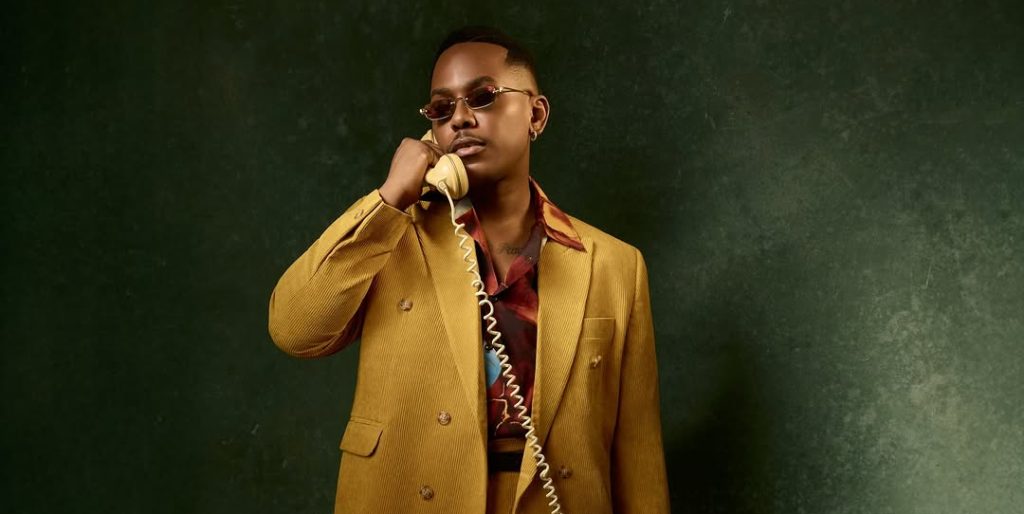
Timini Egbuson and the cast of Love and New Notes embraced bold 80s-inspired fashion at the film’s premiere, delivering nostalgic tailoring, vibrant prints, and statement accessories.
Lisa of BLACKPINK Becomes the New Face of Shiseido’s Ultimune Campaign

BLACKPINK’s Lisa has been named Shiseido’s newest global ambassador, fronting the brand’s Ultimune skincare campaign known for strengthening skin and enhancing youthful radiance.
Selena Gomez Masters After-Dark Minimalism in a Sleek All-Black Khaite Moment
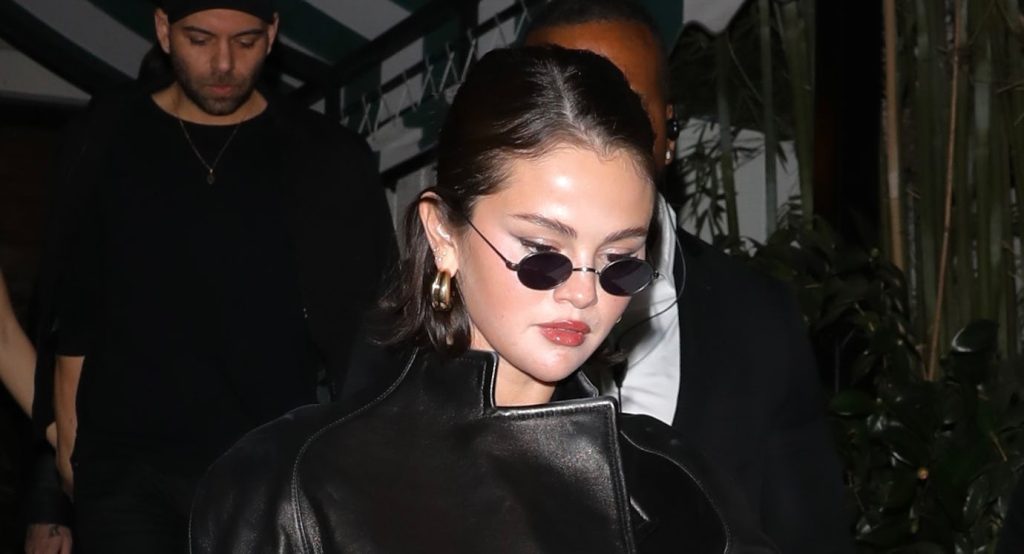
Selena Gomez proves the enduring power of monochrome dressing, stepping out in a sleek all-black look featuring a Khaite leather coat, DKNY trousers, and Jimmy Choo pumps in West Hollywood.
Angelina Jolie Stuns in Sheer Embellished Gown at Couture Paris Premiere

Angelina Jolie turns heads at the Paris premiere of Couture, wearing a shimmering embellished sheer gown that marks one of her boldest red carpet fashion moments yet.
Bad Bunny Makes Super Bowl History With First All-Spanish Halftime Show
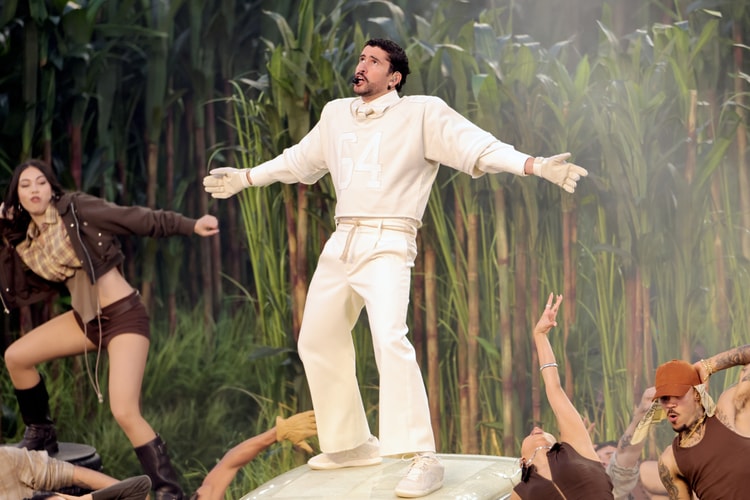
Bad Bunny’s Super Bowl halftime show was more than a performance, it was a cultural declaration broadcast to one of the largest global audiences in entertainment. Last night, Benito Antonio Martínez Ocasio, known worldwide as Bad Bunny, delivered one of the most historic halftime shows to date, becoming the first male solo Latin artist to headline the Super Bowl and the first performer to deliver an entire set in Spanish. In doing so, he transformed the stage into a vibrant tribute to Puerto Rican heritage, centering the performance on identity, language and cultural pride. The production leaned heavily into symbolism. A traditional casita, a garita inspired by the fortresses of Old San Juan, and energetic Bomba dancers anchored the visual narrative, grounding the spectacle in Caribbean tradition while maintaining the cinematic scale expected of the halftime stage. Surprise appearances from Cardi B, Lady Gaga, Karol G, Pedro Pascal, and Jessica Alba heightened the sense of global crossover, reinforcing the moment’s cultural reach. Fashion, as always, played a critical role in storytelling. Lady Gaga appeared in a custom blue pleated ruffle dress by Luar, designed by Dominican-American designer Raul Lopez and finished with a flor de maga brooch, Puerto Rico’s national flower, a subtle yet powerful detail. Dancers wore knit designs by Puerto Rican designer Jomary Segarra, spotlighting regional creative talent on one of the world’s most visible platforms. Bad Bunny’s own wardrobe choice delivered perhaps the evening’s most unexpected statement. Rather than opting for a traditional luxury house, the star wore an all-white Zara look, featuring a cropped jersey and rope-tied trousers. The decision underscored his long-standing ability to merge accessibility with cultural symbolism, suggesting that the message of unity and representation mattered more than prestige branding. Whether hinting at a future collaboration or simply choosing relatability for a global audience, the look reinforced his reputation as an artist who consistently bridges the gap between high fashion, streetwear, and cultural storytelling. The result was a halftime performance that felt less like a singular concert moment and more like a milestone in the global visibility of Spanish-language music, one that confirmed Bad Bunny’s position not only as a chart-topping star but as a defining cultural force of his generation.
The Standout Team Kits Defining Milano Cortina 2026
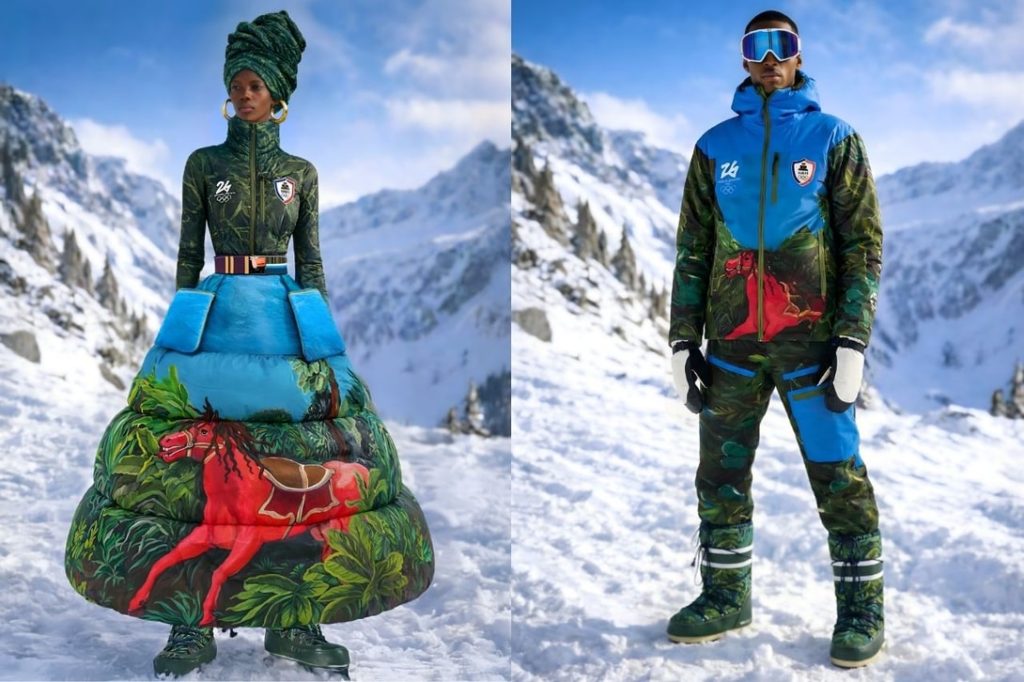
If Fashion Month is the industry’s traditional runway, the Winter Olympics might just be its most unexpected extension. As Milano Cortina 2026 approaches, the official team kits arriving from across the globe prove that performance dressing has entered a new era—one where heritage, technology, and national storytelling collide in spectacular fashion. For decades, Olympic uniforms quietly shaped the language of sportswear, long before luxury houses embraced puffers and technical outerwear as everyday essentials. Now, the Games stand as one of fashion’s most influential global showcases, where heritage labels, athletic innovators, and unexpected collaborators design garments meant not only to perform under extreme conditions but also to define cultural presence on a world stage. Haiti and Stella Jean Haiti enters the Winter Olympics for the first time in Nordic skiing, and its uniforms designed by are already among the most talked-about looks of the Games. Incorporating hand-painted artwork inspired by celebrated Haitian artist Edouard Duval-Carrié, the designs celebrate Haiti’s history as the first independent Black republic while bringing vibrant Caribbean colour to the Alpine landscape. Canada and Lululemon For its third Olympic cycle as Team Canada’s official outfitter, Lululemon leans into geography as inspiration. Puffers feature subtle topographical map detailing, while two-toned maple leaf motifs and iceberg-inspired shades of blue and green anchor the collection’s cold-weather palette, merging performance engineering with distinctly national symbolism. United States and Ralph Lauren Since 2008, Ralph Lauren has defined Team USA’s ceremony dressing, and 2026 continues the tradition. Fair Isle beanies and mittens, cable-knit coordinated sets and heritage-inspired layering pieces deliver the brand’s signature balance of athletic polish and classic Americana, ensuring the opening and closing ceremonies remain one of the Games’ most anticipated style moments. Iceland and 66°North Celebrating its 100-year anniversary, Icelandic outerwear brand 66°North outfits the nation’s Olympic and Paralympic teams in minimalist all-white ensembles inspired by the country’s ice caps. Subtle flag detailing appears along the zippers through a red-to-blue gradient, reinforcing national identity without disrupting the collection’s clean, glacial aesthetic. Brazil and Moncler Nearly six decades after its last Olympic partnership, Moncler returns to the Games by outfitting Brazil, delivering sleek cold-weather tailoring infused with the nation’s colour story. Ceremony looks feature sculptural white coats and skirts paired with capes lined in Brazilian flag tones, while performance ensembles incorporate deep blue bases accented with green detailing an elegant translation of tropical vibrancy into alpine readiness.