
Rhode Skincare Launch 2026: Hailey Bieber’s Caffeine Reset & Peptide Lip Boost
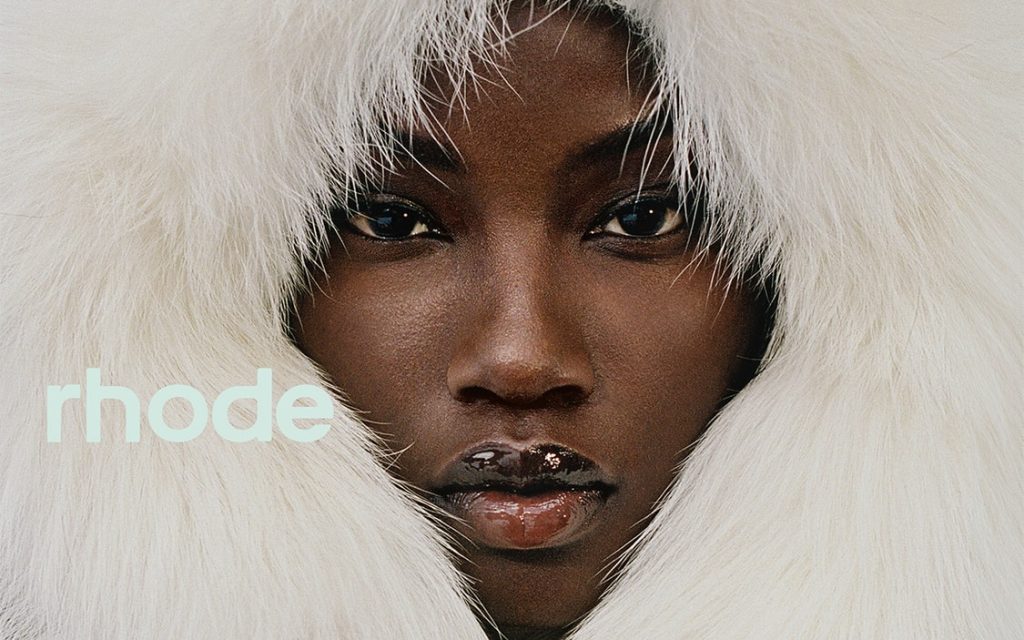
Discover Rhode’s latest beauty launches: the Caffeine Reset sculpting face mask and Peptide Lip Boost plumping lip mask by Hailey Bieber. Shop Anok Yai’s campaign favorites, available February 9, 2026.
DEBUTE “Two of Hearts” Valentine’s 2026 Capsule | Mini Dress Collection

DEBUTE launches its Valentine’s 2026 capsule, “Two of Hearts,” featuring flirty mini dresses in red, pink, and black. Shop the iconic Tallulah dress rework, worn by Alexa Chung, Sienna Miller, and Adwoa Aboah
Shaboozey Makes History at the 2026 Grammys With Groundbreaking Win

The 68th Annual Grammy Awards may have wrapped, but some victories linger far beyond the applause, reshaping conversations and recalibrating cultural narratives. Among the most resonant moments of the night was the historic win by Nigerian-American artist Shaboozey, a triumph that felt as emotional as it was symbolic. Born Collins Obinna Chibueze, Shaboozey claimed the Grammy for Best Country Duo/Group Performance for “Amen,” his faith-rooted collaboration with Jelly Roll. The win marked his first-ever Grammy, but more significantly, it cemented his place as a boundary-breaker, an artist whose work refuses to sit neatly within one genre, one heritage, or one expectation. Shaboozey’s rise has been defined by contradiction and convergence: country music filtered through hip-hop cadence, Americana reframed by West African roots, tradition colliding with modernity. His Grammy moment felt less like an arrival and more like a reckoning proof that country music’s evolving identity now has room for voices once considered peripheral. That emotional weight carried seamlessly onto social media. In a series of Instagram images, one particularly striking shot showing the artist flashing his grill while clutching the gold gramophone, Shaboozey distilled the magnitude of the moment into raw gratitude. He described the win as a wave of emotions, real tears, and an overwhelming sense of disbelief, thanking the Recording Academy for recognising “a Virginia boy and child of an immigrant.” The gravity of the night deepened during his acceptance speech at the Peacock Theater. Fighting back emotion, he revealed that his mother had retired that very day after 30 years as a nurse, often juggling multiple jobs to support her five children. His dedication expanded beyond family, transforming into a powerful ode to the immigrant experience. “This is for all children of immigrants,” he said. “For those who came to this country searching for opportunity… You bring your culture, your music, your stories. You give America colour.” It was a moment that transcended the ceremony, one that reframed the Grammy stage as a space for testimony, not just trophies. For those newly discovering Shaboozey, his story is as layered as his sound. His stage name, a playful reinterpretation of Chibueze; an Igbo name meaning “God is King” was coined by a high school football coach who couldn’t quite pronounce it. Though born in northern Virginia, he spent formative years at boarding school in Nigeria, an experience that sharpened his bicultural lens. He has since made chart history as the first Black male artist to top both the Billboard Hot 100 and Hot Country Songs charts simultaneously with “A Bar Song (Tipsy).” And before his Grammy win, his creative chemistry with Beyoncé on Cowboy Carter positioned him as a quiet disruptor long before the mainstream caught on.
Teyana Taylor Owns the 2026 Awards Season With a Powerful Grammys Fashion Moment

Teyana Taylor continues her unstoppable 2026 awards season at the Grammys, wearing a custom Tom Ford gown by Haider Ackermann and cementing her status as a fashion and cultural force.
Harry Styles Wears Ballet Flats and a Shirtless Dior Look to the 2026 Grammys
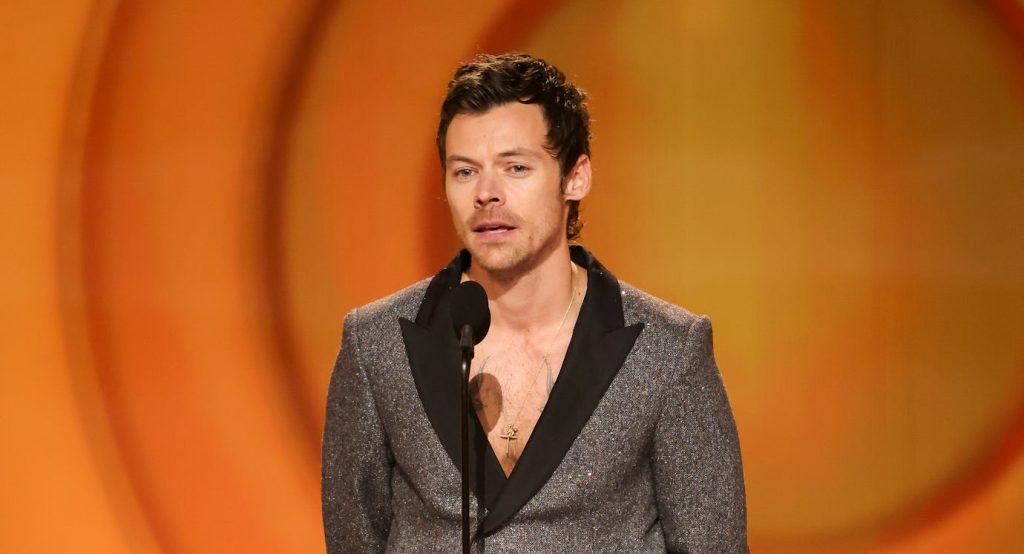
Harry Styles delivered one of the boldest menswear moments at the 2026 Grammys, stepping out in a shirtless Dior jacket by Jonathan Anderson and mint green ballet flats.
The 8 Best Dressed at the 68th Grammy Awards
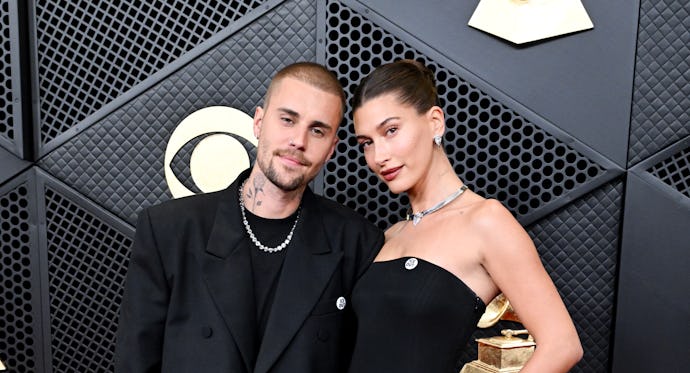
From Lady Gaga’s dramatic Matières Fécales gown to Sabrina Carpenter’s beaded Valentino moment, see the most unforgettable fashion looks from the 68th Grammy Awards red carpet.
Fela Kuti Becomes First African Artist to Receive a Grammy Lifetime Achievement Award

Nearly three decades after his passing, Fela Aníkúlápó–Kuti’s influence continues to reverberate across continents, cultures, and generations. During the 2026 Grammy Awards season in Los Angeles, the Recording Academy posthumously honoured the Afrobeat pioneer with its prestigious Lifetime Achievement Award, officially making him the first African artist to receive the distinction. The recognition was announced at the Grammys’ Special Merit Awards Ceremony, where Fela was celebrated alongside an elite class of music legends including Whitney Houston, Chaka Khan, Cher, and Paul Simon. In doing so, the Academy acknowledged not just a career, but a movement, one that reshaped global music, political expression, and African cultural identity. Accepting the honour on Fela’s behalf were members of the Kuti family: Femi Kuti, Yeni Kuti, Shalewa Kuti, and Kunle Kuti. Their presence underscored the deeply generational nature of Fela’s legacy—one that has endured through bloodline, sound, and ideology. In an official statement, Recording Academy CEO Harvey Mason Jr. described the 2026 honourees as “an extraordinary group whose influence transcends genres and generations, shaping the very foundation of modern music.” For Fela, whose work fused radical politics with hypnotic rhythm, the recognition felt long overdue. Speaking during the acceptance, Yeni Kuti reflected on the emotional weight of the moment. “I want to thank the Grammys for this wonderful award. I’m sure my father is smiling down on us,” she said. She also acknowledged family members unable to attend, including Seun Kuti, who continues to carry Afrobeat into new global spaces, and her nephew Made Kuti, whom she praised for pushing the genre forward. Femi Kuti followed with a tribute that extended beyond his father to the worldwide Afrobeat community. Thanking DJs, journalists, record labels, legal teams, and fans, he emphasized the collective effort that has sustained the music for decades. “Thank you for bringing our father here,” he said. “It’s so important for Africa. It’s so important for world peace and struggle.”
Dorcas Fapson Makes a Bridal-Coded Grammy Debut in All White
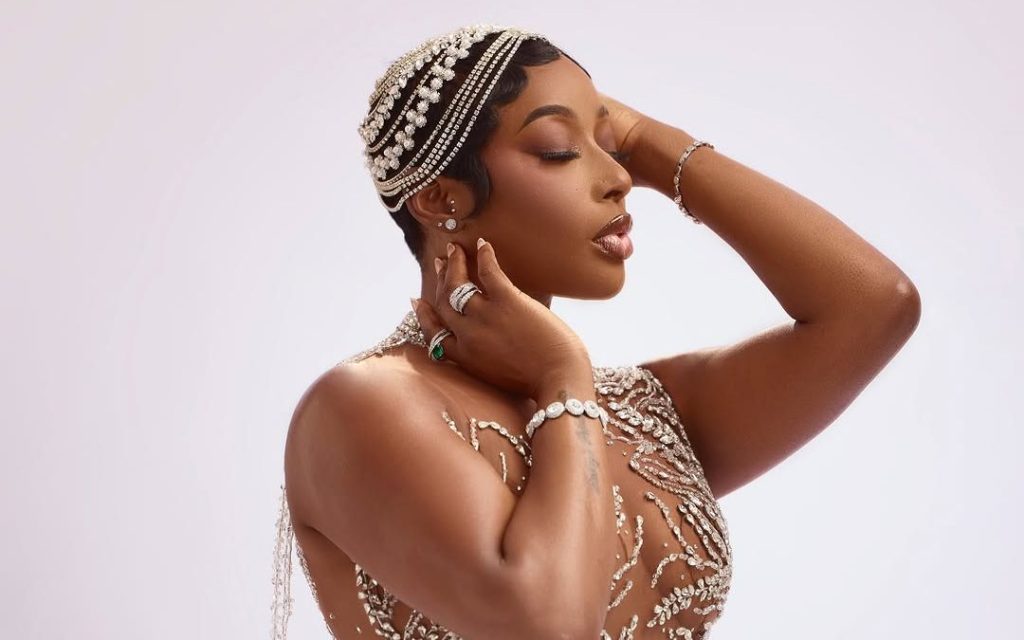
There’s something quietly powerful about a first red carpet appearance especially when it happens on one of the world’s biggest stages. At the 68th Annual Grammy Awards in Los Angeles, Dorcas Fapson, also known as Ms DSF, marked her Grammy debut with a look that was equal parts statement and spectacle. Stepping onto the red carpet at the Crypto.com Arena, the actress and DJ opted for an all-white gown that instantly set her apart from the sea of metallics and jewel tones. The dress leaned into classic glamour while flirting with ceremonial drama. Its bodice was densely embellished with crystals and beadwork arranged in sharp, geometric formations, lending structure and visual weight to the upper half of the silhouette. A high neckline and sleeveless cut gave the look a restrained elegance, while a peplum waist introduced soft volume before cascading into a sheer tulle skirt. The thigh-high slit offered a deliberate contrast—an interruption of softness with confidence—ensuring the gown never tipped into excess. Fapson completed the ensemble with a crystal headpiece and jewel-encrusted strappy heels, accessories that echoed the intricate detailing of the dress rather than competing with it. The styling was cohesive and intentional, reinforcing the idea that this was a carefully considered debut rather than a tentative first step. Unsurprisingly, the look sparked conversation online. With its pristine palette and ornate finish, many viewers noted the gown’s unmistakable bridal undertones. Dancer and media personality Pocolee summed up the internet’s collective reaction with a playful comment: “Dorcasssss na wedding remain oooo.” Bridal or not, the moment achieved what debut fashion moments are meant to do, it announced presence. And if this is how Dorcas Fapson chooses to introduce herself on the Grammy stage, it’s safe to say she understands the power of fashion as storytelling.
Tyla Makes Grammy History With Second Win for Best African Music Performance

It was a coronation night for South Africa’s global breakout star, Tyla, who officially secured her second Grammy Award at the 68th Annual Grammy Awards in Los Angeles. Stepping onto the stage just days after celebrating her 24th birthday, the singer claimed the trophy for Best African Music Performance with her genre-blurring hit, “Push 2 Start.” The win marks a historic first. Since the category’s introduction in 2024, Tyla is now the only artist to have won Best African Music Performance twice, further cementing her status as a defining voice of Africa’s new musical era. This year’s category was one of the most competitive of the night, spotlighting the continent’s sonic diversity and global reach. Tyla triumphed over an elite field that included Burna Boy (“Love”), Davido featuring Omah Lay (“With You”), Ayra Starr featuring Wizkid (“Gimme Dat”), and Eddy Kenzo & Mehran Matin (“Hope & Love”). The lineup alone signaled just how fiercely contested and culturally significant, the category has become. Released on 11 October 2024, “Push 2 Start” quickly emerged as a defining record in Tyla’s catalogue. Introduced as the lead single for TYLA +, the deluxe edition of her self-titled debut album, the track is a sleek, assured expression of Popiano, a hybrid of Amapiano, pop, and R&B that Tyla has helped push into the global mainstream. Produced by Sammy Soso, Ari PenSmith, and Mocha, the song balances rhythmic precision with pop immediacy, a formula that has become her calling card. Its ascent to Grammy recognition was carefully built. A viral teaser at the 2024 MTV Video Music Awards first ignited anticipation, followed by a polished, high-fashion music video directed by Aerin Moreno, which debuted in November 2024. From there, the track enjoyed sustained chart success, holding strong positions on the Billboard U.S. Afrobeats Songs Chart and the UK Afrobeats Singles Chart throughout late 2024 and into 2025. With this second Grammy win, Tyla’s trajectory feels less like a moment and more like a movement. In redefining what African pop can sound like and how far it can travel, she isn’t just winning awards; she’s quietly reshaping the global pop landscape.
Lady Gaga’s 2026 Grammys Look Was Gothic, Theatrical, and Pure Mayhem
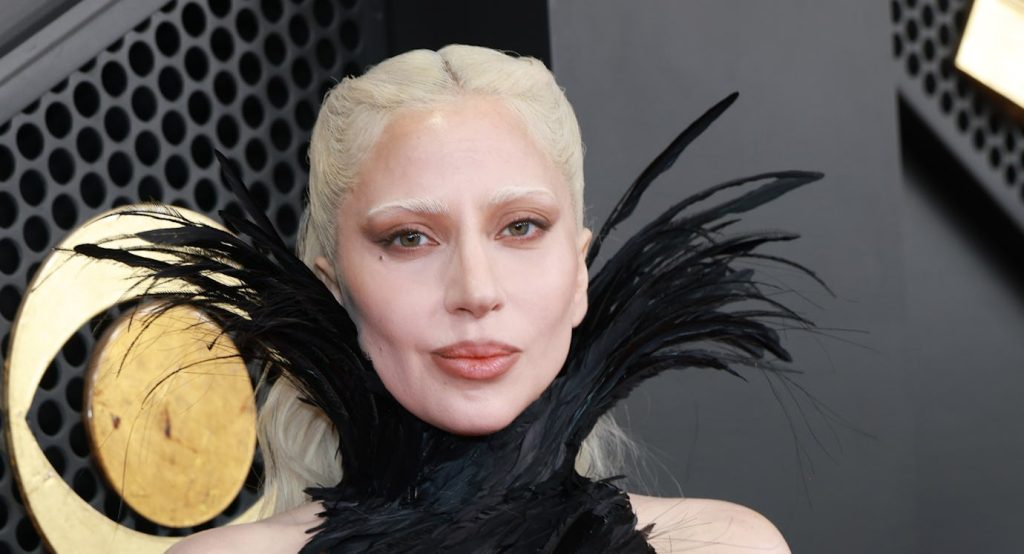
Lady Gaga has never simply arrived on a red carpet, she materialises, often with theatrical intent and cultural precision. At the 2026 Grammy Awards in Los Angeles, the singer returned to that instinctual sweet spot, delivering a look that felt less like an outfit and more like a visual thesis for Mayhem, her latest studio album. Stepping onto the carpet at the Crypto.com Arena, Gaga unveiled a dramatically feathered, floor-length gown by Matières Fécales, the Paris-based independent label that has quietly become synonymous with her Mayhem era. The silhouette was unapologetically sculptural: a rigid Victorian collar framing her face, exaggerated hips that disrupted traditional glamour proportions, and a mermaid skirt that cascaded into an elongated train. It was gothic, architectural, and knowingly excessive, fashion as performance, once again. What made the moment particularly striking, however, was Gaga’s restraint elsewhere. Her beauty look was pared back to bleached brows, platinum hair, and a clean black manicure. Jewellery was almost entirely absent, save for her engagement ring from fiancé Michael Polansky, a personal note punctuating the drama. In true Gaga fashion, the excess was deliberate, controlled, and singularly focused. This look did not exist in isolation. Much like Mayhem itself — a synth-heavy, disco-inflected body of work that nods to her Fame Monster era, Gaga’s fashion has embraced a darker, more deliberate aesthetic throughout the album rollout. Jet-black palettes, sharp tailoring, and experimental designers like Willy Chavarria and Hodakova have defined her recent appearances, signalling a return to fashion as narrative rather than novelty. At the Grammys, the message crystallised. This was Gaga fully inhabiting her world again: gothic but polished, theatrical but intentional, and unmistakably her own. In an industry that often chases reinvention for reinvention’s sake, Gaga reminds us that the most compelling evolutions are the ones rooted in self-mythology. This was not chaos it was Mayhem, meticulously styled.