

Orisakwe Emmanuel Chizitere Invites Stillness in “The Quiet Geometry of Being”
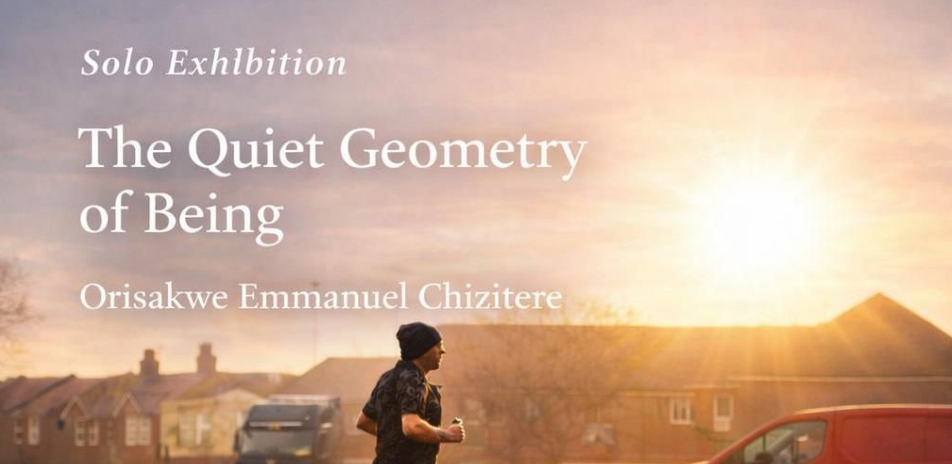
Nigerian photographer Orisakwe Emmanuel Chizitere presents “The Quiet Geometry of Being,” a reflective solo exhibition in London exploring light and stillness.
”After The Rains” A Virtual Group Exhibition of Contemporary Art and Fine Art Photography

Cista Arts, London, is pleased to present “After The Rains”, a virtual group exhibition running from April 1 to April 30, 2026. This international showcase brings together a diverse group of artists, including fine art photographers and multidisciplinary creatives, exploring themes of renewal, transformation, resilience, and the quiet aftermath of change. Among the exhibiting artists is fine art photographer Deborah Abosede Ibeme, whose work contributes to the exhibition’s reflective and emotive narrative. Rather than a curated project by a single individual, “After The Rains” is an inclusive platform organized by Cista Arts to highlight a wide range of artistic voices and perspectives. The exhibition features works spanning fine art photography, visual art, and experimental practices. Each artist offers a unique interpretation of what it means to emerge, rebuild, and rediscover beauty after periods of turbulence both personal and collective. Participating artists include: As a fully virtual exhibition, “After The Rains” provides a globally accessible experience, allowing audiences to engage with the artworks from anywhere in the world. The digital format enhances interaction while preserving the depth and intimacy of each piece. Organized by Cista Arts, the exhibition reflects the platform’s commitment to supporting contemporary artists across disciplines and creating opportunities for global visibility and connection. Cista Arts is a London based platform dedicated to promoting contemporary art through exhibitions, collaborations, and digital initiatives. The organization supports artists across disciplines, fostering dialogue, innovation, and global engagement.
Fine Art Photographer Samson Oriyomi Yusuf Featured in the 35th Community Art Exhibition in Virtual Reality
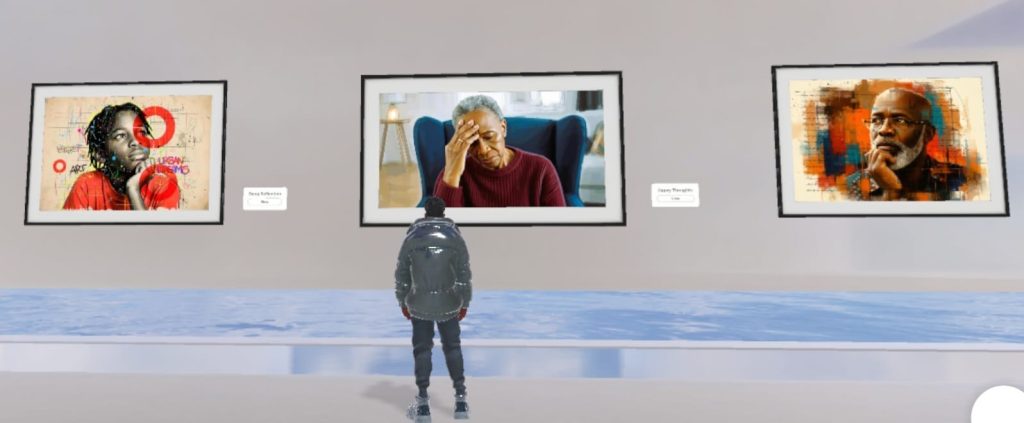
International fine art photographer Samson Oriyomi Yusuf is currently exhibiting his photographic works in the “35th Community Art Exhibition in Virtual Reality,” an innovative global group exhibition organized by Circular Art-space in Bristol, United Kingdom. The exhibition opened on February 26, 2026, and continues to welcome virtual visitors worldwide until March 22, 2026. The exhibition brings together an international selection of contemporary artists, presenting their works within an immersive virtual reality platform that allows audiences to experience art beyond the boundaries of physical galleries. This forward-thinking exhibition model reflects the evolving landscape of contemporary art presentation and digital engagement. Among the featured artists is Samson Oriyomi Yusuf, whose fine art photography contributes a compelling visual narrative to the exhibition. His work reflects a thoughtful exploration of artistic expression through photography, highlighting themes of creativity, visual storytelling, and conceptual interpretation. Yusuf’s participation reinforces the growing impact of photographic art within global contemporary exhibitions. The 35th Community Art Exhibition in Virtual Reality showcases works by an international group of artists including Mia Banks, Katie Butler, Olga Chekmazova, Francis Chukwuneye, Tessa Coe, Elisabeta Carmen Erdos, P. Franciulli, TG Freeson, Lisa Goddard, Christina Godley, L.C. Hess, Carys Lacey, Savana Mitchell, Nukleopatra, Samson Ojeifo, Lucy Rendle, Bryn Richards, Dey Roper, Aloise Sauthier, and Samson Oriyomi Yusuf. By bringing together artists from diverse creative backgrounds, the exhibition celebrates artistic collaboration and cultural dialogue while offering audiences a dynamic digital space to discover contemporary artworks. Circular Art-space continues its mission of supporting emerging and established artists by providing accessible platforms that connect global audiences with contemporary art practices. The exhibition remains open to the public in its virtual format until March 22, 2026, allowing art enthusiasts, collectors, and cultural audiences worldwide to explore the works online.
Ken Nwadiogbu Wins 2026 Young Generation Art Award

Nigerian artist Ken Nwadiogbu wins the 2026 Young Generation Art Award, earning €10,000 and a solo show at Frieze London.
Orisakwe Emmanuel Chizitere to Present Artwork Storytelling at La Mode 100 Women 2026 Gala
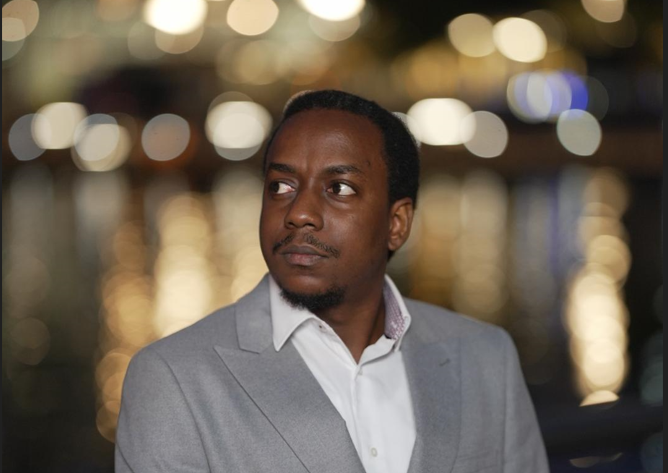
Artist Orisakwe Emmanuel Chizitere will deliver an immersive artwork storytelling experience at the La Mode 100 Most Influential Leading Women in Africa 2026 gala in London.
Samson Oriyomi Yusuf to Feature at La Mode 100 Most Influential Leading Women in Africa 2026 Gala in London
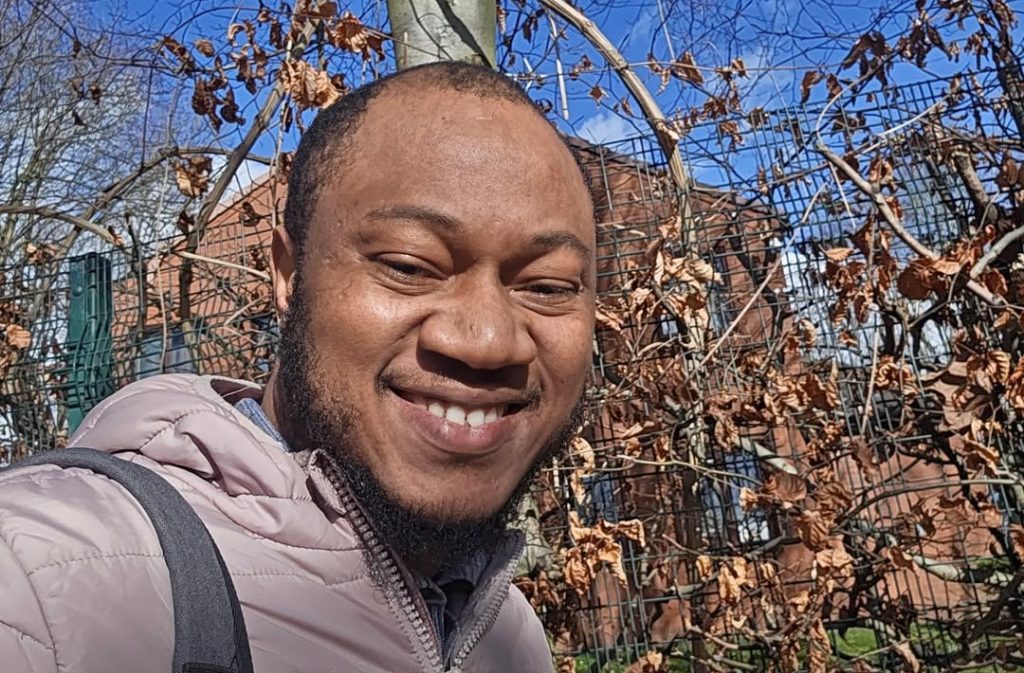
Multidisciplinary artist Samson Oriyomi Yusuf will present a fine art showcase at the La Mode 100 Most Influential Leading Women in Africa 2026 gala in London this March 8.
Must-See Black Art Exhibitions Celebrating Diasporic Creativity and Identity
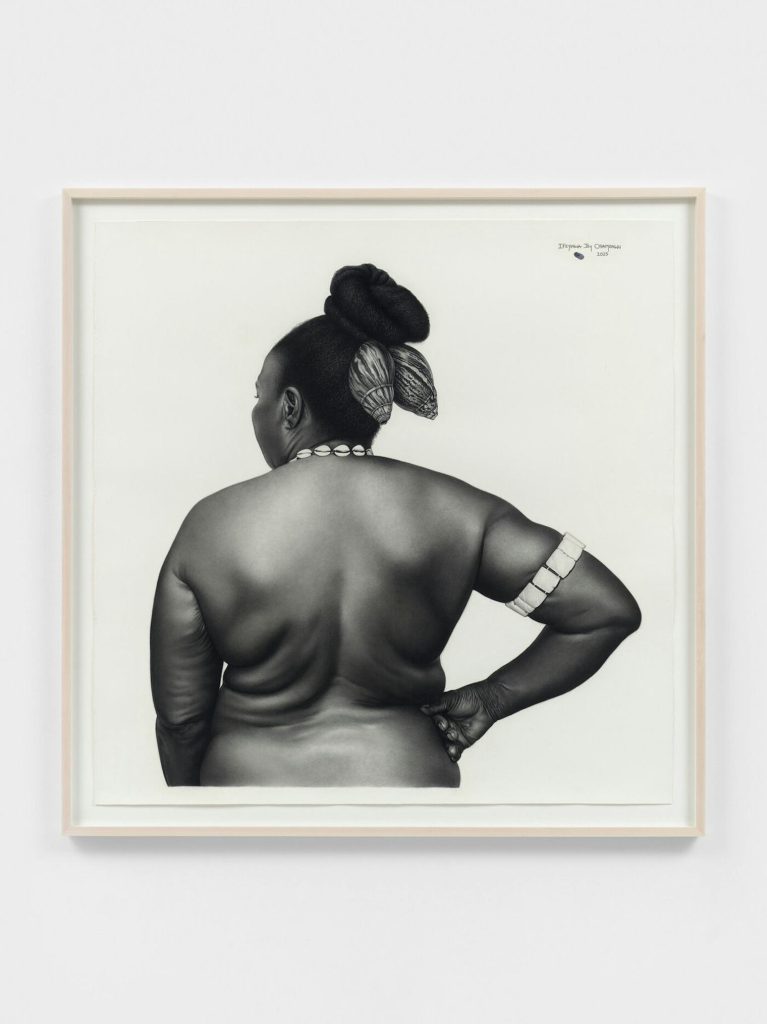
Discover major exhibitions by Ifeyinwa Joy Chiamonwu, Firelei Báez, and Shani Crowe highlighting the depth and diversity of Black artistic expression worldwide.
ARTIST PROFILE FEATURE: Goodluck Jane: Stitched Between Memory and Form
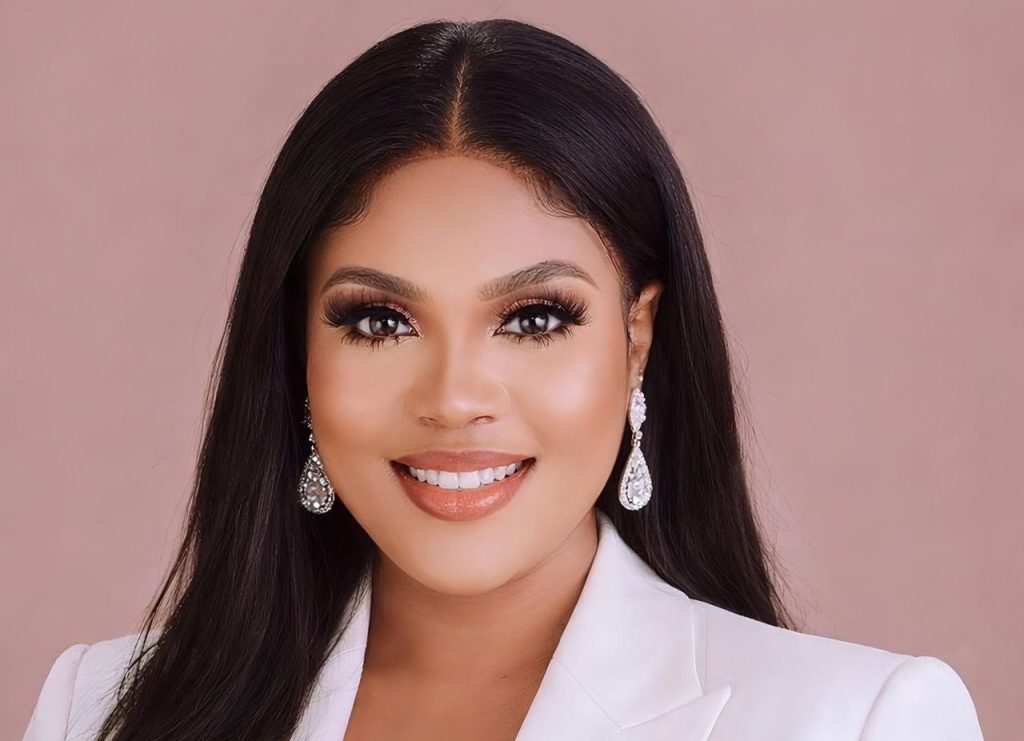
While some artists are made through institutions. Others through rebellion. A few emerge through something quieter yet more enduring, and that is inheritance. Goodluck Jane belongs unmistakably to that last category. Jane was born into a family of painters and drawing artists, her earliest exposure to the art world started long before her classrooms encounter, it started in close proximity with those who inherently found expression in art. As such, observing how materials yielded to imagination, she understood that images could carry emotion long before words did. For such an environment, Art was no longer for spectacle, but a general atmosphere. That early intimacy with visual storytelling would later mature into a multidisciplinary practice spanning painting, drawing, and mixed-media assemblage, a practice now widely recognised for its layered conversations between fabric, paper, pigment, and line. Jane began working professionally as a visual artist in 2021, yet her work carries the density of a much longer evolution. Perhaps this explains the speed with which her voice gained attention. There is little hesitancy in her compositions. They possess the confidence of someone who has long been listening. Central to her artistic language is the Ankara fabric which she treats not as embellishment, but as conceptual infrastructure. With a foundation in fashion design, Jane developed what might best be described as material intelligence: a sensitivity to how cloth behaves, how it holds colour, how it resists flattening, how it carries cultural memory. This fluency allows fabric, in her work, to function as language rather than surface. Cut fabric silhouettes interrupt painted fields. Fractured patterns interfere with drawn gestures, while paper layers echo textile rhythms. The works assemble themselves like visual palimpsests, histories layered, identities negotiated, memories partially revealed. Jane has exhibited her artwork across Nigeria and internationally, from “Bodies in Blue: An Ankara Study” at Zawyeh Gallery in Dubai, to “Bloodline in Bold Print” at Afriart Gallery in Kampala, to “Echoes in Wax and Skin” at Gallery 1957 in Ghana. Jane’s practice has persistently explored the dialogue between body, cloth, and memory. Her later solo exhibitions including “Fabric of Our Stories” at The Africa Center (UK), “Ankara Stories” at the African American Atelier Gallery (USA), and “Clothed in Care” at Umoja Art Gallery (Uganda) further cemented her reputation as an artist capable of transforming textile into narrative architecture. Recognition has followed organically too. Art historian Bolaji Campbell described her work as phenomenal. Professor Moyo Okediji noted its refined originality. Her practice has been critically engaged by Kunle Filani and peer-reviewed alongside leading contemporary artists by Professor Peju Layiwola. Yet beyond accolades, what distinguishes Jane’s work is its emotional intelligence. Despite the vibrancy of the Ankara fabric, historically associated with ceremony, celebration, visibility, her compositions often hold moments of introspection. Colours pulse, but they also pause. Patterns energise, yet they are fractured, interrupted, destabilised. The effect is deeply human. Jane’s art does not romanticise heritage, rather it interrogates it. inhabits it and asks what it means to carry history in the body, in memory, and in material. Her impact extends beyond the studio. In 2022, she collaborated with La Mode Disability Foundation, teaching persons with disabilities mixed-media practices, painting, drawing, cutting, affirming art as accessibility rather than exclusivity. In 2023, she was invited by the University of Ife to speak on “The Fragments of Art,” engaging young artists in critical reflection on materiality and meaning. By 2025, her presence had entered broader cultural conversations. She contributed to the Lagos Cultural Weekend and participated in the ARTX Lagos through professional development dialogues with rising artists. Goodluck Jane’s trajectory resists simplification. She is not merely a textile artist. Not simply a painter. And, not even only a mixed-media practitioner. She is a storyteller leveraging material to stitch memory into form, and cut identity into surface, while layering heritage into a contemporary visual language.
La Mode Magazine Exclusive Interview with Goodluck Jane
Fabric of Hope: Art as Healing in Community Spaces In a world where art often lives within gallery walls, Goodluck Jane has chosen a different canvas community spaces where healing, culture, and human connection intersect. A visionary creative, social humanitarian, and innovator, she is redefining how art functions in society. In January 2025, she launched Fabric of Hope Outreach, a hospital art intervention project that transformed pediatric wards through vibrant textile installations and collaborative storytelling. In this exclusive conversation with La Mode Magazine, Goodluck Jane shares how fabric, culture, and creativity became powerful tools for emotional restoration in healthcare spaces. La Mode Magazine (LM): Goodluck Jane, you are widely recognized not only as a creative force but also as a humanitarian and innovator. How would you describe your mission? Goodluck Jane (GJ): At my core, I believe art is a tool for restoration. Creativity is powerful, but when it intersects with community, it becomes transformative. My work has always been about using art to impact lives in meaningful ways especially in spaces where hope is fragile. LM: In January 2025, you introduced the Fabric of Hope Outreach. What inspired this hospital art intervention project? GJ: I have always believed that environment influences healing. Hospitals, especially pediatric wards, can feel sterile and intimidating. I wanted to soften those spaces bring warmth, familiarity, and cultural storytelling into rooms where children are facing some of their toughest battles. That’s how Fabric of Hope was born: a textile-based Art installation project designed to transform hospital walls into spaces of comfort and belonging. LM: The use of Ankara fabric was particularly striking. Why that choice? GJ: Fabric carries memory. Ankara, in particular, is deeply rooted in cultural identity and heritage. It’s vibrant, expressive, and familiar. For children who may be feeling isolated or disconnected during long hospital stays, touching and working with fabric from home can be grounding. The tactile experience offers comfort in a way paint on a wall simply cannot. LM: Tell us about the workshops you conducted with the children. GJ: The workshops were the heart of the outreach. Children recovering from long-term illnesses were invited to create small Ankara collages. With the help of volunteer artists and myself, they cut patterns, arranged shapes, and created symbolic imagery often reflecting their dreams, families, or future aspirations. Later, we assembled these individual pieces into large collective murals that were permanently installed within the wards. Each mural became a shared story a tapestry of resilience. LM: What impact did the project have within the hospital community? GJ: The psychological effect was profound. Nurses reported noticeable improvements in patient mood. Parents shared that the creative sessions reduced anxiety and brought moments of joy during very difficult medical journeys. Beyond that, the murals changed the atmosphere of the wards. The spaces felt alive—less clinical, more human. LM: Fabric of Hope also included training for hospital staff. Why was that important? GJ: Healing extends beyond medicine. We introduced visual storytelling exercises to help caregivers understand children’s emotional states. Sometimes a child expresses more through images than words. By equipping hospital staff with creative communication tools, we strengthened empathy and connection between families and medical teams. LM: What do you hope Fabric of Hope represents long term? GJ: I hope it stands as a reminder that art is not a luxury it is a necessity for emotional survival. Integrating culture into healthcare spaces affirms identity even in moments of vulnerability. Those murals remain vibrant symbols that beauty and heritage can coexist with hardship. Creativity has the power to soften even the most clinical environments. LM: Finally, how do you define success as an artist working in community spaces? GJ: Success, for me, is seeing a child smile in a hospital bed because they recognize a piece of fabric that feels like home. It’s witnessing families reconnect through creativity. When art becomes a bridge to hope, then I know I have done my work.
Where Light Learns Our Faces Mavic Chijioke Okeugo Solo Exhibition in London!
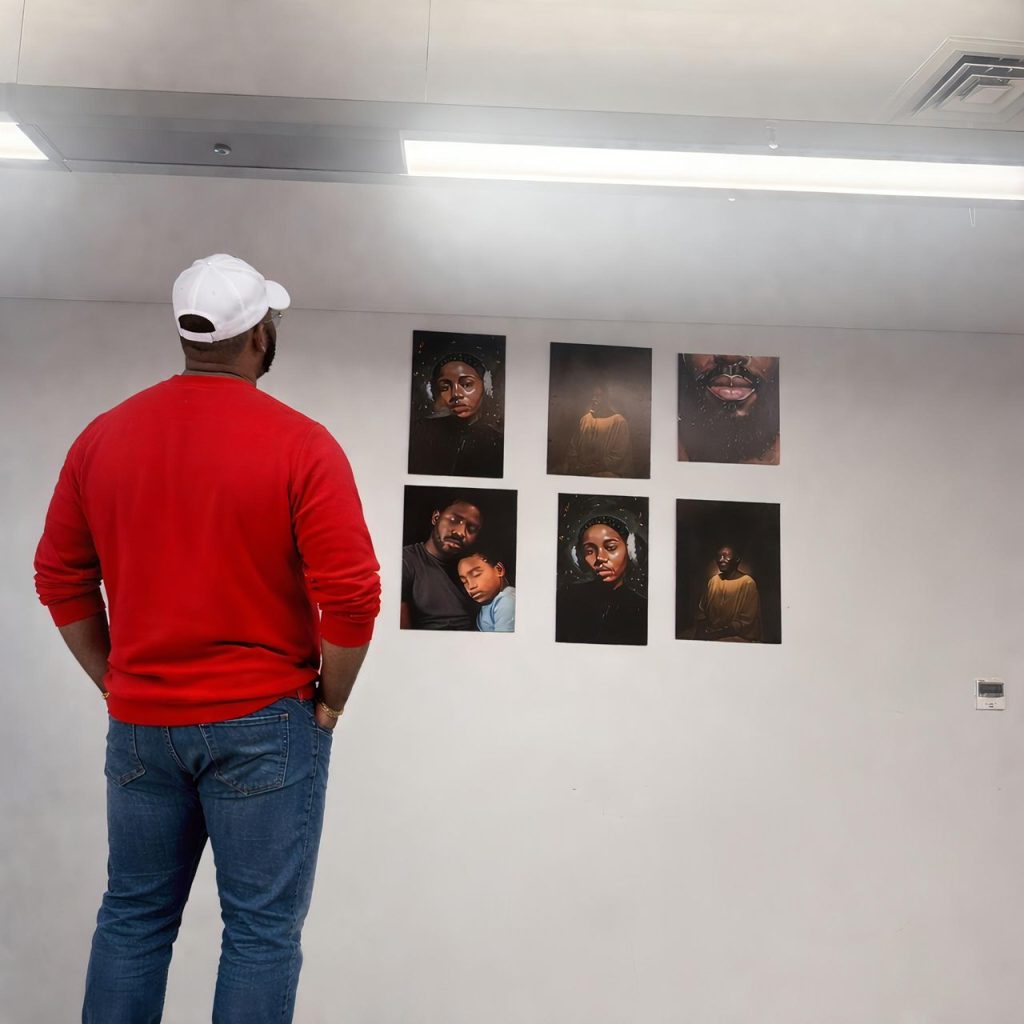
Mavic Chijioke Okeugo has concluded Where Light Learns Our Faces, a solo portrait exhibition presented at The African Centre, marking a resonant moment for contemporary photography in London. The exhibition drew sustained engagement from audiences and critics, underscoring Okeugo’s emergence as a leading voice in a new generation of portrait artists. Presented as a focused and deliberate body of work, the exhibition explored how light becomes a tool for recognition rather than spectacle. Okeugo’s portraits unfold slowly, rewarding prolonged attention. Rather than offering instant visual impact, the images reveal emotional depth through stillness, subtle gesture, and quiet expression inviting viewers into a respectful encounter with each subject. Formally, the works are defined by control and intention. Figures emerge from dark, pared-back settings, illuminated with a sensitivity that emphasises presence over performance. Across the series, Okeugo moves between moments of closeness and solitude: family members share intimate space, while individual sitters occupy the frame with calm self-possession. Together, these photographs articulate a considered meditation on visibility, memory, and Black interiority. The Private View transformed the gallery into a space of reflection rather than spectacle. Visitors engaged slowly with the work, often returning to images and entering extended conversations an indication of the exhibition’s emotional gravity and ethical clarity. The atmosphere reinforced the artist’s commitment to portraiture as a shared, human exchange. Where Light Learns Our Faces positions image-making as an act of care. By foregrounding consent, attentiveness, and dignity, Okeugo challenges extractive traditions of representation and proposes a quieter, more responsible visual language. The exhibition contributes meaningfully to ongoing discussions around contemporary Black portraiture and the politics of looking. With the close of this exhibition, Mavic Chijioke Okeugo affirms a practice rooted in rigor, sensitivity, and emotional intelligence. Where Light Learns Our Faces stands as both a milestone in his artistic development and a significant moment within the city’s cultural programme.