

Inside Konstantina Krikzoni’s ARMATURA Exhibition in Geneva
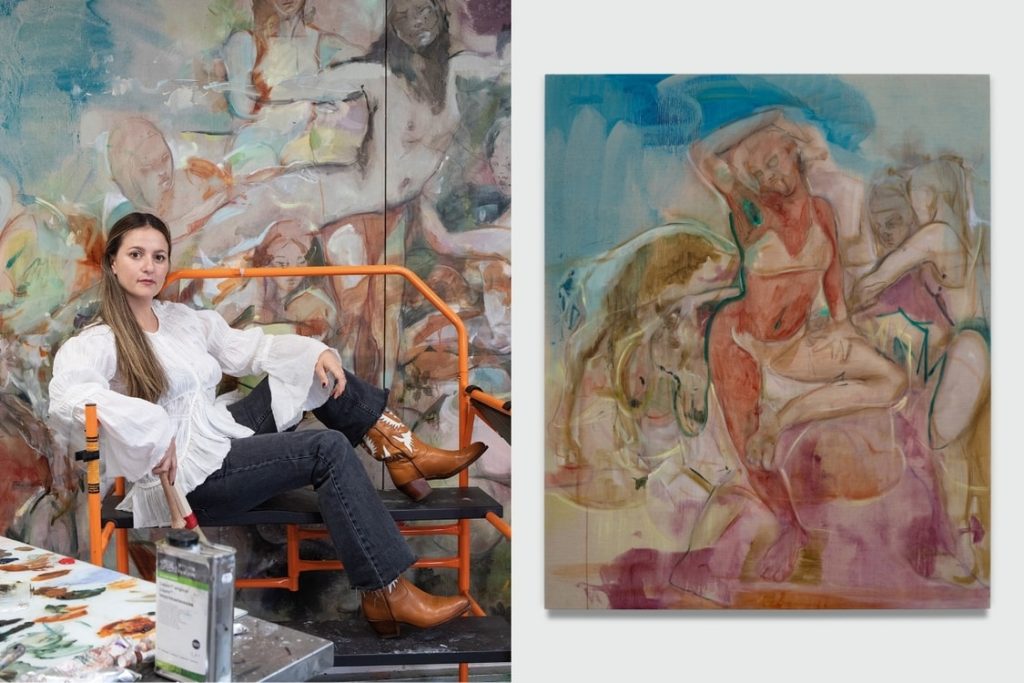
Konstantina Krikzoni’s ARMATURA at L’Appartement Gallery explores femininity, endurance and confrontation through powerful abstract figurative painting.
Mavic Chijioke Okeugo Presents Where Light Learns Our Faces Fine Art Photography Solo Exhibition | January 18, 2026 | The African Centre, London

London, UK Fine art photographer Mavic Chijioke Okeugo presents Where Light Learns Our Faces, a solo photography exhibition opening on Sunday, January 18, 2026, at The African Centre in London. The exhibition will launch with a private view from 2:00 PM to 3:00 PM, welcoming invited guests to experience the work ahead of the public opening. Where Light Learns Our Faces is a contemplative photographic series that explores identity, presence, and the quiet dialogue between light and the human face. Through carefully composed portraits, Okeugo examines how illumination shapes perception revealing emotional depth, vulnerability, and inner stillness. Light functions not merely as a technical tool, but as an active participant, engaging with the subject in moments of introspection and recognition. Rooted in an intimate and deliberate visual language, Okeugo’s photography foregrounds Black subjects with dignity and attentiveness, challenging habitual modes of seeing. The exhibition reflects on how faces hold memory, history, and becoming, and how photography can serve as a space of pause in an accelerated visual culture. This solo exhibition marks a significant moment in Okeugo’s practice, presenting a cohesive body of work that invites viewers to slow down, look closely, and encounter portraiture as an act of connection rather than consumption. Exhibition Details Title: Where Light Learns Our FacesArtist: Mavic Chijioke OkeugoDate: Sunday, January 18, 2026Private View: 2:00 PMVenue: The African CentreAddress: 66 Great Suffolk Street, London SE1 0BL
La Mode Magazine Interview: In Conversation with Mavic Chijioke Okeugo

Ahead of his solo photography exhibition, January 18, 2026, La Mode Magazine Interviewed Mavic Chijioke Okeugo. La Mode Magazine: Mavic, you’re presenting a solo exhibition titled Where Light Learns Our Faces on January 18th at The African Centre in Central London. What does this moment represent for you? Mavic Chijioke Okeugo: This exhibition feels like a pause I’ve been working toward for a long time. It’s not just about showing photographs it’s about creating a space where people can sit with faces, with presence, with light. Showing this body of work at The African Centre is deeply meaningful because it’s a place rooted in Black histories, conversations, and futures. It feels aligned with the spirit of the work. La Mode Magazine: The title Where Light Learns Our Faces is striking and poetic. How did it come about? Mavic: I wanted the title to suggest patience. Light is usually seen as something that exposes instantly, but I’m interested in light as something that studies, that listens. These photographs were made slowly, with care. The title speaks to the idea that our faces especially Black faces are not immediately legible or consumable. They deserve time to be learned. La Mode Magazine: Your practice centers on fine art photography, particularly portraiture. What draws you to the face as a primary site of exploration? Mavic: The face holds contradiction. It’s where vulnerability and strength coexist. Historically, Black faces have been overexposed or misread, so I’m interested in reclaiming the face as a space of autonomy. In my work, the face isn’t performing. It’s resting, thinking, being. Photography allows me to honor that stillness. La Mode Magazine: How does light function in this exhibition technically and conceptually? Mavic: Technically, I work with controlled, intentional lighting, often minimal. Conceptually, light becomes a collaborator. It doesn’t dominate the subject; it responds to them. Sometimes it reveals, sometimes it withholds. That balance mirrors how we come to know people in real life never all at once. La Mode Magazine: There’s a quiet intensity in your images. What emotional experience do you hope viewers walk away with? Mavic: I hope they feel slowed down. We’re used to consuming images rapidly, scrolling past faces without consequence. This exhibition asks viewers to look longer, to recognize the humanity in front of them, and maybe to reflect on how they look at others in their daily lives. La Mode Magazine: The African Centre is a powerful cultural venue. How does the space shape the exhibition? Mavic: The African Centre carries history and intention. Exhibiting there situates the work within a larger diasporic dialogue. The space encourages reflection it’s not neutral, and that matters. The photographs don’t exist in isolation; they’re in conversation with the people who walk through that building and the stories they carry. La Mode Magazine: What can audiences expect from the private view on January 18th? Mavic: The private view is intimate by design. It’s a moment to encounter the work quietly, without distraction. I’ll be present, but the focus is on the images and the conversations they spark between viewers, and within themselves. La Mode Magazine: Finally, what does success look like for you with Where Light Learns Our Faces? Mavic: Success is someone standing in front of a photograph and feeling seen rather than entertained. If the work lingers with people if it stays with them beyond the gallery then it’s done what it needed to do. Exhibition DetailsWhere Light Learns Our FacesSolo Fine Art Photography ExhibitionJanuary 18, 2026Private View: 2pmThe African Centre66 Great Suffolk StreetLondon SE1 0BL, United Kingdom
Meet Yinka Ilori, The Man Who Designed AFCON 2025’s Man of the Match Trophy

Yinka Ilori designed AFCON 2025’s Man of the Match trophy, featuring 24 beams for participating nations and a Damask rose honouring host country Morocco.
Hundreds of Labubu Figurines Take Over This Dreamlike Anniversary Exhibition
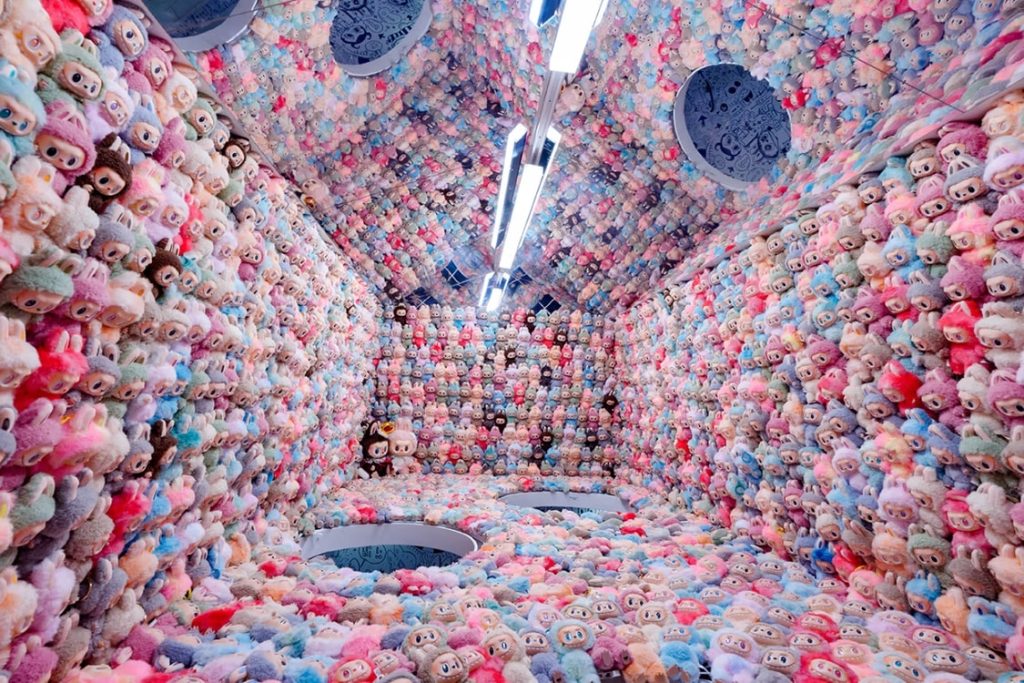
To mark 10 years of The Monsters, artist Kasing Lung brings Labubu and friends to life in a whimsical touring exhibition. ‘MONSTERS BY MONSTERS: NOW AND THEN’ transforms Hong Kong into an enchanted forest of art, memory, and collectible culture.
Marvic Chijioke Okeugo Honored Creative Fine Art Photographer of the Year at La Mode Awards 2025
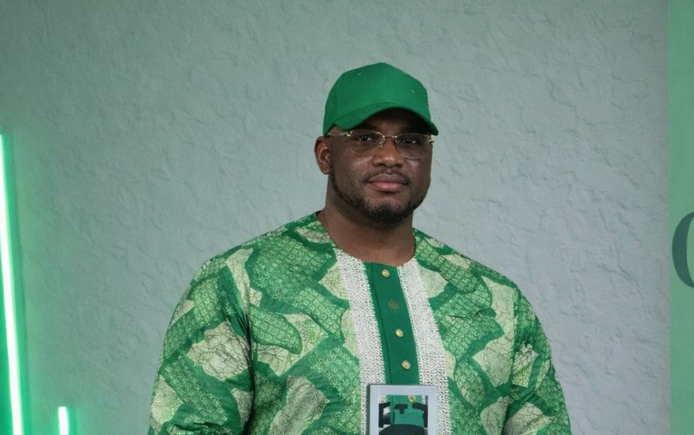
Celebrated visual artist and fine art photographer Marvic Chijioke Okeugo has been officially named Creative Fine Art Photographer of the Year at the prestigious La Mode Awards 2025. The distinguished honor was presented on October 1, 2025, during the iconic Green October Event hosted by La Mode Magazine, held at the luxurious Oriental Hotel Lagos. An integral highlight of the annual Green October Event, the La Mode Awards stand as one of Nigeria’s most influential platforms celebrating excellence across fashion, art, beauty, and the wider creative industry. The 2025 edition, themed “Access for All and Disability Awareness,” powerfully blended style with purpose, spotlighting creatives whose work not only pushes aesthetic boundaries but also champions inclusion, advocacy, and social responsibility. Okeugo’s recognition underscores his profound impact on contemporary fine art photography. Widely acclaimed for his evocative visual language, his work delves deeply into themes of identity, humanity, and social consciousness, distinguished by emotional intensity, refined composition, and a bold artistic vision. Through his lens, photography transcends imagery to become a compelling form of cultural dialogue. Winning Creative Fine Art Photographer of the Year further cements Marvic Chijioke Okeugo’s position as a leading voice in the African art scene. His influence continues to resonate beyond borders, inspiring a new generation of creatives while elevating fine art photography as a vital and respected medium within the global creative landscape. The La Mode Awards 2025 once again reaffirm their role as a premier stage for honoring trailblazers whose work shapes narratives, defines culture, and drives meaningful progress within the creative industry.
Samson Oriyomi Yusuf — Movements
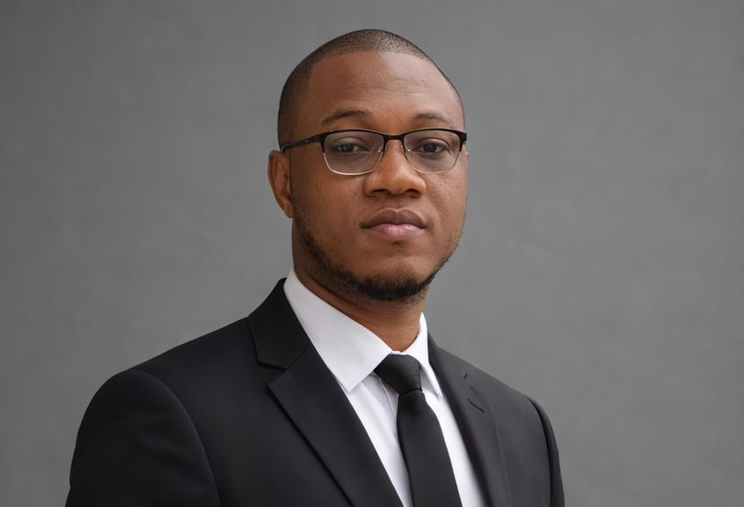
This September, photographer Samson Oriyomi Yusuf presents Movements, a new body of fine art photography opening at CasildART Gallery in London. The exhibition brings together a series of images that examine motion as both subject and metaphor capturing the subtle gestures, shifting environments, and human rhythms that shape everyday life. 22–23 September 2025 at the CasildART Gallery, London, United Kingdom. Working with a quiet but deliberate visual language, Yusuf’s photographs explore the tension between stillness and motion. Figures appear suspended mid-gesture, light drifts across surfaces, and ordinary scenes reveal a sense of quiet transformation. In these images, movement is not only physical; it becomes a reflection of time, change, and lived experience. Yusuf approaches photography as a form of observation attentive to fleeting moments that often pass unnoticed. His compositions draw attention to the choreography of daily life: the rhythm of bodies in motion, the movement of people through spaces, and the subtle shifts that occur between one moment and the next. Rather than presenting movement as spectacle, Movements focuses on its quieter expressions. A turning figure, a blurred passage, a lingering trace of motion each photograph offers a moment where time appears to stretch, inviting viewers to slow their gaze and reconsider the ordinary. Presented at CasildART Gallery, an important London platform for contemporary African and diasporic artistic voices, the exhibition situates Yusuf’s work within broader conversations about identity, migration, and the evolving nature of contemporary visual storytelling. Through these photographs, Yusuf suggests that movement is inseparable from life itself. Our bodies move, our environments shift, and our personal histories unfold through constant transition. Movements reflects on this condition, offering images that hold fragments of time while acknowledging their inevitable passage.
Solo Exhibition by Goodluck Jane
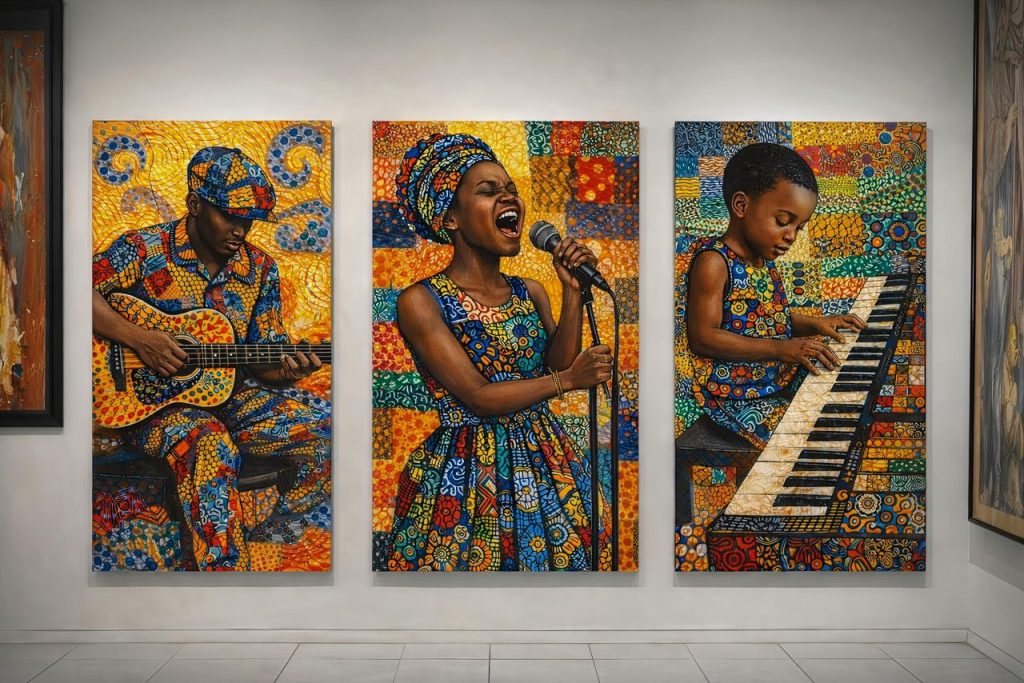
Ankara in Harmony September 8-12,2025 marked a significant moment in Goodluck Jane’s evolving practice, presenting a focused and disciplined exploration of Ankara fabric as a contemporary artistic medium. Hosted at Nike Art Gallery, the exhibition foregrounded material intelligence, balance, and restraint positioning Ankara not as ornament or cultural shorthand, but as a structural force capable of carrying rhythm, form, and meaning. Across the exhibition, Goodluck Jane demonstrated a rigorous approach to composition, carefully negotiating pattern alignment, colour sequencing, spacing, and repetition. Each work revealed a commitment to clarity and resolution, inviting sustained viewing and rewarding attention to detail. Familiar material was transformed through precision and intention, allowing new visual possibilities to emerge without disconnecting from shared cultural histories. The exhibition engaged a broad audience artists, students, collectors, and cultural professionals who responded to its quiet confidence and coherence. Viewers lingered, returned, and entered into organic conversations around material culture, innovation, and the evolving role of African textiles in contemporary art. Rather than relying on spectacle, the exhibition asserted the value of patience, focus, and thoughtful construction. As a solo exhibition, Ankara in Harmony affirmed Goodluck Jane’s voice within contemporary visual practice, demonstrating how inherited materials can be reinterpreted with discipline and sensitivity. It positioned her work within ongoing conversations about heritage, form, and artistic responsibility, reinforcing Ankara’s relevance as a living, adaptable medium for serious artistic inquiry.
Ankara, Reimagined: Goodluck Jane Unveils Ankara in Harmony in Abuja
This September, Ankara steps beyond the familiar and into a new visual language. From September 8–12, 2025, Nike Art Gallery will present Ankara in Harmony, a solo exhibition by contemporary visual artist Goodluck Jane, whose work continues to redefine how African textiles function within contemporary art. Ankara in Harmony is not an exhibition about fabric as fashion or ornament. Instead, it positions Ankara as a disciplined artistic medium capable of structure, rhythm, and narrative depth. Across a carefully curated selection of works, Goodluck Jane transforms a widely recognized textile into a site of visual experimentation, cultural reflection, and compositional precision. At the heart of the exhibition is an attention to balance. Patterns are aligned with intent, colours are sequenced with restraint, and layers are constructed to create harmony rather than excess. Each piece invites the viewer to slow down and observe how repetition, spacing, and form work together to tell stories of identity, memory, and community. The fabric itself becomes a voice quiet in some moments, bold in others but always deliberate. Goodluck Jane’s practice is grounded in a strong understanding of cultural inheritance, paired with rigorous training in design and visual expression. This dual foundation allows her to handle Ankara with both respect and confidence, pushing its possibilities without disconnecting it from its roots. In Ankara in Harmony, familiar materials are reshaped to reflect contemporary sensibilities while remaining unmistakably connected to tradition. The exhibition will be presented with clarity and intention. Works will be generously spaced, allowing each composition to stand on its own while contributing to the exhibition’s overall rhythm. Thoughtful lighting and clear sightlines will highlight texture, colour, and detail, encouraging close looking and quiet reflection. Visitors from students and emerging artists to collectors and cultural professionals will be able to engage deeply with both the technical and conceptual layers of the work. Beyond the gallery walls, Ankara in Harmony opens space for broader conversations. The exhibition invites dialogue around African textiles, material culture, and the evolving role of traditional media in contemporary art practice. By repositioning Ankara as a tool for storytelling and aesthetic refinement, Goodluck Jane challenges viewers to reconsider what familiar materials can communicate in modern visual contexts. Hosting the exhibition in Abuja adds another layer of resonance. As a city shaped by cultural, political, and diplomatic exchange, Abuja offers a diverse audience whose perspectives will enrich discussions around heritage, innovation, and identity. The exhibition is expected to draw wide interest, fostering exchanges that extend from informal conversations in the gallery to deeper professional and educational engagement. Ankara in Harmony also holds strong relevance for art and design students, who will find in the work valuable references for material handling, compositional discipline, and conceptual clarity. Informal interactions between students, artists, and collectors are expected to create opportunities for mentorship and dialogue, expanding the exhibition’s impact beyond visual appreciation. With the institutional support of Nike Art Gallery, the exhibition brings together artist-led vision and professional presentation. The result is a body of work that is formally rigorous, culturally grounded, and visually compelling demonstrating how African textile-based art can occupy a confident place within contemporary gallery spaces. Ultimately, Ankara in Harmony continues Goodluck Jane’s exploration of rhythm, structure, and narrative through African textiles. It offers audiences a chance to encounter Ankara anew not just as fabric, but as a powerful medium for expression, reflection, and cultural continuity.
Fragments of the Unseen: A Resonant Conclusion
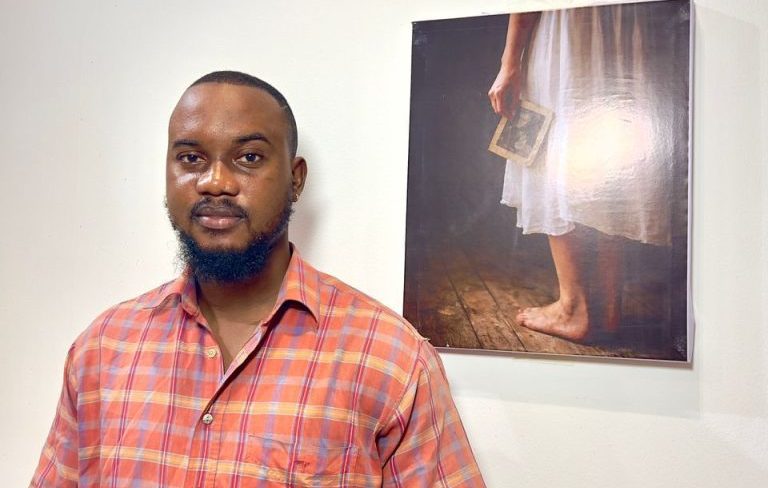
Samson Oriyomi Yusuf’s solo exhibition The Quiet Between Shadows has officially concluded after a compelling seven-day run at Quintessence Gallery in Lagos, from September 12 to 19, 2022. Throughout the week, the exhibition drew collectors, artists, curators, and art lovers who came not only to view the work, but to experience it. Each portrait carried a quiet force an invitation to pause, to look longer, and to sit with the emotions held within the faces on the canvas. The body of work explored stillness with striking clarity. Through carefully controlled lighting and restrained composition, Yusuf allowed shadow and light to shape the emotional presence of each subject. Faces emerged softly from darkness, holding expressions that felt both intimate and powerful. Rather than presenting spectacle, the works offered moments of reflection quiet encounters that stayed with viewers long after they stepped away. Visitors spoke of the deep emotional weight within the paintings. Many described the exhibition as personal and contemplative, noting how the subtle gestures, calm expressions, and deliberate use of shadow created a sense of quiet connection. Several guests returned more than once during the week, drawn back by the reflective atmosphere the works created. Conversations around the exhibition often centered on vulnerability, inner awareness, and the quiet strength found in stillness. The strong turnout and growing interest from collectors marked the exhibition as an important moment in Yusuf’s evolving artistic journey. As The Quiet Between Shadows comes to a close, its resonance remains. The exhibition reaffirmed Samson Oriyomi Yusuf’s commitment to portraiture that goes beyond appearance work rooted in depth, honesty, and emotional truth.