

Orisakwe Emmanuel Chizitere Invites Stillness in “The Quiet Geometry of Being”
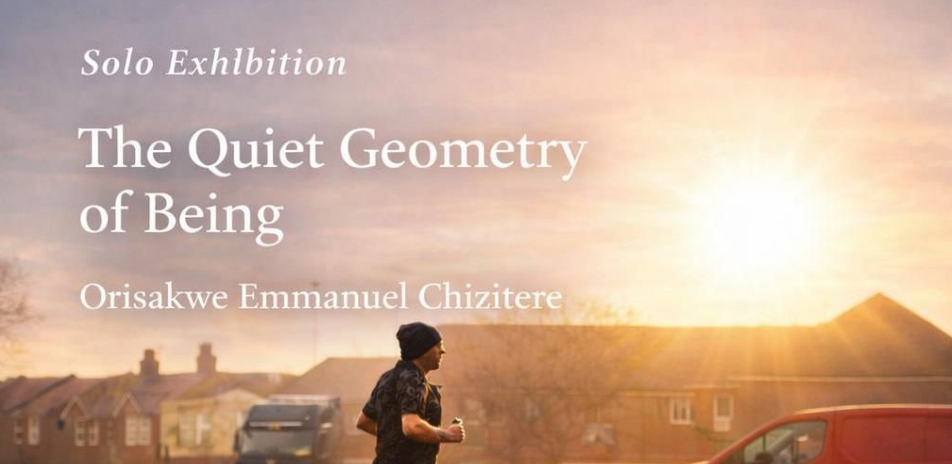
Nigerian photographer Orisakwe Emmanuel Chizitere presents “The Quiet Geometry of Being,” a reflective solo exhibition in London exploring light and stillness.
AFTER THE RAINS: INTERNATIONAL ARTISTS EXPLORE RENEWAL, REFLECTION, AND HUMAN RESILIENCE
Art has always been a powerful way of making sense of the world around us, especially after seasons of uncertainty, change, and transformation. In April 2026, artists from across different cultural and creative backgrounds will come together for After the Rains, a UK-based virtual international group exhibition that explores themes of renewal, healing, memory, resilience, and hope. Hosted virtually from the United Kingdom, and running from April 1 – 30, 2026, the exhibition presents a diverse collection of visual works, each offering a unique perspective on what emerges after life’s storms. Through painting, mixed media, illustration, and contemporary visual expression, participating artists examine the emotional, social, and personal landscapes that follow periods of challenge and transition. Among the featured artists is Orisakwe Emmanuel Chizitere, whose work contributes a distinctive voice to the exhibition’s broader conversation. Through his artistic practice, Emmanuel explores themes that resonate with the exhibition’s central idea, inviting viewers to reflect on growth, transformation, and the beauty that can emerge from difficult experiences. The exhibition brings together an international community of creatives including Agata Henderson, Amanda Lebus, Anthonia Nnenna Ndukauba, Beth Neal, Deborah Abosede Ibeme, Elizabeth Roberts, Erika Loch, Evangelia Hamilton, Georgia Cadden, Georgina Zafeiri, Gurmant Kaur, Hector Geoffrey Dokopoulos Hamilton, Justin James, Kayla Michelle, Lin Ye, Lior Locher, Louise Heaton, Monika Tkaczyk, Mr Bruiser, Obiora Vincent Nwankwo, Paul Durber, Phil Bixby, Sean BW Parker, Sepideh Shagholi, Vans Mead, and Orisakwe Emmanuel Chizitere. Their works differ in style and technique yet remain connected by a shared exploration of renewal, resilience, and the human experience. As a virtual exhibition, After the Rains offers audiences around the world the opportunity to engage with contemporary art without geographical limitations, fostering cultural exchange and meaningful dialogue between artists and viewers from diverse backgrounds. As anticipation builds for the exhibition’s opening, audiences can look forward to engaging with compelling visual narratives that challenge, inspire, and encourage reflection. After the Rains promises to be more than an exhibition; it is a collective meditation on resilience, hope, and the enduring power of art to illuminate life beyond the storm.
”After The Rains” A Virtual Group Exhibition of Contemporary Art and Fine Art Photography

Cista Arts, London, is pleased to present “After The Rains”, a virtual group exhibition running from April 1 to April 30, 2026. This international showcase brings together a diverse group of artists, including fine art photographers and multidisciplinary creatives, exploring themes of renewal, transformation, resilience, and the quiet aftermath of change. Among the exhibiting artists is fine art photographer Deborah Abosede Ibeme, whose work contributes to the exhibition’s reflective and emotive narrative. Rather than a curated project by a single individual, “After The Rains” is an inclusive platform organized by Cista Arts to highlight a wide range of artistic voices and perspectives. The exhibition features works spanning fine art photography, visual art, and experimental practices. Each artist offers a unique interpretation of what it means to emerge, rebuild, and rediscover beauty after periods of turbulence both personal and collective. Participating artists include: As a fully virtual exhibition, “After The Rains” provides a globally accessible experience, allowing audiences to engage with the artworks from anywhere in the world. The digital format enhances interaction while preserving the depth and intimacy of each piece. Organized by Cista Arts, the exhibition reflects the platform’s commitment to supporting contemporary artists across disciplines and creating opportunities for global visibility and connection. Cista Arts is a London based platform dedicated to promoting contemporary art through exhibitions, collaborations, and digital initiatives. The organization supports artists across disciplines, fostering dialogue, innovation, and global engagement.
ORISAKWE EMMANUEL CHIZITERE UNVEILS “IN HER SLEEVES” AT LA MODE GROUP UK’S 100 MOST INFLUENTIAL LEADING AFRICAN WOMEN GALA IN LONDON
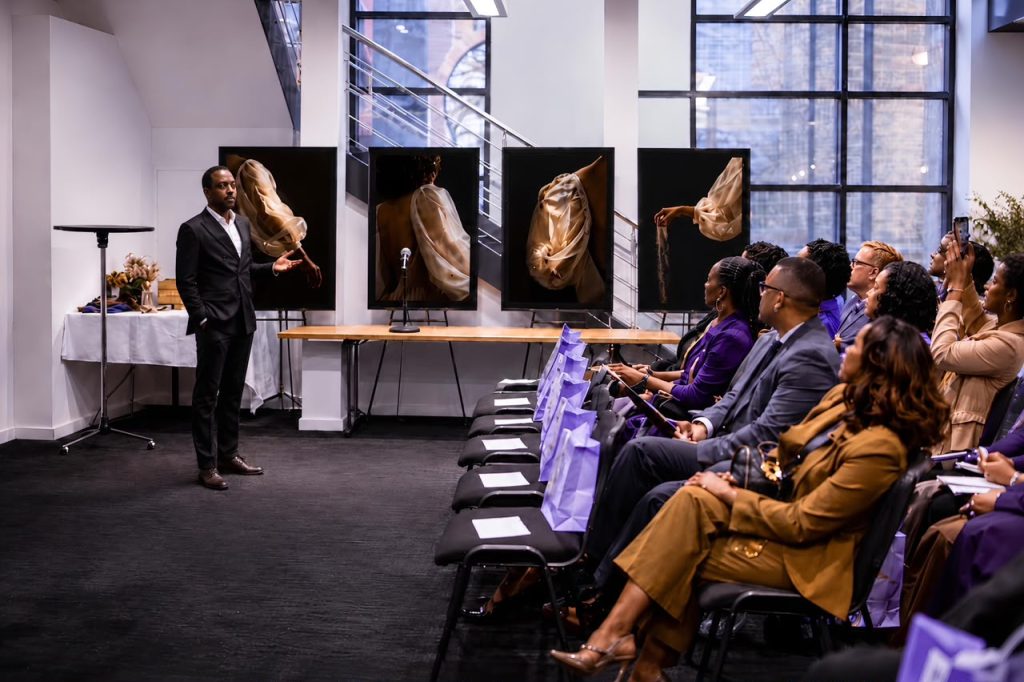
Celebrated Nigerian visual artist and photographer Orisakwe Emmanuel Chizitere made a remarkable artistic statement on International Women’s Day 2026 with the presentation of his acclaimed fine art photography series, “In Her Sleeves,” at the prestigious La Mode Group UK 100 Most Influential Leading African Women Event, held in London on March 8, 2026 at the African Centre Central London . The highly anticipated event brought together an extraordinary gathering of distinguished African women leaders, entrepreneurs, diplomats, creatives, policymakers, and change-makers from across the globe to celebrate excellence, leadership, and the transformative impact of African women on society. As one of the featured artistic highlights of the evening, In Her Sleeves captivated attendees with its sophisticated visual language and powerful symbolism. The exhibition showcased four striking fine art photographic works that explored the often-unseen narratives of womanhood through the poetic representation of sleeves as metaphors for strength, resilience, grace, identity, sacrifice, and empowerment. Presented against elegant black canvases, the artworks transformed fabric into a visual archive of feminine experiences, inviting viewers to reflect on the layers of courage and dignity carried by women throughout their personal and professional journeys. Through meticulous composition, dramatic lighting, and refined aesthetic execution, Chizitere created an immersive artistic dialogue that resonated deeply with the spirit of International Women’s Day. Speaking about the exhibition, Orisakwe Emmanuel Chizitere stated: ”‘In Her Sleeves’ is a tribute to the countless stories women carry—stories of strength, vulnerability, resilience, leadership, and transformation. Presenting this body of work on International Women’s Day and within a platform that celebrates influential African women was both an honor and a meaningful opportunity to contribute to the global conversation on women’s empowerment through art.” Guests at the event praised the collection for its emotional depth and contemporary elegance, with many noting its ability to communicate complex themes of femininity through minimalist yet compelling visual storytelling. The exhibition served as a cultural centerpiece within the evening’s celebrations, reinforcing the vital role of art in documenting, honoring, and amplifying women’s experiences. The La Mode Group UK 100 Most Influential Leading African Women Event has become one of the most respected platforms dedicated to recognizing African women whose leadership and achievements continue to shape industries and communities worldwide. Chizitere’s participation further elevated the event’s commitment to celebrating excellence through both leadership and creative expression. Known for his ability to merge conceptual storytelling with fine art photography, Orisakwe Emmanuel Chizitere continues to establish himself as a significant contemporary voice within African visual arts. His work consistently explores themes of identity, memory, culture, and human experience through evocative imagery that challenges viewers to engage with deeper narratives. The successful presentation of In Her Sleeves in London marks another significant milestone in Chizitere’s artistic journey and underscores the growing international recognition of African contemporary art and photography. Orisakwe Emmanuel Chizitere is a Nigerian visual artist and fine art photographer whose work explores themes of identity, culture, emotion, memory, and social consciousness. Through carefully crafted visual narratives, his photography seeks to create meaningful conversations while celebrating the richness and complexity of human experiences.
Fine Art Photographer Samson Oriyomi Yusuf Featured in the 35th Community Art Exhibition in Virtual Reality
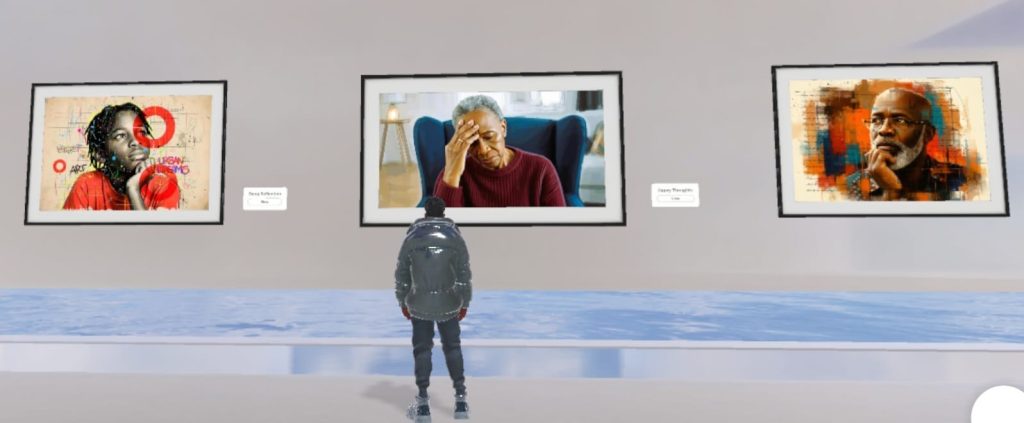
International fine art photographer Samson Oriyomi Yusuf is currently exhibiting his photographic works in the “35th Community Art Exhibition in Virtual Reality,” an innovative global group exhibition organized by Circular Art-space in Bristol, United Kingdom. The exhibition opened on February 26, 2026, and continues to welcome virtual visitors worldwide until March 22, 2026. The exhibition brings together an international selection of contemporary artists, presenting their works within an immersive virtual reality platform that allows audiences to experience art beyond the boundaries of physical galleries. This forward-thinking exhibition model reflects the evolving landscape of contemporary art presentation and digital engagement. Among the featured artists is Samson Oriyomi Yusuf, whose fine art photography contributes a compelling visual narrative to the exhibition. His work reflects a thoughtful exploration of artistic expression through photography, highlighting themes of creativity, visual storytelling, and conceptual interpretation. Yusuf’s participation reinforces the growing impact of photographic art within global contemporary exhibitions. The 35th Community Art Exhibition in Virtual Reality showcases works by an international group of artists including Mia Banks, Katie Butler, Olga Chekmazova, Francis Chukwuneye, Tessa Coe, Elisabeta Carmen Erdos, P. Franciulli, TG Freeson, Lisa Goddard, Christina Godley, L.C. Hess, Carys Lacey, Savana Mitchell, Nukleopatra, Samson Ojeifo, Lucy Rendle, Bryn Richards, Dey Roper, Aloise Sauthier, and Samson Oriyomi Yusuf. By bringing together artists from diverse creative backgrounds, the exhibition celebrates artistic collaboration and cultural dialogue while offering audiences a dynamic digital space to discover contemporary artworks. Circular Art-space continues its mission of supporting emerging and established artists by providing accessible platforms that connect global audiences with contemporary art practices. The exhibition remains open to the public in its virtual format until March 22, 2026, allowing art enthusiasts, collectors, and cultural audiences worldwide to explore the works online.
Ken Nwadiogbu Wins 2026 Young Generation Art Award

Nigerian artist Ken Nwadiogbu wins the 2026 Young Generation Art Award, earning €10,000 and a solo show at Frieze London.
Orisakwe Emmanuel Chizitere to Present Artwork Storytelling at La Mode 100 Women 2026 Gala

Artist Orisakwe Emmanuel Chizitere will deliver an immersive artwork storytelling experience at the La Mode 100 Most Influential Leading Women in Africa 2026 gala in London.
Samson Oriyomi Yusuf to Feature at La Mode 100 Most Influential Leading Women in Africa 2026 Gala in London
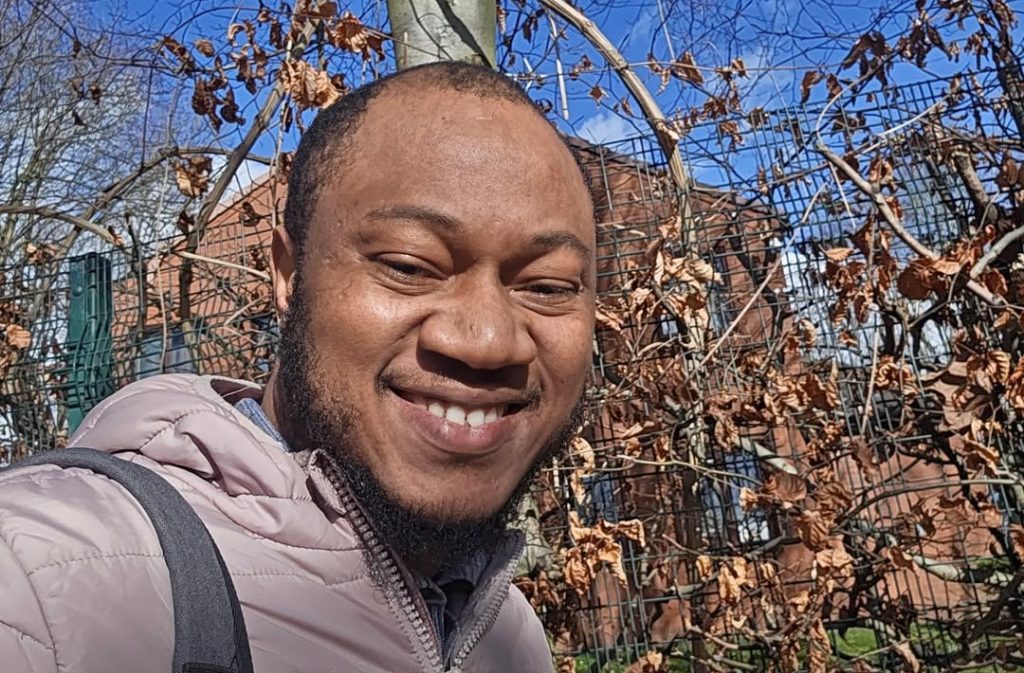
Multidisciplinary artist Samson Oriyomi Yusuf will present a fine art showcase at the La Mode 100 Most Influential Leading Women in Africa 2026 gala in London this March 8.
Must-See Black Art Exhibitions Celebrating Diasporic Creativity and Identity
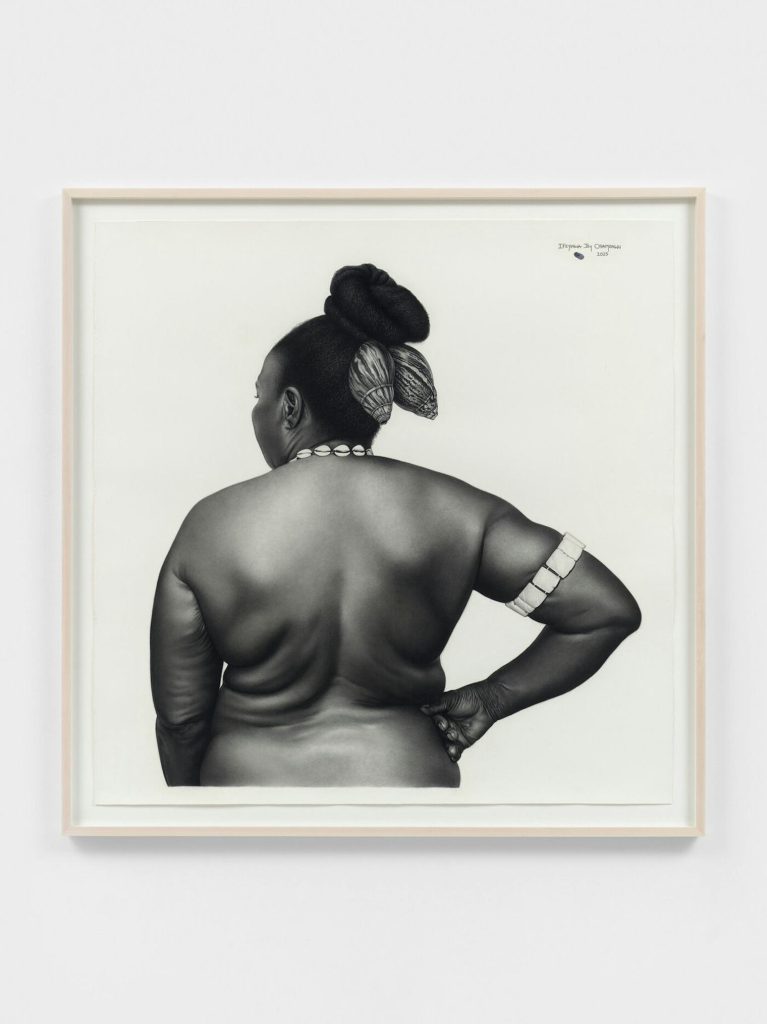
Discover major exhibitions by Ifeyinwa Joy Chiamonwu, Firelei Báez, and Shani Crowe highlighting the depth and diversity of Black artistic expression worldwide.
Inside Konstantina Krikzoni’s ARMATURA Exhibition in Geneva
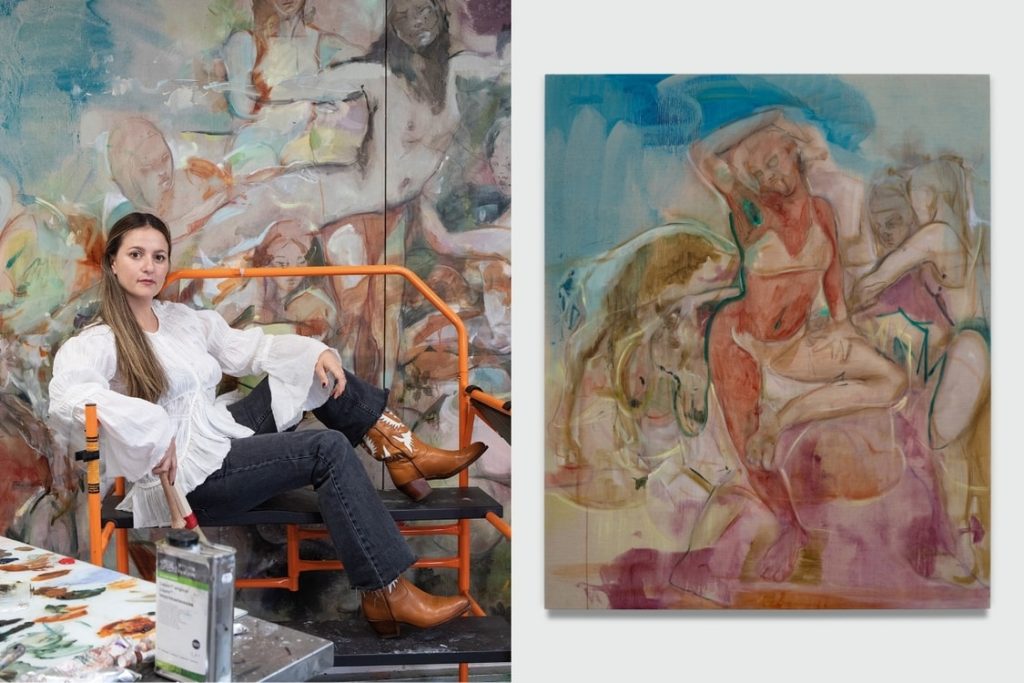
Konstantina Krikzoni’s ARMATURA at L’Appartement Gallery explores femininity, endurance and confrontation through powerful abstract figurative painting.