

Must-See Black Art Exhibitions Celebrating Diasporic Creativity and Identity
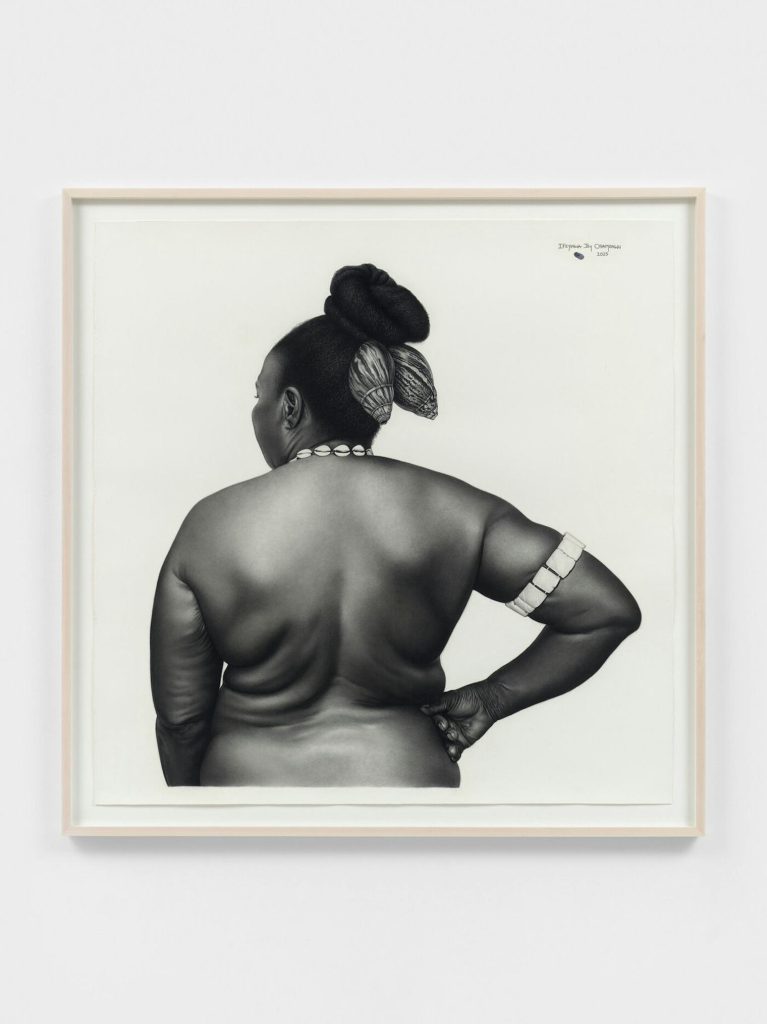
Discover major exhibitions by Ifeyinwa Joy Chiamonwu, Firelei Báez, and Shani Crowe highlighting the depth and diversity of Black artistic expression worldwide.
Bad Bunny Makes Super Bowl History With First All-Spanish Halftime Show
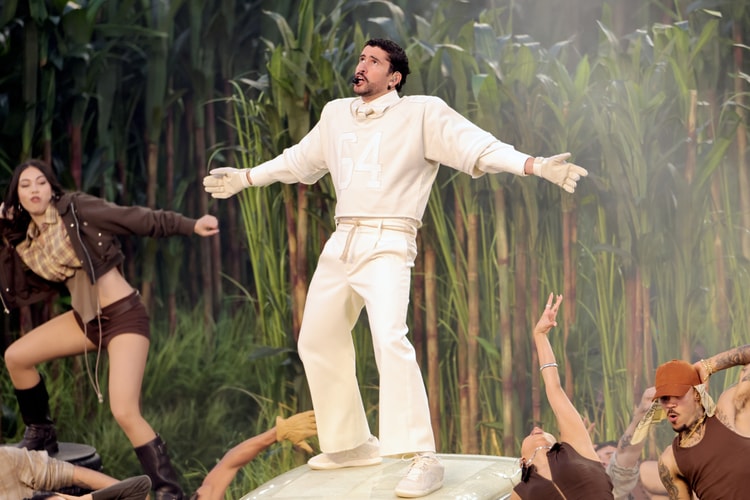
Bad Bunny’s Super Bowl halftime show was more than a performance, it was a cultural declaration broadcast to one of the largest global audiences in entertainment. Last night, Benito Antonio Martínez Ocasio, known worldwide as Bad Bunny, delivered one of the most historic halftime shows to date, becoming the first male solo Latin artist to headline the Super Bowl and the first performer to deliver an entire set in Spanish. In doing so, he transformed the stage into a vibrant tribute to Puerto Rican heritage, centering the performance on identity, language and cultural pride. The production leaned heavily into symbolism. A traditional casita, a garita inspired by the fortresses of Old San Juan, and energetic Bomba dancers anchored the visual narrative, grounding the spectacle in Caribbean tradition while maintaining the cinematic scale expected of the halftime stage. Surprise appearances from Cardi B, Lady Gaga, Karol G, Pedro Pascal, and Jessica Alba heightened the sense of global crossover, reinforcing the moment’s cultural reach. Fashion, as always, played a critical role in storytelling. Lady Gaga appeared in a custom blue pleated ruffle dress by Luar, designed by Dominican-American designer Raul Lopez and finished with a flor de maga brooch, Puerto Rico’s national flower, a subtle yet powerful detail. Dancers wore knit designs by Puerto Rican designer Jomary Segarra, spotlighting regional creative talent on one of the world’s most visible platforms. Bad Bunny’s own wardrobe choice delivered perhaps the evening’s most unexpected statement. Rather than opting for a traditional luxury house, the star wore an all-white Zara look, featuring a cropped jersey and rope-tied trousers. The decision underscored his long-standing ability to merge accessibility with cultural symbolism, suggesting that the message of unity and representation mattered more than prestige branding. Whether hinting at a future collaboration or simply choosing relatability for a global audience, the look reinforced his reputation as an artist who consistently bridges the gap between high fashion, streetwear, and cultural storytelling. The result was a halftime performance that felt less like a singular concert moment and more like a milestone in the global visibility of Spanish-language music, one that confirmed Bad Bunny’s position not only as a chart-topping star but as a defining cultural force of his generation.
Tesglam Sets Guinness World Record With 146-Hour Makeup Marathon in Lagos
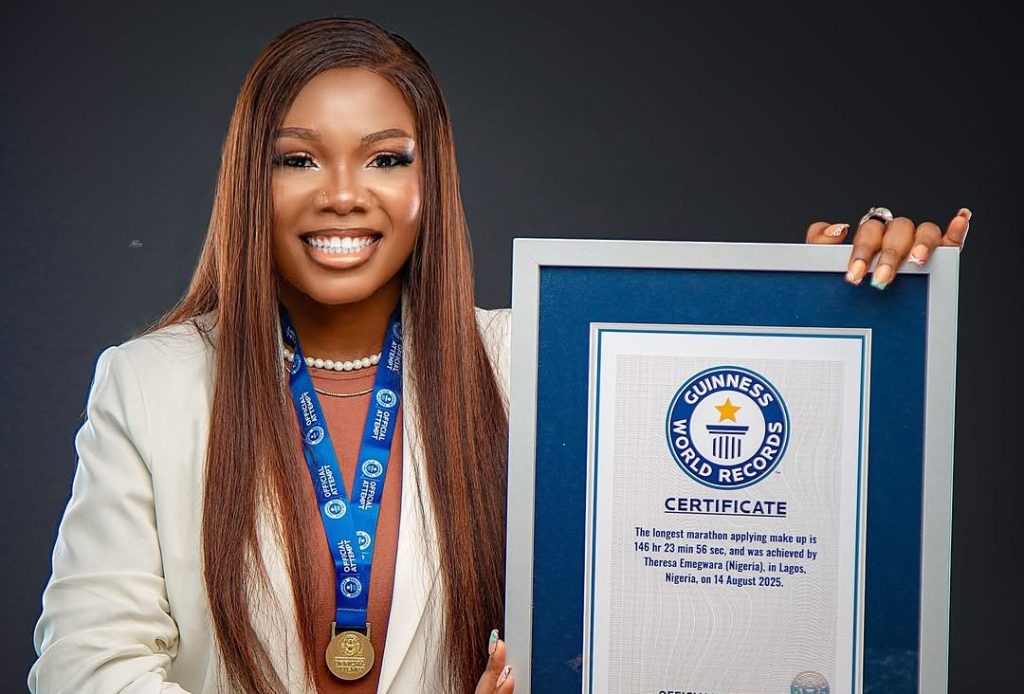
Nigerian makeup artist Tesglam (Theresa Emegwara) earns Guinness World Records confirmation after completing a 146-hour continuous makeup marathon in Lagos, surpassing the previous global record.
Funke Akindele’s Behind The Scenes Hits ₦1.1bn In 19 days
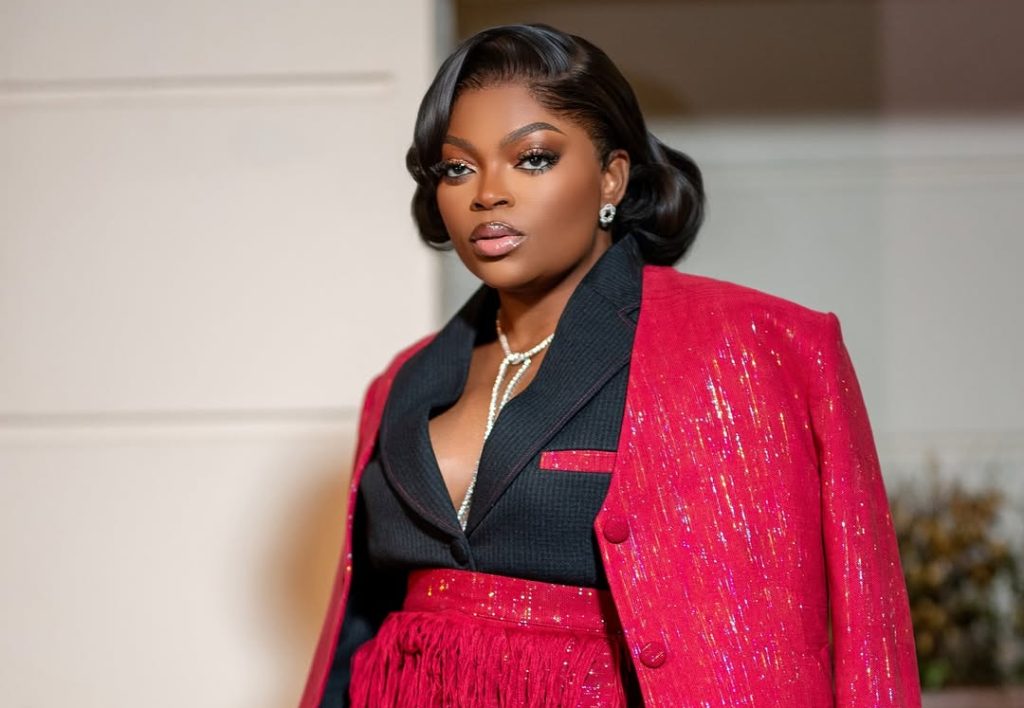
Funke Akindele’s Behind The Scenes hits ₦1.1bn in 19 days, becoming the fastest film in West African history to cross ₦1bn.
Wicked: For Good Trailer Leaves Fans Weeping as Ariana Grande & Cynthia Erivo Take Center Stage
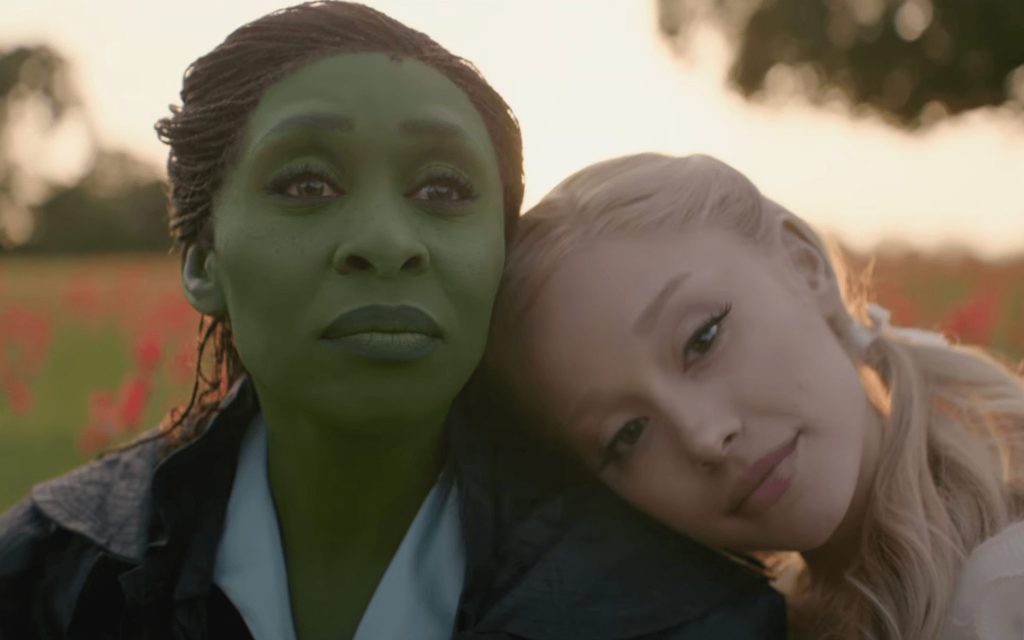
Warning: tears ahead. It’s barely been a minute since Wicked: Part One wrapped, and already Wicked: For Good is back to ruin everyone’s mascara — and by ruin, we mean absolutely decimate. The new trailer dropped during this year’s CinemaCon, and if you weren’t sobbing by the time Ariana Grande sang “For Good,” are you even alive? No, seriously. One fan commented, “As soon as Ariana started singing ‘For Good,’ the tears started pouring.” Another added bluntly, “I just watched the Wicked: For Good trailer. I’m crying.” And clearly, it’s not just a few emotional Glindas — the trailer racked up 113 million views in 24 hours, outpacing the first film’s teaser (which only had a casual 75 million). The trailer, introduced by stars Cynthia Erivo (Elphaba) and Ariana Grande (Glinda), teases even deeper transformations ahead. According to USA Today, Ariana described Glinda’s glow-up as being about more than just sparkle: “She has to look at her reflection to figure out what it means to be Glinda the Good.” Meanwhile, Cynthia’s Elphaba is entering her exiled era — learning how to use her powers for good while society still fears her. Producer Marc Platt also teased that we’ll be getting “more complexity” from both witches — and honestly, we’re ready for it. Morally gray icons only, please. Joining the duo for round two are Jonathan Bailey as Fiyero, Michelle Yeoh as Madame Morrible, Jeff Goldblum as the Wizard, and Ethan Slater as Boq. (Yes, the one.) Wicked Part 2 is scheduled to premiere November 21, 2025 in the U.S., so there’s still time to rewatch Part 1, preorder waterproof eyeliner, and prepare your heart. In the meantime, revisit Ariana’s emotional backstage memory when she admitted she was “halfway done” filming the two-part franchise. That half is behind her now — and the tears? They’re just getting started.
Ojude Oba 2025: When Ijebu Ode Turns the Streets Into a Fashion Extravaganza
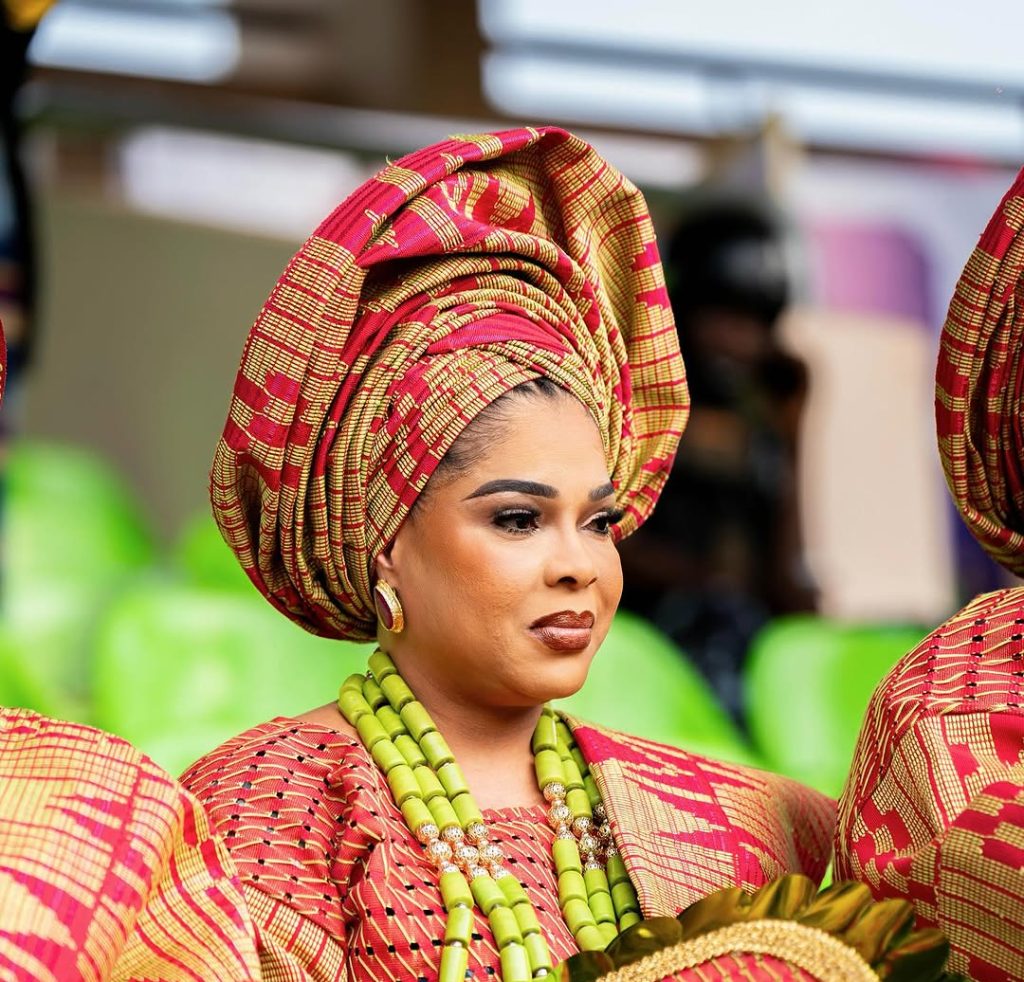
If your heart beats for fashion, family, and full-on glamour, then Ojude Oba in Ijebu Ode was the ultimate destination this year. Imagine a city drenched in every colour imaginable — like the entire rainbow dialled up to eleven — and you’ll start to grasp the magic that unfolded. More than just a style showcase (though there was plenty of that), Ojude Oba is a cultural heartbeat for the people of Ijebu Ode. It’s where history, heritage, and personal flair blend into one unforgettable celebration. At the core of the festivities are the regberegbe — age-grade groups — who gather in impeccable coordination to honour the town’s revered monarch, the Awujale of Ijebuland. And oh, did they come prepared. This year, the groups transformed the streets into their personal runway. Some rode in on horses, carrying forward generations of equestrian tradition, while others sauntered like they owned the red carpet. The women dazzled in traditional buba and iro crafted from lace, aso-oke, adire, brocade, and damask fabrics. But the real showstopper was the styling: shoes perfectly matched geles, geles coordinated with purses, and purses harmonised with jewellery — some groups even wore identical accessories, down to the very last detail. The men followed suit in majestic agbadas in bold hues, their caps perched just so. Coral beads adorned their necks, wrists, and ankles, while walking sticks emerged as the season’s must-have accessory. Just when you thought the style party couldn’t get any more exciting, the sunglasses made their entrance — oversized, vibrant, retro, sporty — there was no shortage of statement shades on the streets. Simply put: Ojude Oba 2025 was a fashion moment for the books. Naturally, BellaNaija was on the scene to capture every breathtaking detail. Scroll down to soak in the best moments. Photo Credits: The Jovial Photographer/Instagram Photo Credits: Niyi Fagbemi/Instagram
Ojude Oba 2025: Inside Nigeria’s Most Fashion-Forward Cultural Festival

Every year, just after Eid al-Kabir, the town of Ijebu-Ode sheds its everyday skin and emerges as a dazzling theatre of culture, colour, and couture. Welcome to Ojude Oba—Nigeria’s most photogenic, fashion-forward, and culturally immersive festival. It’s more than a spectacle. It’s a homecoming. It’s a history lesson in motion. It’s Met Gala meets Yoruba heritage—with agbadas, horses, and a thunderous beat of tradition. Where It All Began Long before Ojude Oba became a trending topic on social media or a fashion editor’s dream, it began as an act of gratitude. In the 19th century, newly converted Muslims in Ijebu-Ode, led by Imam Tunwatoba, paid homage to the Awujale—Oba Ademuyewo Afidipotemole—for his religious tolerance. What started as a small, devout gesture has since evolved into one of West Africa’s most iconic cultural exports. Today, Ojude Oba is not just a tradition—it’s a cultural manifesto. A living, breathing expression of Ijebu identity and Yoruba grandeur. What Makes It Unmissable? The Regberegbe Renaissance First up, meet the Regberegbe groups—age-grade collectives of Ijebu sons and daughters who don’t just show up; they show out. Think perfectly choreographed fashion moments, with each group debuting custom-made outfits that fuse tradition with contemporary flair. No repeats, ever. From Sanyan silks to Adire motifs, this is textile storytelling at its finest. The Balogun Spectacle Then come the Balogun families, descendants of ancient Ijebu warriors. Their arrival is a full-blown dramatic entrance: gun salutes, rhythmic chants, and horses dressed more opulently than most red carpet attendees. It’s power, pageantry, and pride in full gallop. The Fashion Archive That Walks Each year’s edition creates a visual archive of style—new fabrics, silhouettes, and accessories that reflect not only fashion evolution but also socio-political currents. From Aso Oke revived with Swarovski embellishments to Adire printed with political symbols, every outfit tells a story. What to Expect at Ojude Oba 2025 If you thought 2024’s edition broke the internet (cue Farooq Oreagba’s now-iconic look), prepare yourself—2025 is set to go even harder. Expect: From cultural scholars to TikTok style analysts, everyone will be tuned in. Final Word Ojude Oba isn’t just a festival—it’s a statement. A declaration that Nigerian culture is alive, luxurious, and unapologetically stylish. In a world where many traditions are shrinking, Ojude Oba is doing the exact opposite: it’s expanding, evolving, and getting more glamorous by the year. So, whether you’re going live from Ijebu-Ode or watching the hashtags roll in, one thing is clear: In the kingdom of cultural fashion, Ojude Oba reigns supreme.