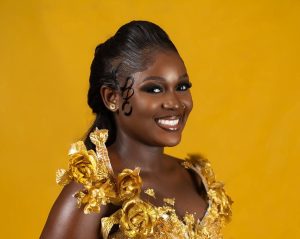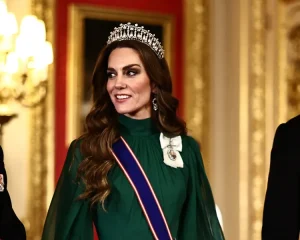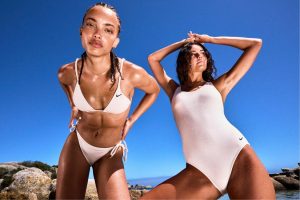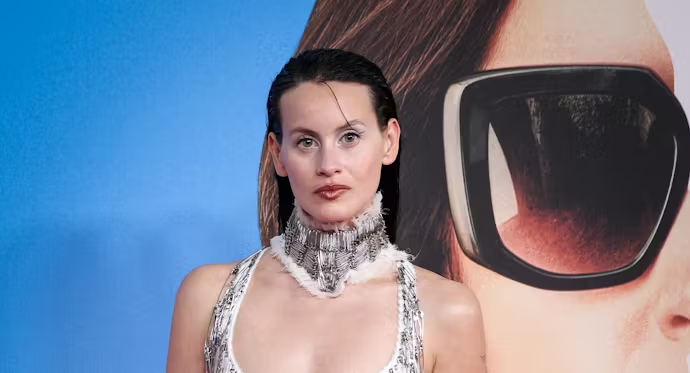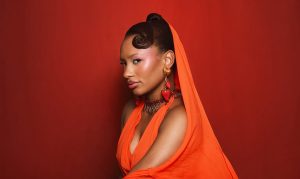
Everyone who knows the rhythm of fashion weeks will tell you that New York isn’t just about the runway — it’s about the streets. The pavements outside Spring Studios and the shows are their own catwalks, where editors, influencers, and tastemakers make just as much of a statement as the designers inside. This season, one truth became undeniable: Nigerians didn’t just attend New York Fashion Week, they owned it, bringing a fusion of culture, craftsmanship, and confidence that was impossible to ignore.
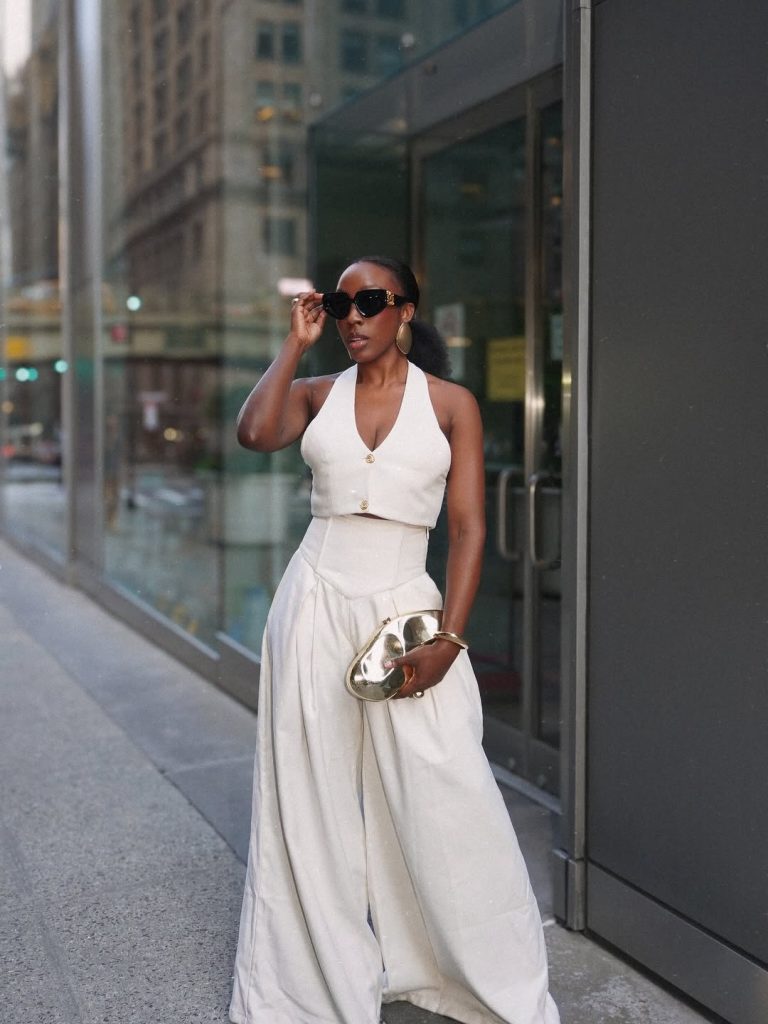
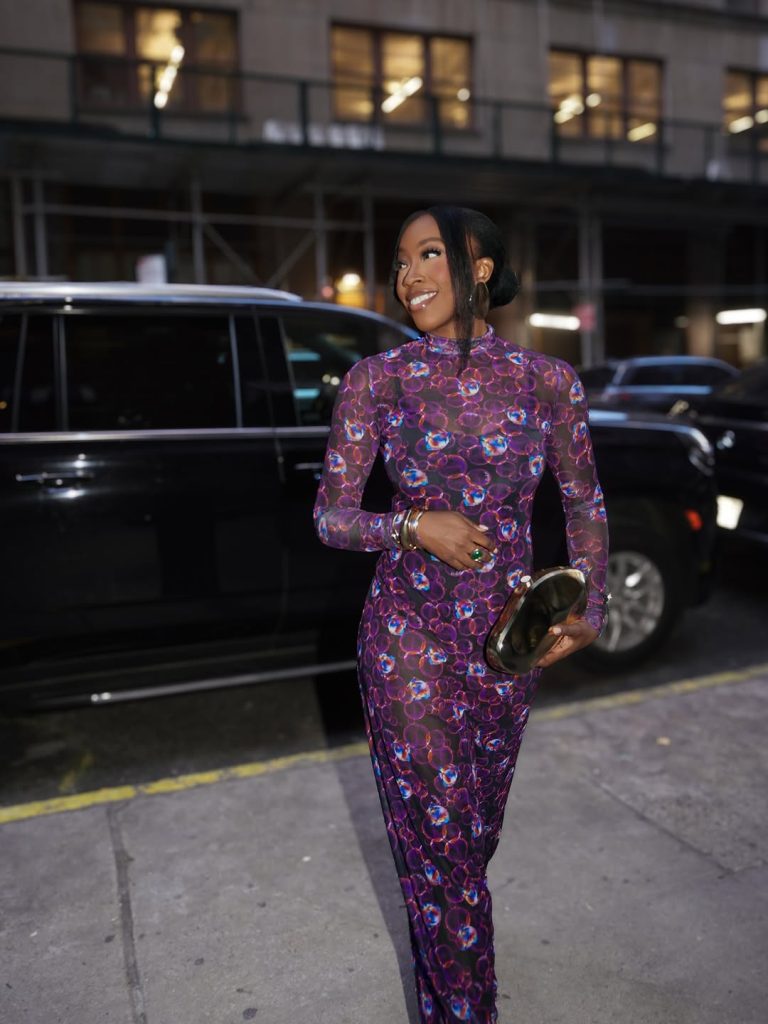
There was Beverly Naya, who gave us double the fashion moments. First, she stepped out in Kilentar, a Lagos-based brand known for its modern yet deeply rooted take on African aesthetics. The look was bold, architectural, and immediately identifiable as Nigerian excellence. Later in the week, she switched gears into a Banke Kuku ensemble — silky, fluid, and printed with the kind of artistry that has made Banke one of the most coveted names in luxury loungewear and ready-to-wear. Two very different outfits, both proving Beverly’s mastery at balancing drama with elegance.
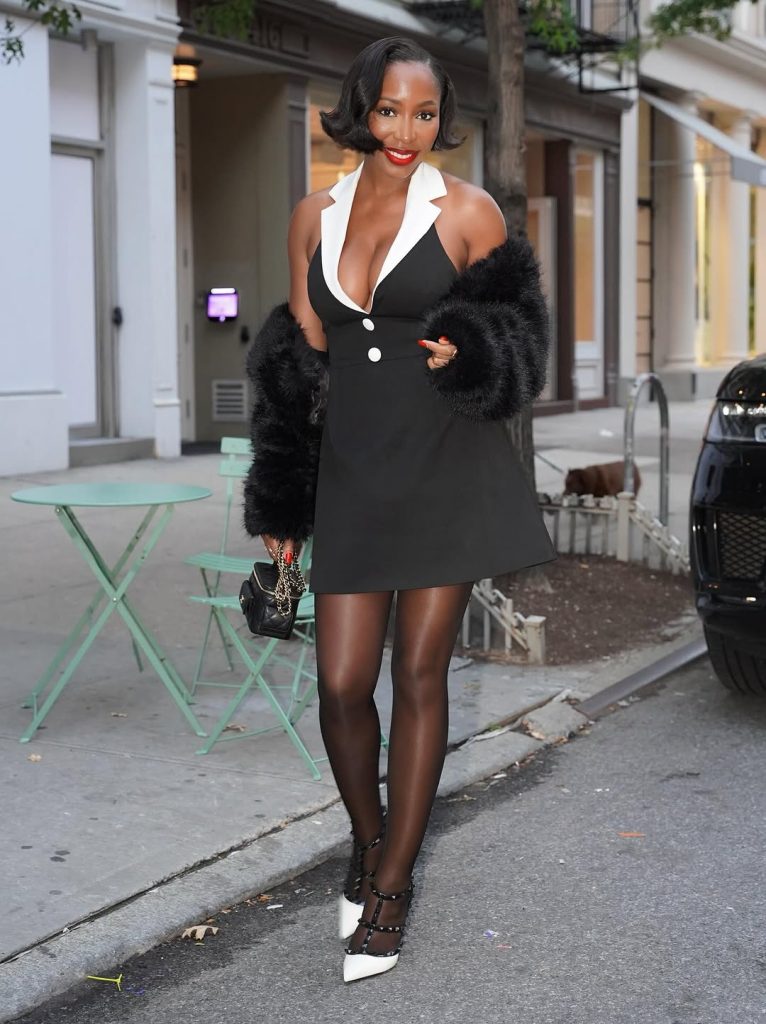
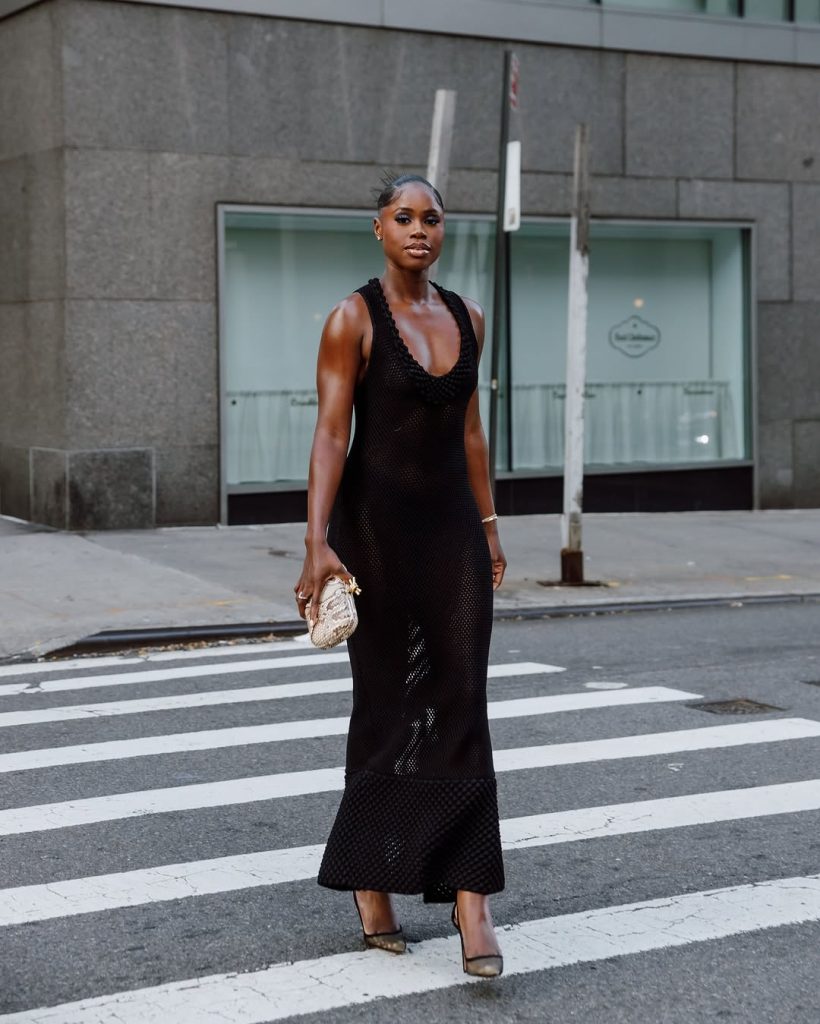
Chinyere Chi-Chi Adogu also made her mark, embodying the playful edge that NYFW street style thrives on — youthful but polished, vibrant without veering into chaos. Then came Eni Popoola, who brought a distinctly elevated minimalism, the kind that whispers luxury instead of shouting it, proving that subtle statements can still capture the lens of every street-style photographer in a five-block radius.
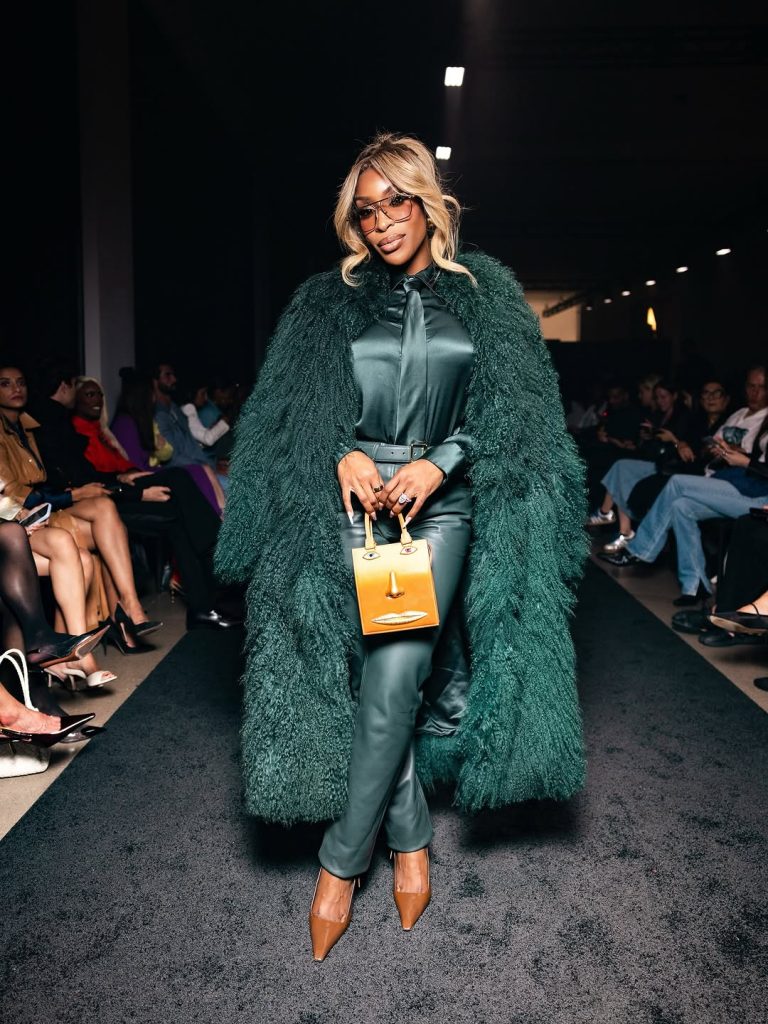
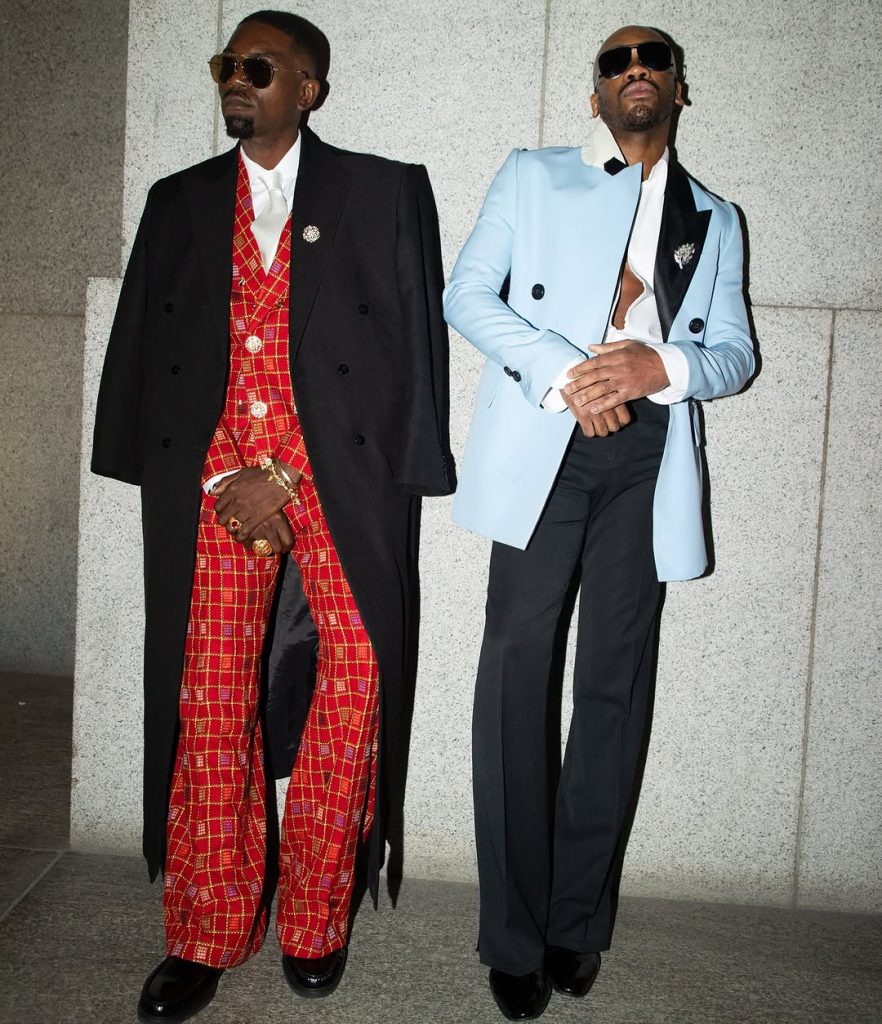
Meanwhile, Jackie Aina — beauty entrepreneur, YouTuber, and style powerhouse — showed that her influence extends far beyond makeup tutorials. She delivered looks that carried her signature mix of glamour and intention, effortlessly holding her own among the fashion insiders. And let’s not forget Ugo Mozie, the Nigerian-American creative director and stylist whose presence alone commands attention. His take on streetwear tailoring, always sharp and forward-thinking, was a reminder of why he’s considered one of the most important voices in contemporary Black fashion.
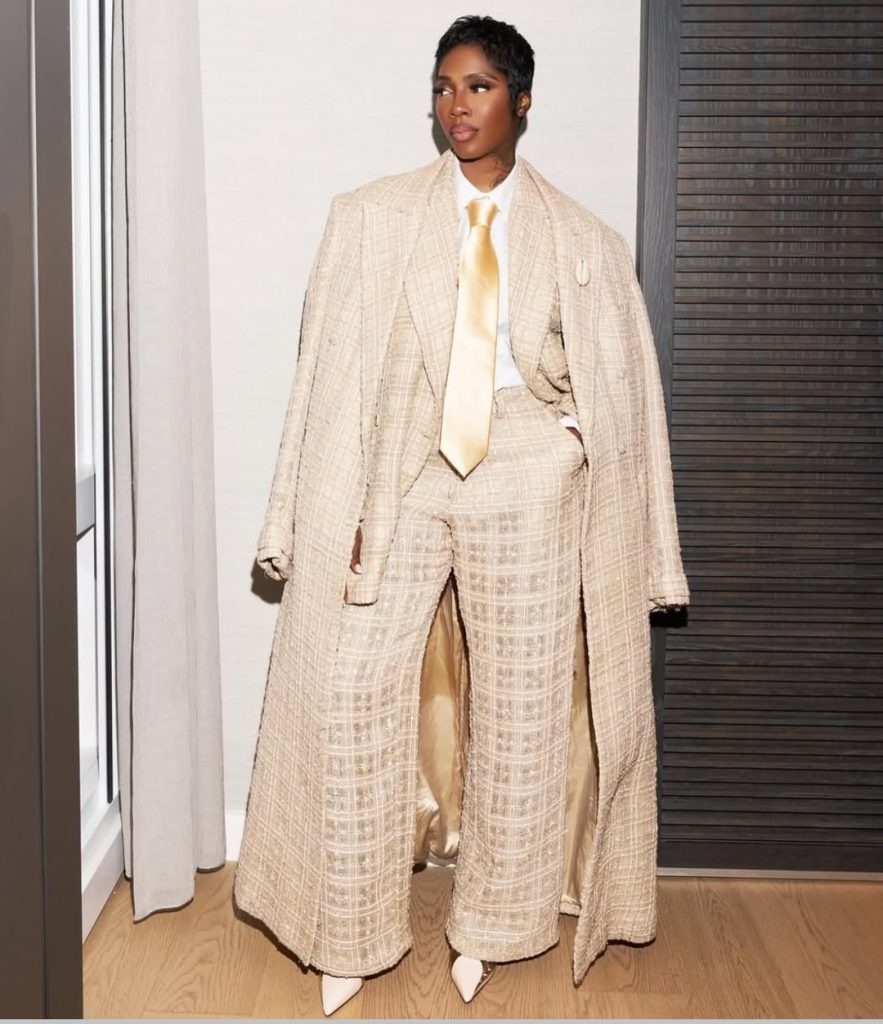
And then came Tiwa Savage, who brought global star power into the mix in Eleven Sixteen. The singer’s look married contemporary sleekness with cultural undertones, reminding us that Nigerian artistry isn’t confined to one lane — it’s as versatile and boundary-pushing as the global icons who wear it.