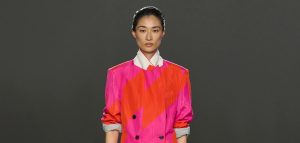
A nostalgic neckline returns with a modern sense of irony.
If you spent any part of the early 2010s scrolling through Tumblr, fashion’s current mood might feel like either a fever dream or a homecoming. The twee aesthetic once defined by earnest whimsy and vintage charm — is quietly resurfacing in 2026. But this time, it arrives with a sharper sense of self-awareness. Rather than simply repeating the past, fashion is reframing it. After cycles dominated by ’90s minimalism and Y2K maximalism, the return of indie sleaze and hipster-era styling signals a broader shift toward what many are calling millennial optimism. And perhaps no detail captures that revival better than the return of the Peter Pan collar.
How the past saw it
The rounded collar has long existed at the intersection of innocence and reinvention. Its name traces back to the stage costume worn by Maude Adams in the early 1900s production of Peter Pan. The flat, rounded neckline quickly gained popularity as a softer alternative to the rigid collars that dominated formalwear at the time.
Across decades, the silhouette reappeared whenever fashion leaned toward romance or subtle rebellion. It surfaced in mid-century formalwear and played a role in the polished yet playful spirit of 1960s mod fashion. Later, the detail took on an ironic tone during the 1990s Riot Grrrl movement, where sweetness was reinterpreted through a more defiant lens.
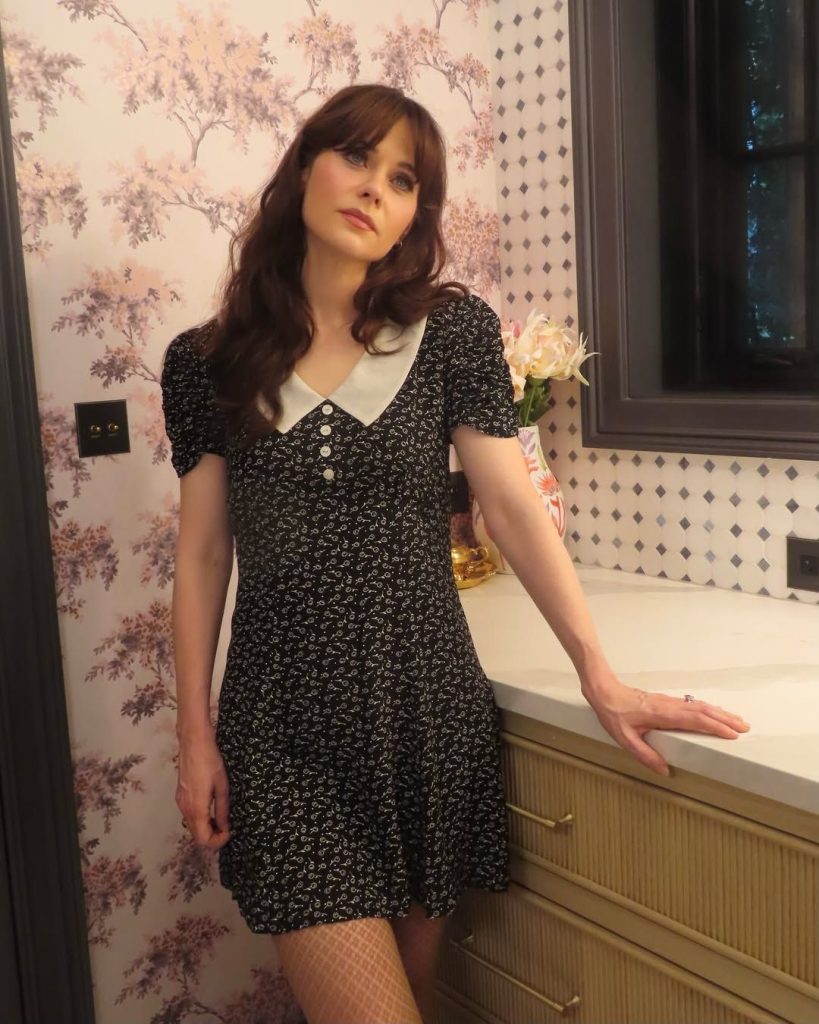
Long before the Tumblr era, style icons such as Audrey Hepburn and Sharon Tate embraced the silhouette, helping cement its place as a recurring classic in fashion history.
By the late 2000s and early 2010s, however, the collar reached peak cultural visibility. It became shorthand for a particular aesthetic identity: bookish, whimsical, slightly awkward and deliberately anti-glamour. Zooey Deschanel’s wardrobe in the TV series New Girl crystallised its association with adorkable femininity. Meanwhile, shows like Gossip Girl and Glee helped turn it into a visual marker of a pre-algorithm era when personal style often felt more tied to subculture than social media virality.
Soon the rounded neckline dominated Pinterest mood boards and indie fashion blogs. It became a signature of the era’s “Indie Darling” circuit, worn by figures such as Emma Watson, Lily Collins, Emma Stone and Alexa Chung. Even pop music joined the moment during the 1989 era, Taylor Swift frequently incorporated the collar into her off-duty wardrobe, bridging the gap between accessible high-street fashion and aspirational prep.
The Peter Pan collar in 2026
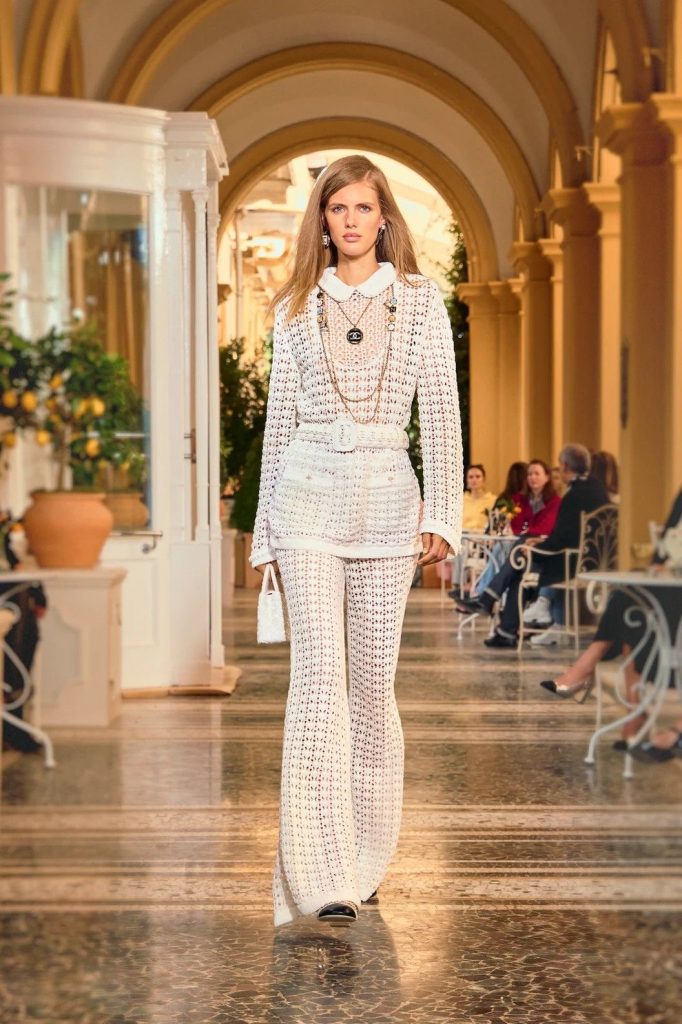
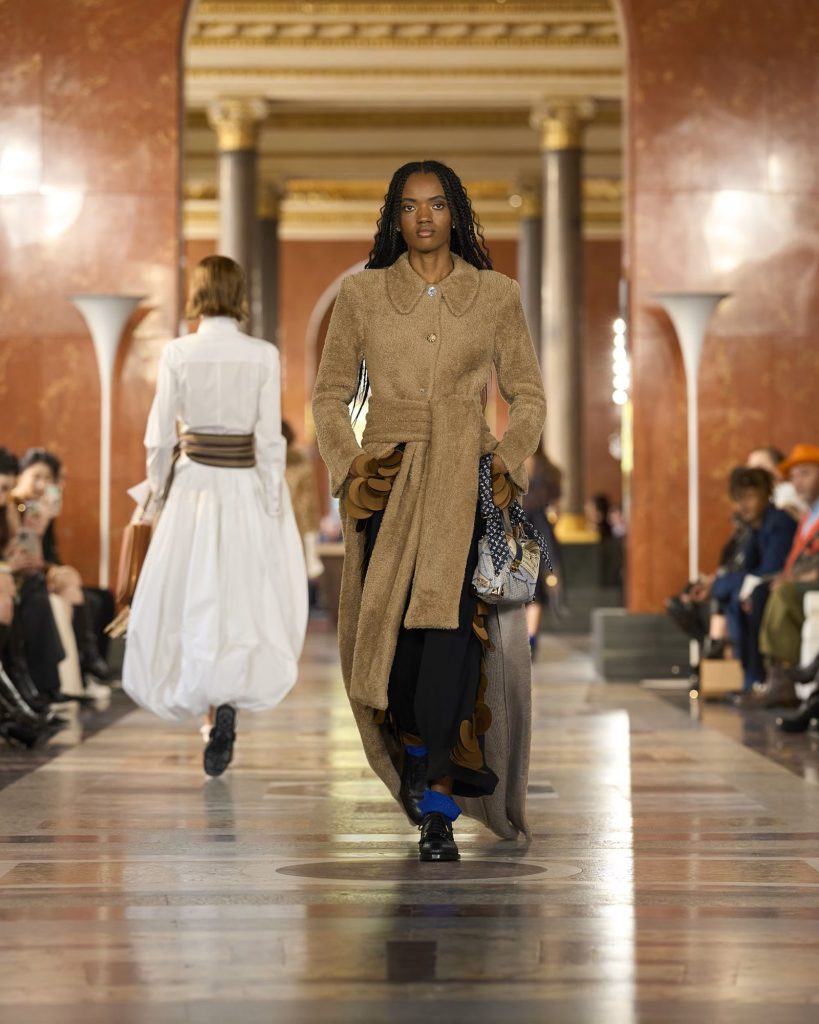
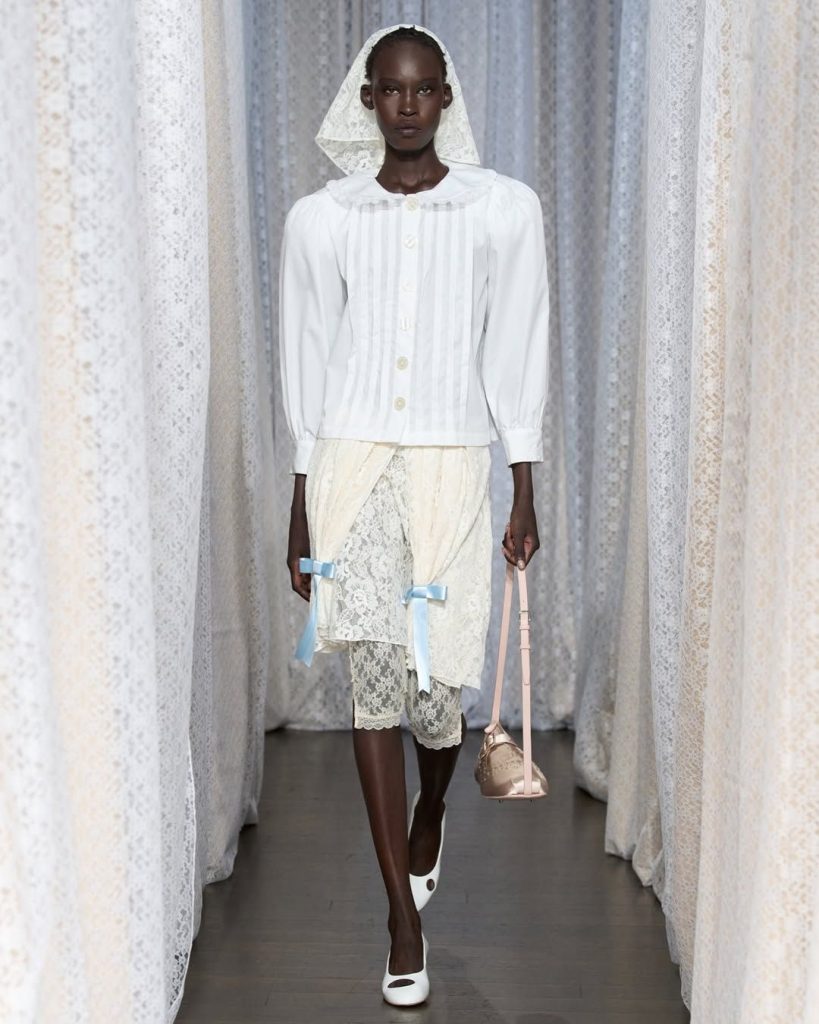
On today’s runways, the silhouette has once again resurfaced though in a more versatile and contemporary form. Chanel revisited the detail through its signature tweed jackets and delicate crochet knits, while Prada leaned into crisp architectural shirting. Designers including Sandy Liang and Louis Vuitton explored its romantic potential through babydoll silhouettes and structured outerwear, while Miu Miu and Tory Burch translated the neckline into everyday shirts and casual tailoring.
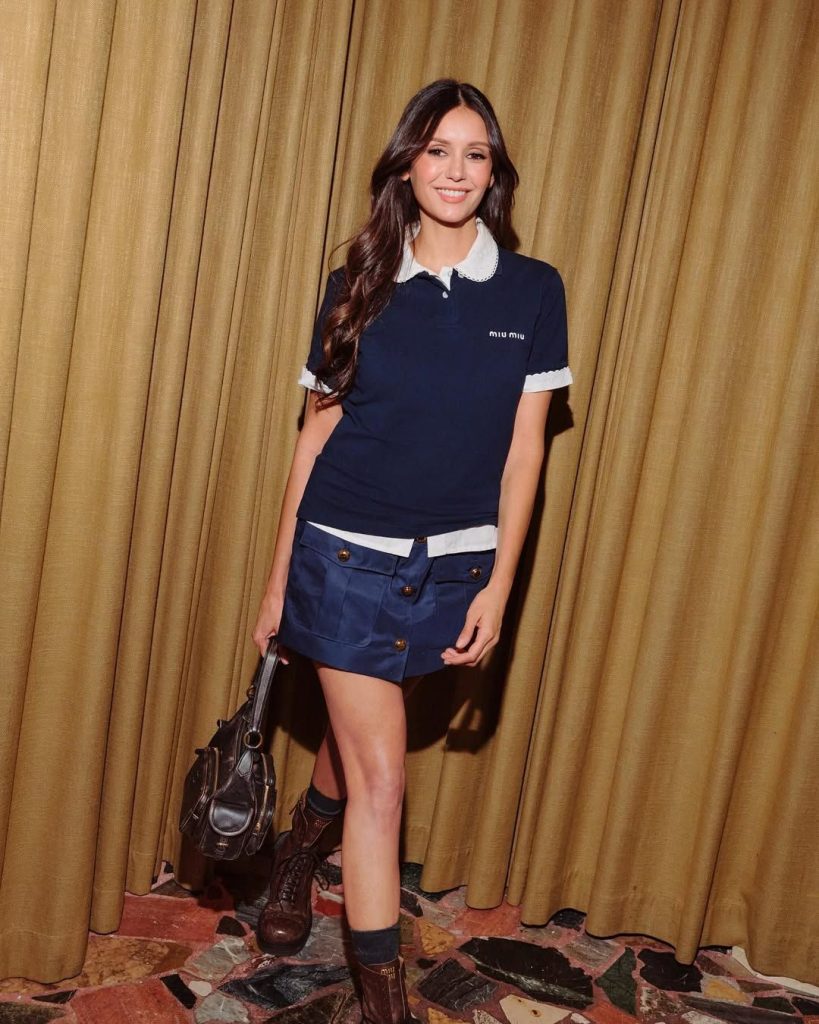
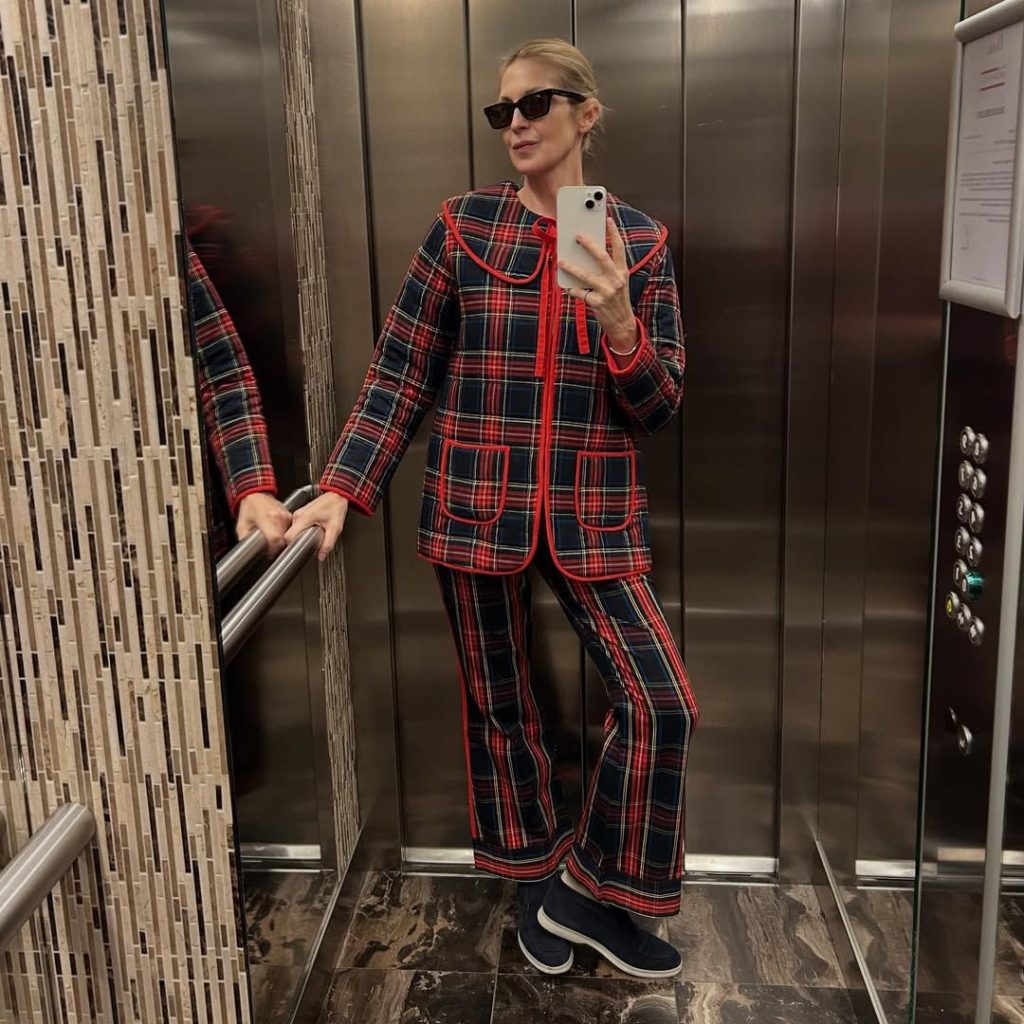
A new generation of tastemakers is also reshaping its identity. Artists like Olivia Rodrigo and Halsey add a subtle rock-and-roll edge to the collar, while models such as Barbara Palvin lean into its softer, more ethereal appeal. Influencers including Emma Chamberlain and Kelly Rutherford demonstrate how the neckline can shift effortlessly between youthful experimentation and refined polish.
Styling the Peter Pan collar in 2026 often works best with restraint. The neckline naturally stands out when the rest of the outfit remains minimal. It layers effortlessly beneath blazers, knits and jackets, or pairs neatly with pleated skirts, straight-leg denim and relaxed trousers. Neutral tones and soft pastels tend to complement the look most naturally, while fabrics like poplin, cotton and silk blends maintain its delicate, feminine character.
The renewed interest in the silhouette may also reflect a broader cultural shift. In uncertain times, fashion often gravitates toward nostalgia, small visual reminders of simpler eras. The Peter Pan collar carries a sense of childlike optimism, offering a gentle escape through style. Designers and wearers alike are pulling from those familiar references but reshaping them to feel current.
Ultimately, adaptation is what keeps the look relevant. A crisp cotton collar under a sharply tailored jacket can feel modern and polished, while pairing the same detail with edgier elements, leather shorts or studded accessories creates an intriguing contrast between sweetness and rebellion.
So, is twee truly back? Not exactly. Rather than reviving a fixed aesthetic, the Peter Pan collar has evolved into a flexible styling language, one that can read romantic, intellectual or quietly subversive depending on who wears it.