

Rita Mandu Is Defining a New Standard of African Elegance
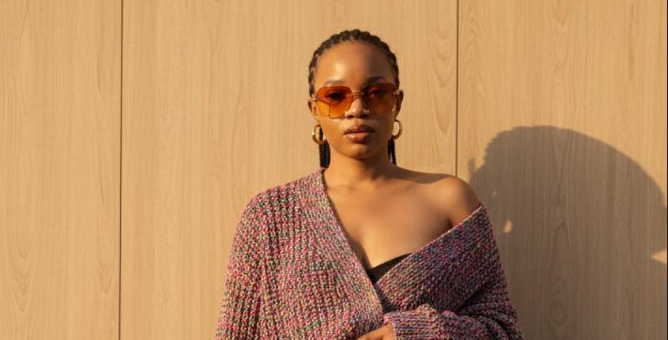
Rita Mandu, professionally known as Senoritaofficial, is a Nigerian model, actress, and scriptwriter redefining contemporary African elegance from her base in Lekki, Lagos. Standing at 5’11”, she possesses a statuesque presence that seamlessly commands both runway and screen, pairing striking physicality with a refined creative voice. As a model, She embodies a modern sophistication that transcends borders—effortlessly blending high-fashion edge with timeless allure. Her work reflects a keen understanding of visual storytelling, making her a captivating figure in front of the lens. On screen, she brings depth and nuance to her roles, approaching each character with emotional intelligence and quiet intensity. Her performances reveal a natural ability to connect with audiences, marking her as a rising talent within Nigeria’s evolving film landscape. Beyond her on-screen presence, she is also an accomplished scriptwriter, shaping narratives that explore human experience with honesty and cultural richness.
Iduh Sylvia Onyinye: A Rising Voice of Purpose and Elegance
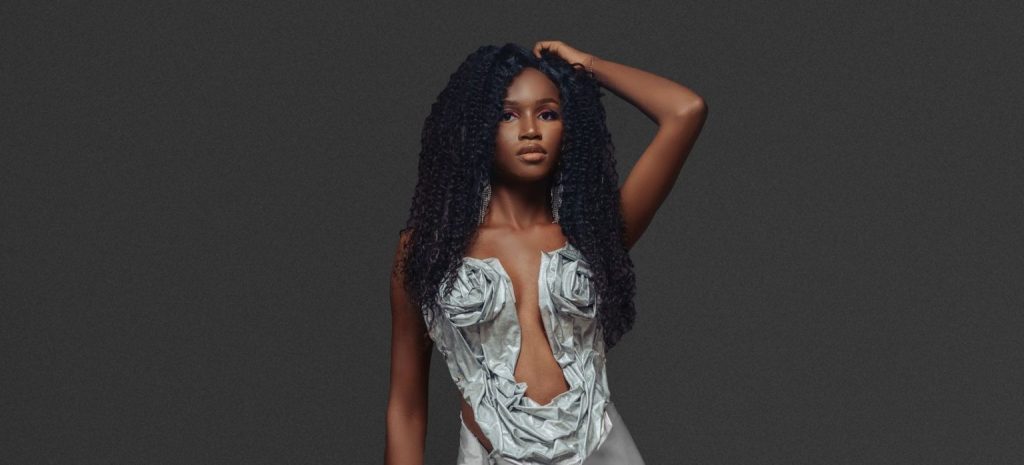
Meet Iduh Sylvia Onyinye, a Nigerian model and beauty queen representing Nigeria at Miss Petite Global, known for her advocacy and rising influence in fashion.
Christian Obidi Is Redefining Modern Masculinity in African Fashion
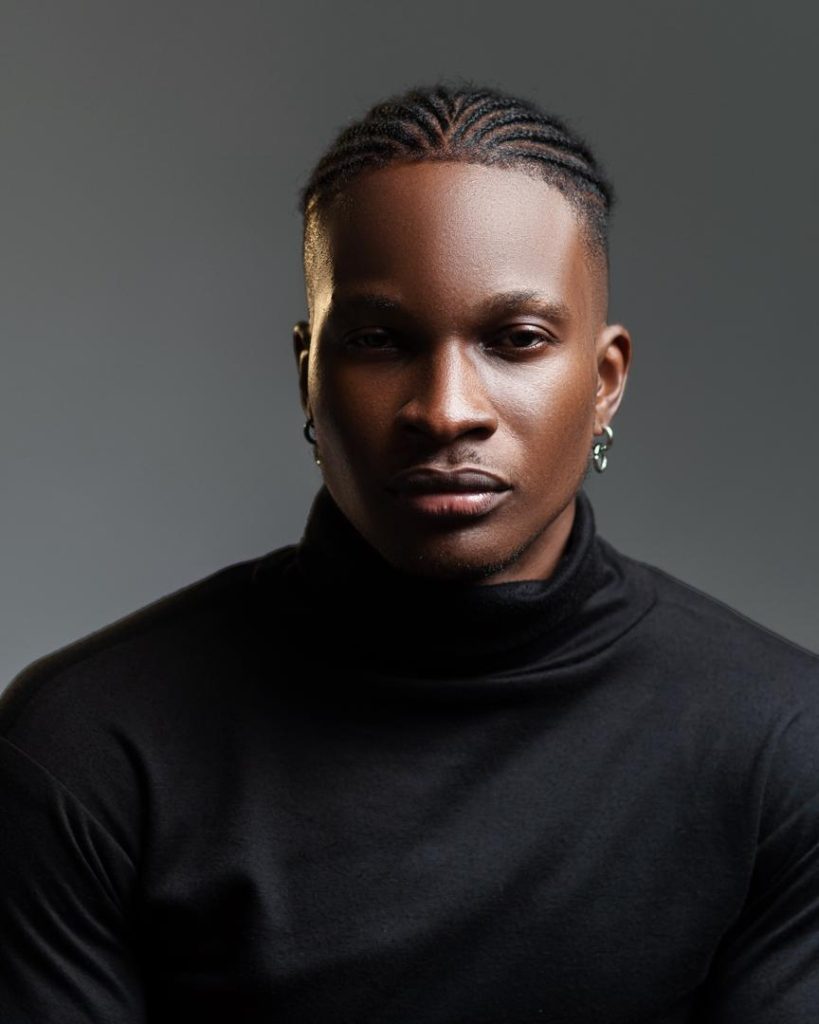
Christian Obidi, professionally known as Chocolate Moskey, is a Nigerian fashion model distinguished by his striking presence and refined approach to modern masculinity. With an aesthetic that effortlessly bridges classic elegance and contemporary edge, he has emerged as a compelling face within Africa’s evolving fashion landscape. Recognized as the Misters of Nigeria Ambassador 2021, Christian has cultivated a reputation for delivering poised, expressive runway performances that capture both structure and emotion. His portfolio features appearances at notable fashion platforms including Port Harcourt Fashion Week (PHFW), Uyo Fashion Week, Anambra Fashion Expo, and Nook Fashion Show, where he has collaborated with visionary designers and creative teams. Christian’s work is defined by precision, versatility, and an innate understanding of form qualities that allow him to translate garments into powerful visual narratives. Whether in motion on the runway or captured in editorial frames, he embodies a quiet confidence that resonates with luxury and high-fashion audiences. Beyond modeling, he is steadily building a multidimensional brand at the intersection of fashion, lifestyle, and digital influence. His growing presence reflects a commitment to excellence, artistic evolution, and cultural relevance. With an eye on global platforms, Christian Obidi continues to position himself as a new-generation model, one whose identity is rooted in sophistication, intention, and the future of fashion.
La Mode Magazine Marks Historic 100th Edition with Dr. Sandra Odige on the Cover

La Mode Magazine proudly announces the release of its landmark 100th edition, a milestone issue that celebrates a legacy of storytelling, cultural impact, and industry influence.
The Room Deborah Abosede Ibeme Enters and What the Rooms Say
An exhibition is not a display, but a declaration. The choice of what to show, where toshow it, and when are not just logistical decisions, rather, they are a statement and anargument. And an artist’s exhibition history, read carefully, tells you not just what theyhave made but what they believe the world needs to receive.Most people encounter an artist’s exhibition record as a list. Dates, venues, titles,locations, the skeletal administrative record of a practice. Read that way, it tells you verylittle. It tells you where someone was and when. It does not tell you why, neither does ittell you what the choice of Oghara over Lagos meant, or what it cost to bring a full bodyof work to London without softening a single frame, or what it means that aphotographer five years into a professional practice has shown her work on fourcontinents and in every significant region of her own country. You have to read Deborah Abosede Ibeme’s exhibition history as the argument itactually is in order to understand each show not as a career milestone but as adeliberate act of cultural placement. That understanding reveals something essentialabout the intelligence behind the practice, as she does not exhibit randomly oropportunistically. She exhibits with intention. Every room she has chosen to enter hasbeen chosen because entering it said something specific that she needed said, in thatplace, at that time, and to that audience.The exhibition record, read this way, is itself a work of art. It has a shape and a thesis. Ithas been built with the same deliberateness that she brings to every frame she selectsfrom the hundreds she does not. 2021: The Digital OpeningDigital Contemporary Photography Showcase — Uganda (Virtual Exhibition,December 2021)Her public exhibition life begins in a screen, a virtual showcase hosted in Uganda thatplaced her emerging practice within a pan-African digital creative community at the verymoment when the pandemic had forced the art world to reckon seriously with digitalexhibition as a legitimate rather than a compensatory format.This is worth noting not because the exhibition was her most significant but because ofwhat the choice of participation revealed: from the very beginning, Deborah understoodthat the geography of visibility is not limited to physical rooms. The virtual exhibition wasnot a fallback for someone who could not yet access gallery walls. It was an entry pointinto a continental conversation, a way of establishing, before the physical exhibitionsbegan, that her practice was already in dialogue with a broader African creativeecosystem.The Rising Talent Recognition from the Niger-Delta Creative Arts Platform the sameyear confirmed that the regional creative community had already identified her assomeone to watch. The recognition and the exhibition together mark 2021 as the yearthe practice announced itself in digital space, with the patience of someone whounderstood that the foundation matters more than the speed of the build.2022: The Year She Walked Into the RoomNew African Voices — Nairobi, Kenya (Group Exhibition, August 2022)“Where Ancestors Still Breathe” — Nike Art Gallery, Lagos (Solo Exhibition,March 2022)She had two exhibitions in 2022, one physical solo, the other an international groupshow. “Where Ancestors Still Breathe” at the Nike Art Gallery in Lagos was, by any honestmeasure, an audacious debut. Nike Art Gallery is not a space that accommodatesmediocrity or rewards ambition that exceeds ability. It is one of Nigeria’s most seriouscultural institutions, a place with a history of presenting significant work by artists whosepractices have defined Nigerian fine art across generations. For a photographer in onlyher second year of professional work to mount a solo exhibition there was definitelymore than just a simple achievement, much more like a statement of earned presencerather than a premature exposure. The title of the exhibition itself is drawn from the cosmological reality of Niger Deltaspiritual tradition, its works examining the living, breathing presence of ancestralconsciousness in contemporary African life. It established the philosophical territory thatall subsequent series would navigate and deepen. Viewers encountered something theyhad not anticipated: not emerging work finding its footing but fully formed work inconfident possession of its own language. The response was the particular kind ofstillness that precedes genuine recognition, more like the moment before words arrive,when the body has already understood something the mind is still catching up to. “New African Voices” in Nairobi the same year placed her practice in its continentalcontext for the first time, situating the Niger Delta visual vocabulary within the broaderlandscape of contemporary African creative production and establishing, throughparticipation, that what she was building was not a local practice with national ambitionsbut a nationally rooted practice with continental ones. The UBA Merit Award for Creative Conceptual Portraiture, also received in 2022,completed the year’s picture: critical institutional recognition in Nigeria, internationalgroup exhibition presence in East Africa, and a solo debut that would have satisfiedmost artists as the culmination of a long career’s work. She was in her second year.2023: Returning to Ground, Reaching Further“Threads of the Unspoken” — Onobrak Art Centre, Ughelli, Delta State (SoloExhibition, August 2023)Afrocentric Perspectives — New York, USA (Group Exhibition, July 2023)Visual Storytelling Africa — Lagos, Nigeria (Art Showcase, November 2023)The geography of 2023 is deliberately wide and deliberately specific simultaneously.New York in July. Ughelli in August. Lagos in November. The sequence frominternational megacity to Delta State town to Nigerian commercial capital is the year sheestablished, through physical practice that her exhibition circuit was going to operate onher own terms rather than the industry’s default assumptions about which rooms matterand which ones don’t. Ughelli is not a city that appears frequently in discussions of Nigerian fine art. It doesnot have the gallery density of Lagos or the institutional weight of Abuja. It is a DeltaState city with a specific character and a specific community, the community whosecultural heritage Deborah’s work is, in significant part, documenting and honoring. Tobring “Threads of the Unspoken” to Onobrak Art Centre in Ughelli after showing in theUnited States was not a step backward on a conventional career ladder was theexecution of a philosophy: that the most important rooms are not always the mostprestigious ones, and that the work owes its first
The Attico “Il Primo Bagno” Collection Captures the Essence of Italian Summer
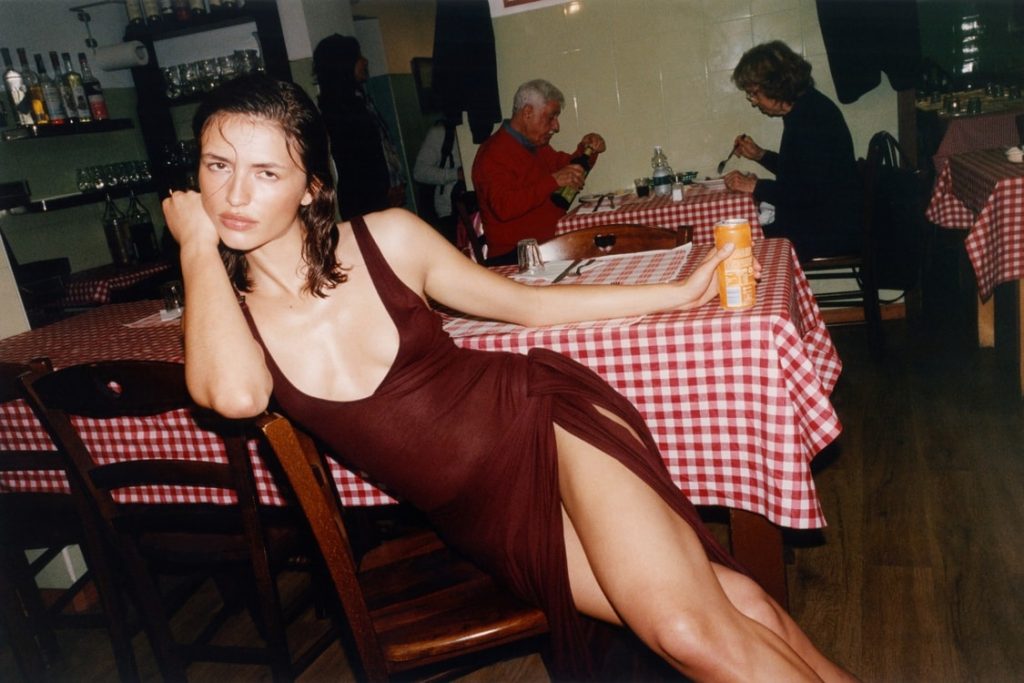
The Attico unveils “Il primo bagno,” a summer collection inspired by the first swim, featuring fluid silhouettes, sun-washed fabrics, and Italian coastal vibes.
Kylie Jenner Is Rewriting the Khy Playbook

Kylie Jenner shifts Khy into a new era with the “Born in LA” collection, focusing on timeless essentials and long-lasting style.
Ayo Edebiri Channels Elaine Stritch in Pantless Chanel Look

Ayo Edebiri stuns in a pantless Chanel outfit inspired by Broadway icon Elaine Stritch on Late Night with Seth Meyers.
An interview with Deborah Abosede Ibeme on Belief, Beauty, and What Photography Owes the People Inside It

From the very limited time and moment shared with Deborah Abosede Ibeme, it isdistinguishable the kind of artists who make work, and the ones who hold positions.Deborah is firmly, uncompromisingly the second kind. The Nigerian fine artphotographer whose solo exhibition “Rituals of Presence” is currently showing at theAfrican Centre, London does not simply produce images of African women. She hasbuilt, over five years of deliberate and philosophically rigorous practice, an entireframework for what photography is, what it owes its subjects, and what it demands ofthe people who look at it. We sat with her to go inside that framework and to understandthe beliefs that are driving one of the most serious fine art practices in contemporaryAfrican photography. La Mode : There is a question that finds every serious artist eventually, not what isthe work about, but what is it for. Have you answered that question for yourself? Deborah: I did answer it before I could make anything worth making.Photography, for me, is a vessel. Not a medium. A vessel. The distinction matters. Amedium is something you work with. A vessel is something that exists to carrysomething else, something that derives its significance entirely from what it holds andwhere it delivers it. When I pick up a camera, I am not picking up a tool for makingimages. I am picking up something that I am responsible for filling with the right contentsand delivering to the right place. The contents, in my case, are three things: memory, dignity, and transformation. Thoseare not casual words. They are the specific obligations the work carries. Memory,because the cultural knowledge I am working with, the cosmological traditions of theNiger Delta, the specific symbolic vocabulary of Ijaw and Urhobo spiritual life, lives inthe body and in practice before it exists anywhere else. When the body stops and thepractice ceases, the memory goes with it unless someone has held it in another form.Dignity, because the women I photograph have not always been photographed with it.The history of the camera in Africa is complicated in ways that I carry consciously everytime I set up a frame. And transformation, because the photograph that holds memoryand restores dignity does not leave its viewer unchanged. It asks something of them. Itrequires them to see differently. That asking and that requirement, is the transformation. La Mode: You have said that you don’t photograph women. You photograph whatwomen carry. Can you unpack that? Deborah: It is a rejection of the portrait tradition in its conventional sense, where thesubject is the endpoint, the thing the photograph is “of”. In my framework, the subject isnot the end but the beginning. The woman in the frame is not the subject in thephotographic sense but the carrier. She is the living repository of something the imageis trying to reach, something older and deeper and more important than any individualface. What women carry, in the specific context of my practice, is the accumulated weight of aculture’s deepest knowledge. The memory of how things were done. The rituals, theceremonies, the forms of adornment and communication and spiritual practice thatconstitute a community’s self-understanding across generations. They carry the grief ofwhat has been lost and the resilience of what has survived. They carry, in their posturesand their gestures and their faces, evidence of everything they have endured andeverything they have maintained despite the endurance.To photograph this carrying, to make it visible with the full technical and conceptualauthority I can bring to the work, is what the work owes its subjects. Not flattery. Noteven beauty, though beauty is present. The work owes them accuracy. The accuraterendering of what they carry, in a quality of light that makes the carrying look like what itis: a form of strength so complete it has become invisible to the culture that depends onit. La Mode: And what does the work not owe them? Deborah: Comfort. The work does not owe its subjects the version of themselves that iseasiest to receive. It does not owe them the performed grace of women who know theyare being watched and have learned to manage the watch. It does not owe them theflattering surface.The work owes them truth. And truth, in my practice, is more demanding and morehonoring than any of the alternatives. When a woman stands in front of my camera andwhat emerges is the full, unmanaged reality of who she is and what she carries, thenthat is a more profound form of respect than any beautiful lie I could ever construct. La Mode: The quality of stillness in your images is something every serious viewernotices immediately. But it reads as something more than a compositional choice. Deborah: Much more even. Stillness, for me, is not the absence of movement or theabsence of expression. It is the presence of concentration. The stillness of a containerholding something under pressure. The stillness of water before it floods. When people say my photographs are still, I hear a compliment they don’t know they’regiving. Because stillness is not absence. Stillness is the whole conversation.In the contemplative traditions of West African spiritual life that inform my work, stillnessis the form of activity. The state in which the most important things become audiblebecause the noise has been removed. The great portrait, whether painted orphotographed, is the one in which the subject appears to be thinking, in which thestillness contains an interior life so palpable it makes the viewer lean forward. I havemade the creation of that quality the central technical and philosophical ambition of mypractice. La Mode: Which is why the silence on your sets is deliberate. Deborah: The silence I create on set is not a working preference. It is an instruction toeveryone in the room, including the subject. It says: what is happening here issignificant. It deserves this quality of attention. Nothing is incidental. The subject doesnot need to perform for me. She does not need to give me anything. I am here to findwhat is already true about her and make it visible. The silence is the condition in which itbecomes possible to
Nike Launches “Project Goddess” Beauty Campaign
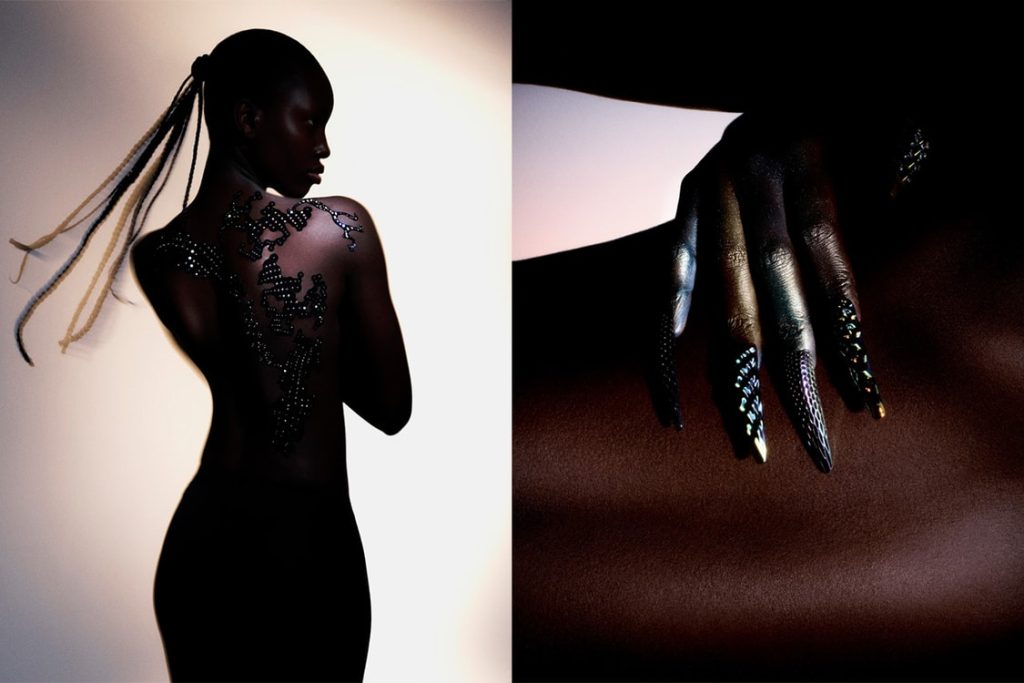
Nike is stepping into new territory, and it’s doing so with intention. With the launch of “Project Goddess,” the brand is challenging long-held perceptions around beauty, particularly the idea that makeup and athletic performance exist in separate worlds. At the core of the campaign is a simple but powerful idea: when you feel good, you perform better. To bring that vision to life, Nike collaborated with French makeup artist Marie Guillon and German photographer Kapfhammer, creating a series of visuals that blur the line between sport and beauty. The result is a dreamy yet grounded campaign that positions beauty not as vanity, but as strength. Internally, the project is driven by a team of innovators shaping the future of design. Senior innovator Landi Wilson, alongside computational designers Sarah Hammond and Yuan Mu, developed an unreleased collection that extends this philosophy into wearable form. The pieces themselves lean into the emotional side of performance how confidence, identity, and self-expression influence the way athletes show up. Rather than separating beauty from sport, “Project Goddess” brings them into the same conversation. Fronted by female athletes, the campaign highlights how personal rituals, whether it’s applying makeup or choosing what to wear, can be part of building strength. It’s a subtle but important shift: beauty is no longer positioned as distraction but as an extension of power.