
KITH Taps LISA as Guest Designer for Kith Women Spring 2026

LISA joins KITH as Guest Designer for Kith Women Spring 2026, unveiling a dual-inspired collection blending romantic softness with after-dark edge.
Is Washing Your Face With Salt Water Good for Acne? Dermatologists Weigh In
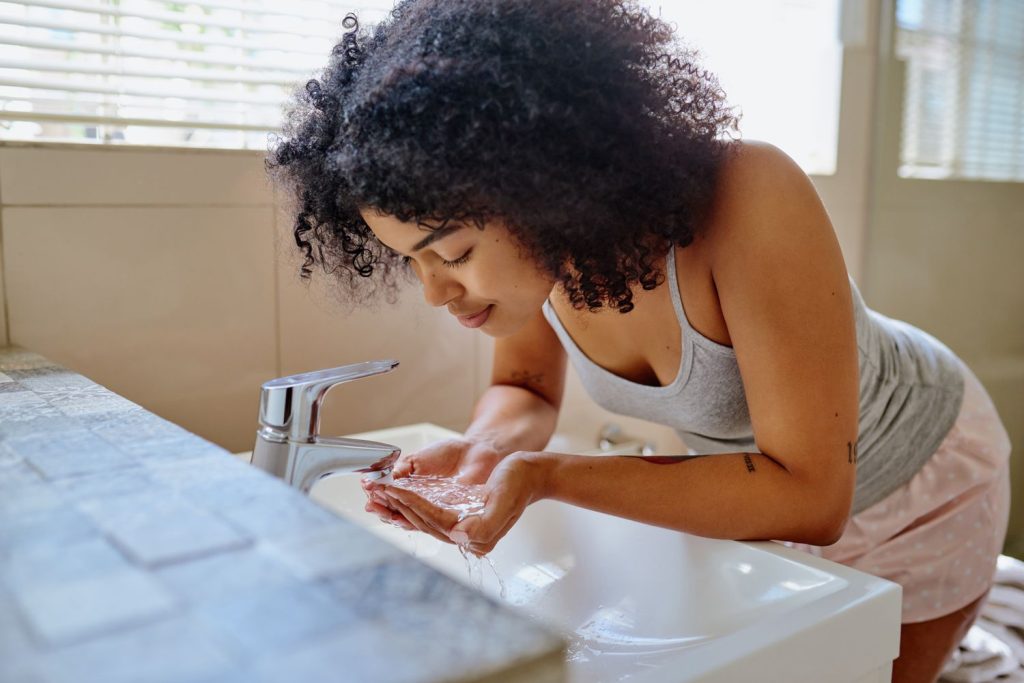
When you think of salt water, you probably picture the ocean not your skincare routine. But on TikTok, users are claiming that washing your face with a briny solution can cure acne, calm redness and even improve inflammatory skin conditions. So is salt water the secret to clearer skin, or just another viral experiment gone wrong? We looked into what dermatologists actually say. What Is Salt Water Washing? Salt water is exactly what it sounds like: a mixture of salt and water. While naturally found in the ocean, most at-home versions involve dissolving table salt (not coarse sea salt) into warm tap water. Once cooled, the solution is applied to the face like a rinse or toner. On social media, the method is praised for its supposed ability to clear breakouts and control oil. But many dermatologists caution that while salt has exfoliating and antibacterial properties, it can also be overly harsh — especially when used incorrectly or too often. The Potential Benefits When used cautiously, salt water may offer some short-term advantages: Clears Acne (Temporarily)Salt acts as a physical exfoliant, helping remove dead skin cells and unclog pores. Its mild antibacterial properties may also reduce acne-causing bacteria. Reduces Excess OilBy buffing away buildup and oil, salt water can leave oily skin types feeling temporarily balanced. Brightens and SmoothsLike any mechanical exfoliant, it can create a smoother, brighter appearance by sloughing off dull surface cells. May Reduce InflammationCertain minerals found in sea salt such as magnesium have anti-inflammatory properties, which could offer relief for some inflammatory skin conditions. But here’s the catch: the same qualities that make salt effective also make it risky. The Downsides Dermatologists Warn About Most dermatologists advise against making salt water a regular part of your routine. Why? Because it’s inherently abrasive and drying. Overuse can disrupt the skin barrier, leading to irritation, redness, flaking and even worsening acne. Those with dry, sensitive or eczema-prone skin are especially vulnerable to irritation. Even oily or acne-prone skin types should limit use to once or twice weekly at most and never as a standalone acne treatment. In short, it may help in very specific circumstances, but it’s not a miracle cure. Are There Safer Alternatives? If you’re drawn to the oil-balancing or exfoliating benefits, dermatologists suggest turning to proven alternatives like gentle chemical exfoliants, salicylic acid cleansers or dermatologist-formulated toners. Salt-infused products such as body scrubs, bath salts or professionally formulated facial toners can also provide similar benefits with better pH balance and controlled concentrations making them far safer than DIY solutions. How Often Should You Use Salt on Your Face? If you’re determined to try it, limit usage to one or two times per week maximum. Always moisturize afterward to support your skin barrier, and avoid use entirely if you have sensitive, dry or eczema-prone skin. Better yet, consult your dermatologist before experimenting with any viral skincare trend. The Final Verdict While salt water does have legitimate exfoliating and antibacterial properties, the risks often outweigh the rewards. The trend may look simple and natural, but that doesn’t automatically make it safe. There are countless dermatologist-approved cleansers and exfoliants designed to achieve the same results without compromising your skin barrier in the process. TikTok may love it. Your skin? That’s another story.
Wuthering Heights Review: Emerald Fennell’s Bold and Sensory Film Adaptation

Emerald Fennell’s Wuthering Heights reimagines Emily Brontë’s classic with sensual visuals, controversial casting, and a haunting focus on obsessive love.
SACHEU Beauty Launches Three New Cool-Toned Lip Liner STAY-N Shades

SACHEU Beauty introduces three new cool-toned shades of its viral Lip Liner STAY-N, delivering long-lasting pigment, nourishing ingredients and all-day wear.
Miss Nigeria 2026 Season Launches With Beauty and Fashion Fair in Lagos
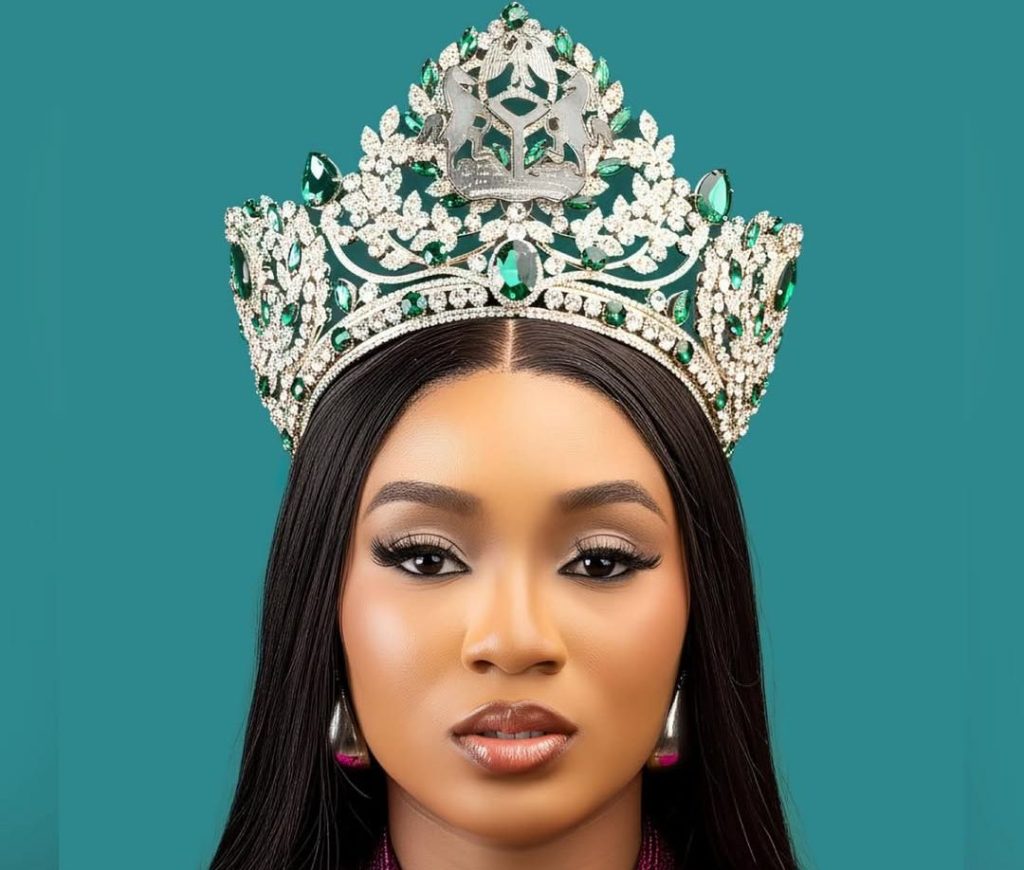
The Miss Nigeria 2026 season begins in Lagos with the Beauty and Fashion Fair at Eko Hotel, introducing the “She is Made of More” campaign celebrating leadership and empowerment.
Omotola Jalade-Ekeinde Makes Directorial Debut With Mother’s Love
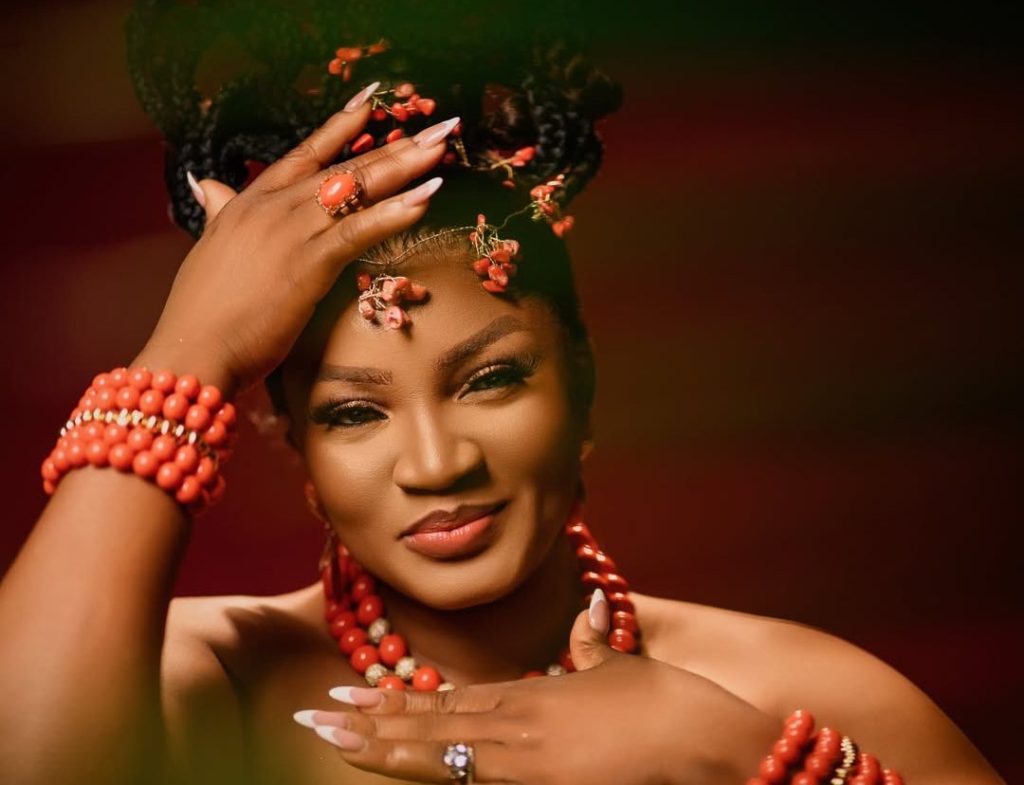
Nollywood icon Omotola Jalade-Ekeinde makes her directorial debut with Mother’s Love, a family drama exploring motherhood, classism, and identity ahead of its March 2026 cinema release.
Valentine’s Day Fashion 2026: The Best Red Dresses and Romantic Looks

From rich red gowns to flirty lace minis, discover the Valentine’s Day outfits that dominated timelines and defined romantic style in 2026.
Harry Styles to Curate Meltdown Festival 2026 at London’s Southbank Centre

Harry Styles will curate the 2026 Meltdown Festival at London’s Southbank Centre, joining past curators like David Bowie and Patti Smith for the 11-day music event.
Must-See Black Art Exhibitions Celebrating Diasporic Creativity and Identity
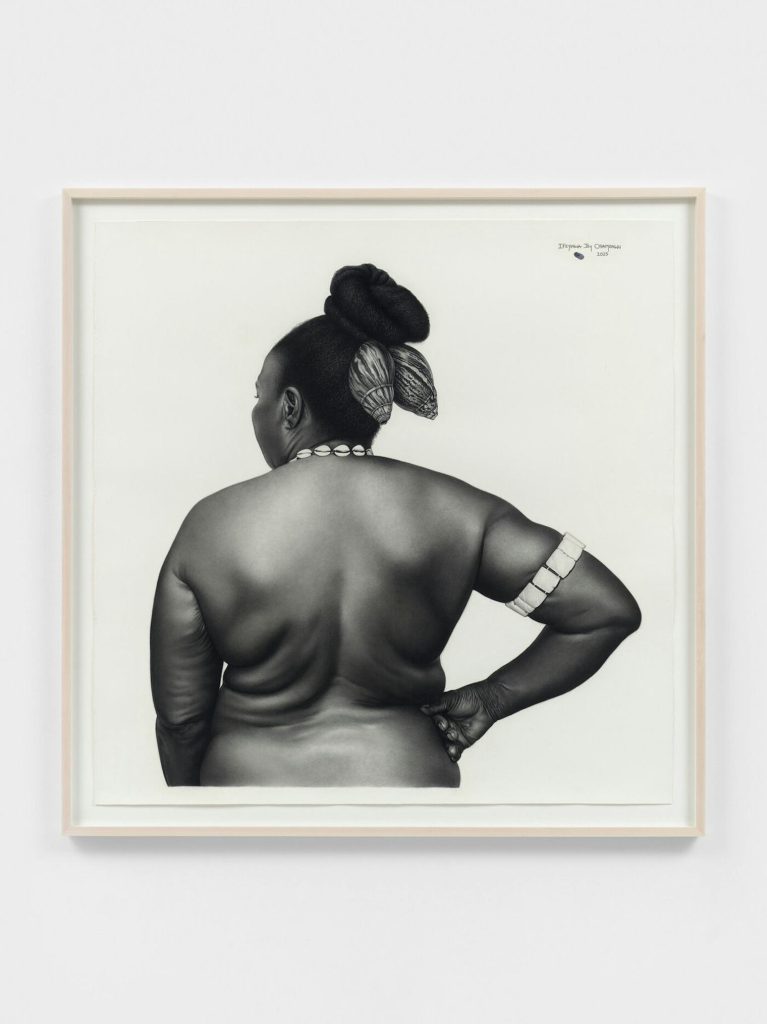
Discover major exhibitions by Ifeyinwa Joy Chiamonwu, Firelei Báez, and Shani Crowe highlighting the depth and diversity of Black artistic expression worldwide.
ARTIST PROFILE FEATURE: Goodluck Jane: Stitched Between Memory and Form
While some artists are made through institutions. Others through rebellion. A few emerge through something quieter yet more enduring, and that is inheritance. Goodluck Jane belongs unmistakably to that last category. Jane was born into a family of painters and drawing artists, her earliest exposure to the art world started long before her classrooms encounter, it started in close proximity with those who inherently found expression in art. As such, observing how materials yielded to imagination, she understood that images could carry emotion long before words did. For such an environment, Art was no longer for spectacle, but a general atmosphere. That early intimacy with visual storytelling would later mature into a multidisciplinary practice spanning painting, drawing, and mixed-media assemblage, a practice now widely recognised for its layered conversations between fabric, paper, pigment, and line. Jane began working professionally as a visual artist in 2021, yet her work carries the density of a much longer evolution. Perhaps this explains the speed with which her voice gained attention. There is little hesitancy in her compositions. They possess the confidence of someone who has long been listening. Central to her artistic language is the Ankara fabric which she treats not as embellishment, but as conceptual infrastructure. With a foundation in fashion design, Jane developed what might best be described as material intelligence: a sensitivity to how cloth behaves, how it holds colour, how it resists flattening, how it carries cultural memory. This fluency allows fabric, in her work, to function as language rather than surface. Cut fabric silhouettes interrupt painted fields. Fractured patterns interfere with drawn gestures, while paper layers echo textile rhythms. The works assemble themselves like visual palimpsests, histories layered, identities negotiated, memories partially revealed. Jane has exhibited her artwork across Nigeria and internationally, from “Bodies in Blue: An Ankara Study” at Zawyeh Gallery in Dubai, to “Bloodline in Bold Print” at Afriart Gallery in Kampala, to “Echoes in Wax and Skin” at Gallery 1957 in Ghana. Jane’s practice has persistently explored the dialogue between body, cloth, and memory. Her later solo exhibitions including “Fabric of Our Stories” at The Africa Center (UK), “Ankara Stories” at the African American Atelier Gallery (USA), and “Clothed in Care” at Umoja Art Gallery (Uganda) further cemented her reputation as an artist capable of transforming textile into narrative architecture. Recognition has followed organically too. Art historian Bolaji Campbell described her work as phenomenal. Professor Moyo Okediji noted its refined originality. Her practice has been critically engaged by Kunle Filani and peer-reviewed alongside leading contemporary artists by Professor Peju Layiwola. Yet beyond accolades, what distinguishes Jane’s work is its emotional intelligence. Despite the vibrancy of the Ankara fabric, historically associated with ceremony, celebration, visibility, her compositions often hold moments of introspection. Colours pulse, but they also pause. Patterns energise, yet they are fractured, interrupted, destabilised. The effect is deeply human. Jane’s art does not romanticise heritage, rather it interrogates it. inhabits it and asks what it means to carry history in the body, in memory, and in material. Her impact extends beyond the studio. In 2022, she collaborated with La Mode Disability Foundation, teaching persons with disabilities mixed-media practices, painting, drawing, cutting, affirming art as accessibility rather than exclusivity. In 2023, she was invited by the University of Ife to speak on “The Fragments of Art,” engaging young artists in critical reflection on materiality and meaning. By 2025, her presence had entered broader cultural conversations. She contributed to the Lagos Cultural Weekend and participated in the ARTX Lagos through professional development dialogues with rising artists. Goodluck Jane’s trajectory resists simplification. She is not merely a textile artist. Not simply a painter. And, not even only a mixed-media practitioner. She is a storyteller leveraging material to stitch memory into form, and cut identity into surface, while layering heritage into a contemporary visual language.