

Vivian Ekpokpo’s “Africa Reimagined” Makes a Distinguished Artistic Presentation at the La Mode Group UK Official Launch
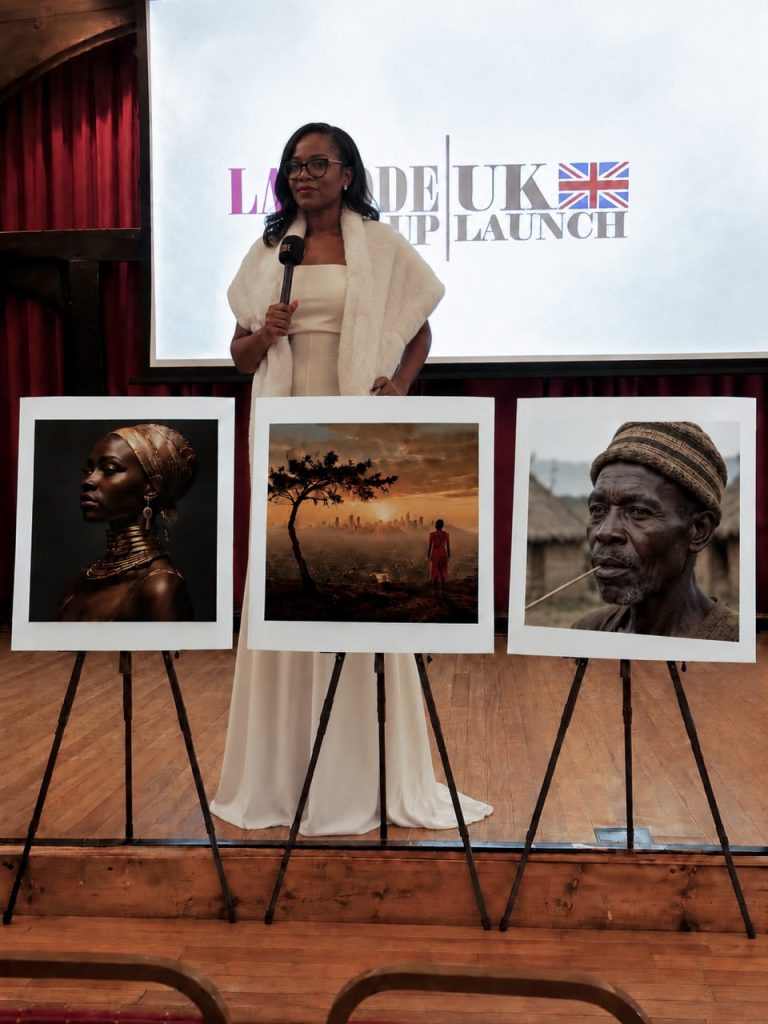
Chichester, West Sussex, United Kingdom Vivian Ekpokpo is delighted to reflect on the successful presentation of her fine art photography collection, “Africa Reimagined,” at the La Mode Group UK Official Launch, held at the iconic Chichester Cathedral. Although Vivian was unable to attend the event in person, her work made a remarkable artistic appearance, contributing to a memorable celebration of art, fashion, culture, and international collaboration. Presented within the magnificent surroundings of Chichester Cathedral a masterpiece of medieval architecture renowned for its centuries of history, artistic heritage, and cultural significance “Africa Reimagined” offered guests a compelling visual journey celebrating the beauty, resilience, heritage, and evolving identity of the African continent. Through her fine art photography, Vivian invited audiences to experience Africa through a lens of authenticity, elegance, and creative excellence, presenting contemporary narratives that bridge tradition and modernity. The presentation marked an important milestone in Vivian’s artistic journey, reinforcing her commitment to using fine art photography as a powerful medium for storytelling, cultural preservation, and global dialogue. The historic setting provided a unique backdrop where the timeless legacy of one of England’s most treasured landmarks complemented the vibrant spirit and creative vision embodied in “Africa Reimagined.” Reflecting on the occasion, Vivian shared: “Although I could not be present in person, I am deeply honoured that my work represented my artistic voice at such a prestigious event. Knowing that ‘Africa Reimagined’ was presented within the historic walls of Chichester Cathedral is incredibly meaningful. I am grateful to La Mode Group UK for providing a platform where art, fashion, and culture converge, and where African creativity can be celebrated on an international stage.” Vivian extends her sincere appreciation to the organisers of the La Mode Group UK Official Launch for the opportunity to present her work in such an inspiring and historically significant venue. She remains committed to creating thought-provoking visual narratives that celebrate African identity while fostering meaningful cultural exchange through the universal language of art.
“The Process Is Not the Path to the Work. The Process Is the Work.” A Conversation with Deborah Abosede Ibeme on What It Actually Takes to Make a Photograph
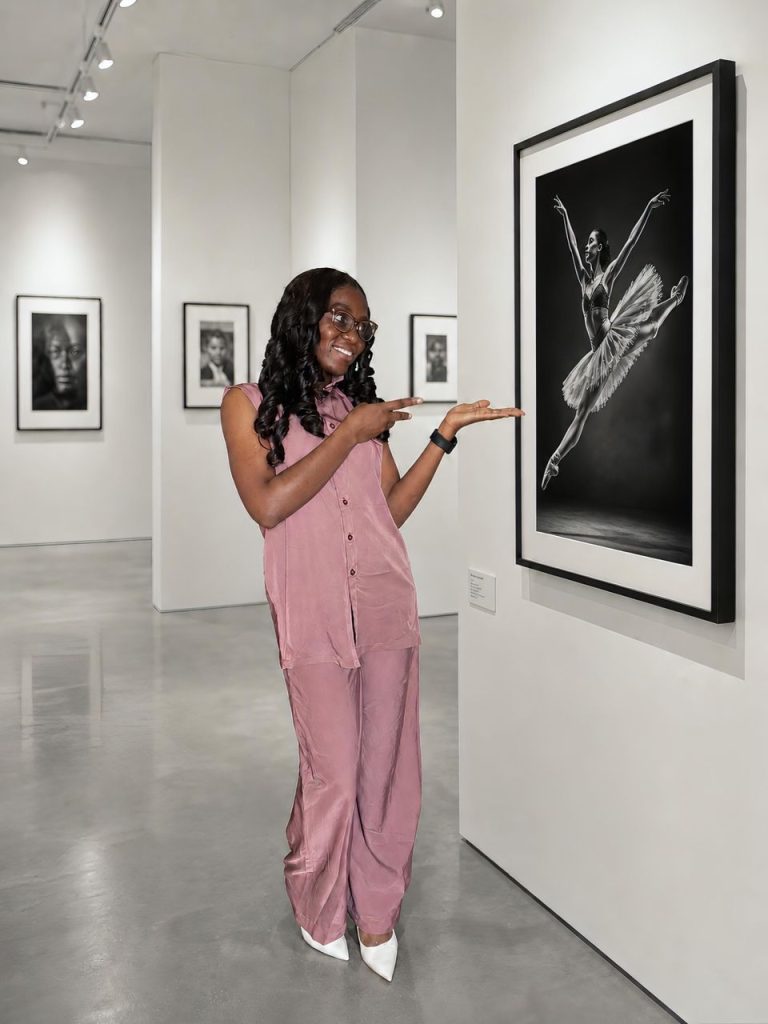
There is a particular fantasy that surrounds great photography, and it’s thefantasy of the decisive moment, of genius as a natural event rather than aconstructed one. Deborah Abosede Ibeme’s practice is the complete refutation ofthat fantasy. Nothing she makes happens. Everything she makes is built. We satdown with the Nigerian fine art photographer to go inside the process, from thefirst word to the final print and understand what it truly costs to make work thatlasts. Pulsetv: Let’s start at the very beginning of a new series. Where does it comefrom? What is the first thing that arrives? Deborah: A word. It is always a word first. Unfortunately, it’s not even an image. Someartists say theirs come from a certain kind of mood or feeling. Mine always comes froma single word that arrives with a kind of weight to it, the weight of something that hasbeen waiting to be named. Words like inheritance, threshold, remnant, passage. I sitwith that word for a while before I do anything else. I turn it over. I ask what it contains,what it excludes, what specific visual truth it is pointing toward that I haven’t addressedin any previous series. The word is the question. Everything that follows is my attempt to answer itphotographically. Pulsetv: Interesting. And where do those words come from? Are you looking forthem, or do they find you? Deborah: Both, depending on the season I’m in. Sometimes a word surfaces fromreading. I move between cultural theory, oral history, poetry, ethnographic literature onthe Niger Delta. Sometimes it comes from memory. A fragment of something Iwitnessed as a child that resurfaces decades later, arriving not as nostalgia but asinformation. The particular quality of light on a specific afternoon. Once, it was fromwatching a particular elderly woman during a reception, the way she moved throughoutthe ceremony. Sometimes it’s even the sound a certain fabric makes when it is tiedcorrectly. And sometimes it comes from simply watching. A woman in a market whose posturecarries a specific kind of history. A textile in a tailor’s shop that triggers a train ofassociation I have to follow to its end. I have learned not to rush these moments. Theyare not decoration. For me, they’re always the concept arriving in disguise. Pulsetv: So, once the concept has its word and its direction, what happens next? Deborah: I start researching. Serious, sustained, systematic research, the kind thatmost people outside of academic or curatorial practice would probably find surprising inits depth. For a series rooted in Ijaw or Urhobo cosmological tradition, which many ofmy most significant bodies of work are, I consult ethnographic literature, oral histories,and the kind of community knowledge that does not exist in any book. I seek outconversations with elders and cultural custodians. I ask: what did this symbol originallymean, and what does it mean now, and what is the distance between those twomeanings? Which objects carry active spiritual significance and must therefore behandled with corresponding accuracy? As you should know, this is not background research, but primary materials. Theknowledge I gather in this phase becomes the symbolic content of the work. There is afundamental difference between an image that uses a cowrie shell as decoration and animage that uses it as a precise statement about a specific system of value and femininepower. That difference is entirely determined by the accuracy of what I know before Istep on set. If the knowledge is approximate, the visual language loses authority. Andauthority is everything because the work is not simply making an aesthetic argument. Itis making a cultural one. Pulsetv: How long does this research phase typically run? Deborah: Three to four weeks at minimum for a major series. For the work that reachesdeepest into the cosmological traditions of the Delta, the most culturally dense material,it can extend to six or seven weeks before I feel I have a sufficient foundation to beginvisual development. I do not move to the moodboard before I am ready. The researchcannot be rushed without the work feeling it. Pulsetv: Tell me about the moodboard. What does yours actually look like? Deborah: It is not what most people imagine when they hear that word. It is not aPinterest board or a mood wall of pretty images. It is an argument, much like a visualessay assembled from sources as diverse as Old Dutch Master paintings, Yorubaegungun masquerade photography, West African textile archives, contemporary Africanfine art, botanical illustration, architectural photography. The juxtapositions I create aredeliberate and analytical. I am looking for intersections between traditions, the visualrhymes between a Rembrandt shadow and a Niger Delta ritual posture, the formalsimilarities between how a Flemish still life treats objects and what I want to do with aclay vessel in a frame. And note that, I do not borrow from these references, I only converse with them. Learning from traditions that solved certain visual problems with extraordinarysophistication, and then applying those solutions to subject matter those traditions neverengaged with. The result, I hope, is something entirely new: a visual language thatcarries the technical intelligence of European painting history and the culturalintelligence of West African cosmological tradition simultaneously, without eitherdominating or displacing the other. Pulsetv: And the color decisions, when do those happen?Deborah: At the moodboard stage, and they are locked in early. A series about griefpulls toward cooler, darker tones within the palette. A series about power leans into thewarm, the rich, the resonant. These are not intuitive decisions that I make on the day ofthe shoot. They are analytical decisions made during the research and moodboardphase, and they are held consistently through to the final print. Pulsetv: Let’s talk about subject selection, because this is something thatdistinguishes your practice very sharply. You are clearly not casting in anyconventional sense. Deborah: No. Not at all. Most photographers select subjects based on availability, onphysical appearance, on the technical requirements of the frame. I select subjectsbased on presence, and I am willing to wait as long as it takes to find the right one.What I am looking for is women whose bodies already carry
“Lagos Makes the Work Possible. The Delta Makes It Necessary.”Deborah Abosede Ibeme on Home, Identity, and the Geography That Drives Everything She Makes
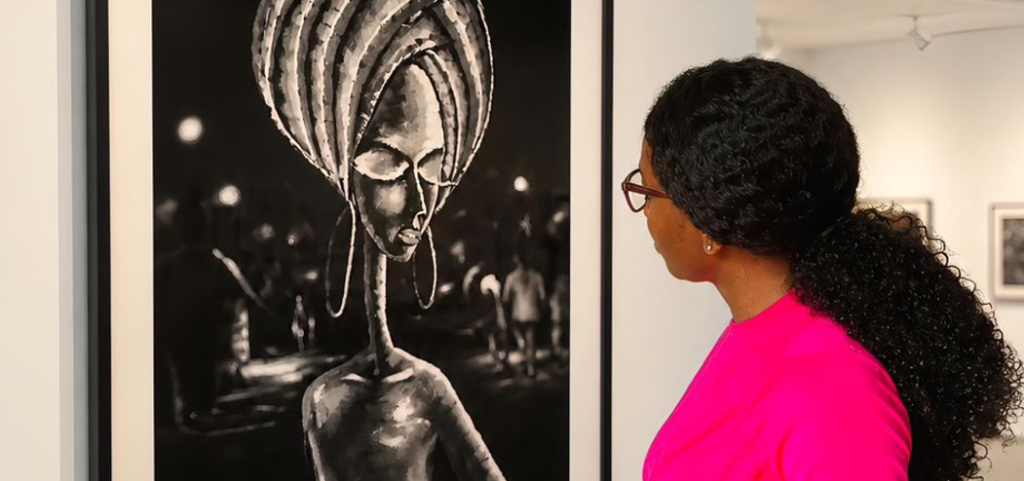
Every serious artist has a geography. Not just the place they live, but the place that livesin them. Deborah Abosede Ibeme has like two geographies. The Nigerian fine artphotographer has built a practice that moves between Warri and the Niger Delta, Lagos,and increasingly London, without allowing any single city to become the dominant framethrough which her work is produced or received. The tension between those worlds, shesays, is not a problem she is trying to resolve, but rather the engine of everything. Wespoke with her about what each city demands of her, what each one gives, and why shekeeps returning to the one that the art world has spent the longest time overlooking. Pulsetv: Let’s start with Warri, because it is where everything begins for you, and it isnot a city that appears frequently in conversations about Nigerian fine art. Deborah: That invisibility is part of what the work is responding to.Warri is dense, layered, contradictory. Warri is a place of extraordinary cultural richnessexisting in permanent tension with the economic and environmental consequences ofthe oil industry that surrounds it. The Niger Delta is one of the most ecologicallycomplex and historically burdened landscapes in West Africa. Its resources have largelyleft it. And Its people largely left behind by the industries built on those resources. Andyet the cultural depth, the Ijaw, Urhobo, and Itsekiri traditions that the Delta contains, isamong the most symbolically rich in Nigeria. Cosmological systems, artistic traditions,social knowledge that has survived centuries of contact, conflict, and colonialism. To grow up in Warri is to grow up inside a specific paradox: immense cultural depth andpersistent institutional neglect. The galleries are few. The investment in culturalpreservation is thin. The Delta is largely invisible in the national and internationalconversations about Nigerian creative culture, which is remarkable and infuriating giventhe depth of what is there. La Mode: How did growing up inside that paradox shape the practice you eventuallybuilt? Deborah: It gave me both the material and the mandate. The cultural depth, the fabrics,the ceremonies, the objects, the language of adornment, all I absorbed with the intimacyof someone who learned it through immersion, and obviously not through studies. Ididn’t read about Ijaw cosmology in a textbook. I encountered it in the way my eldersdressed, in the ceremonies I witnessed as a child, the specific way certain objects werehandled with a care that communicated their spiritual weight before anyone explained itto me. And I grew up watching that knowledge become gradually less legible. Albeit theknowledge not lost catastrophically, it leaks, quietly, generation by generation, throughgaps that no one is filling quickly enough. Both of those experiences are in the work. The richness is in what I choose tophotograph and how I choose to photograph it, with the gravity and symbolic densitythat says this deserves to be seen this carefully. The neglect is in why I photograph it,because the absence of documentation is itself a form of erasure, and I am committedto the sustained counter-practice of making the Delta visible in the quality of light it hasalways deserved. La Mode: When you exhibit in the Delta like in Oghara, Ughelli, and Asaba, what is thatexperience like compared to showing in Lagos or London? Deborah: It is the most exposed I ever am as an artist. When you show work about a community to that community, you are submitting to aform of accountability that gallery audiences in Lagos or London cannot provide. ALondoner who finds my work powerful is oftentimes just responding to its aesthetic andconceptual authority. A woman in Oghara who finds it powerful is responding tosomething more specific and more demanding. She recognises herself, her mother, hergrandmother, her specific cultural inheritance in these images. That recognition can begiven or it can be withheld. It cannot be manufactured by critical language orinternational exhibition records. The reception at “The Weight of Becoming” in Oghara was the deepest confirmation mypractice has received, not the most prestigious, the deepest. Viewers spent unusualamounts of time before individual works. Some returned to specific frames multipletimes in the same visit. The gallery staff described it as unlike typical exhibitionbehaviour. And it was, because what was happening was not typical. It was recognition.The specific, embodied experience of seeing your world held in a frame with this qualityof seriousness, and quality of light. Seeing that someone considered it worth this levelof care, that response is worth more to me than any international review. La Mode: And then Lagos. What does Lagos do to the practice that the Delta cannot? Deborah: For Lagos, how I see that city, it does not care about your origin story. It doesnot adjust its pace or its standards for where you come from or how long the journeywas. It simply presents itself, enormous, competitive, relentless, full of the mostsophisticated creative community on the African continent, and waits to see what youcan do with what you have brought. For me, the first significant confrontation with that city came through the Nike ArtGallery, my first major solo, “Where Ancestors Still Breathe,” in March 2022, in mysecond year of professional practice. The Nike Art Gallery is a serious institution with aserious audience. Showing there forced precision in a way that was genuinely useful.The work had to hold up not just to my own standards, which are demanding, but to anaudience that evaluates work against an international benchmark. Lagos also asks me to be legible in ways that the Delta does not. Not legible in thesense of simplified, in the sense of articulable. Capable of communicating the depth ofthe work’s intentions to an audience that may not carry the same cultural specificity butcarries a high level of conceptual and aesthetic sophistication. Learning to do that, tospeak the work’s philosophical position with clarity without flattening its symbolic densityis a specific intellectual skill, and Lagos has been its gymnasium. La Mode: And practically, what does Lagos provide that makes the Delta work Deborah: Resources. Plainly. The commercial commissions, the editorial work, thebrand campaigns, the creative direction projects, the revenue from commercialproduction in Lagos
Vivian Ekpokpo Set To Showcase At La Mode Group UK Launch At The Chichester Cathedral
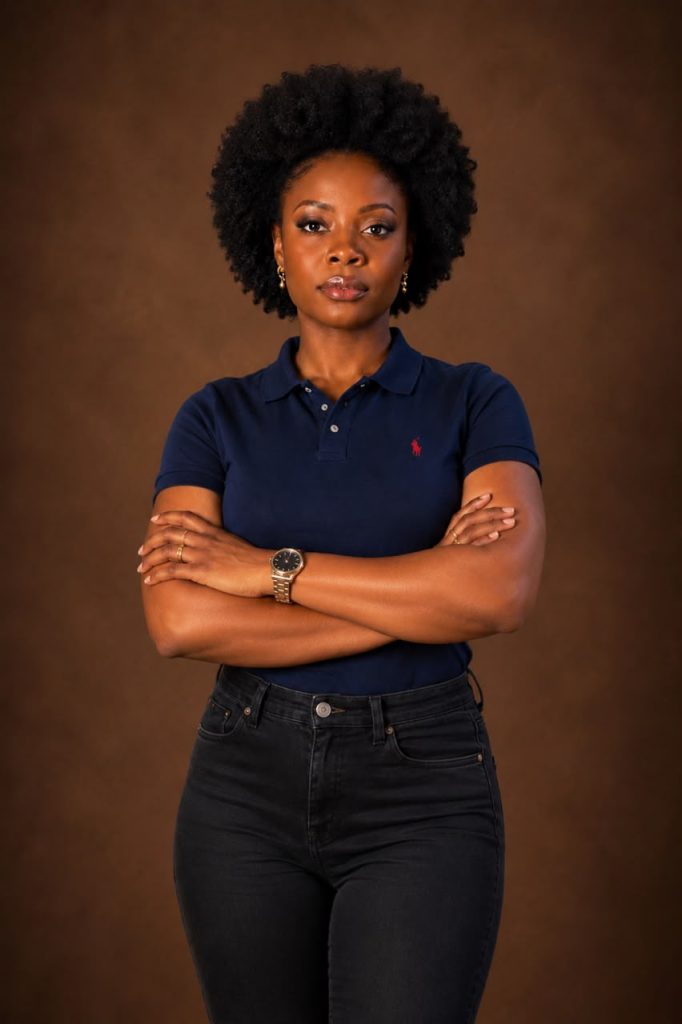
Vivian is proud to announce her participation in the La Mode Group UK Official Launch on December 8th, 2024, where she will showcase her fine art photography collection, “Africa Reimagined.” The presentation will take place within the magnificent setting of Chichester Cathedral United Kingdom , a venue celebrated for its rich history, architectural grandeur, and cultural significance. “Africa Reimagined” offers a compelling visual narrative that celebrates the beauty, resilience, heritage, and evolving identity of the African continent. Through this collection, Vivian invites guests to experience Africa through a lens of authenticity, elegance, and creative excellence, presenting a contemporary perspective that bridges tradition and modernity. This showcase marks a significant moment in Vivian’s artistic journey, as her work contributes to the cultural richness of the La Mode Group UK Official Launch. The exhibition underscores her commitment to using fine art photography as a powerful medium for storytelling, connection, and global dialogue. Vivian expresses her gratitude for the opportunity to present her work at such a prestigious event, where art, fashion, and culture converge in a historic and inspiring setting.
Fragments of Her Becoming Leaves Lasting Impression at London Exhibition Despite Artist’s Absence
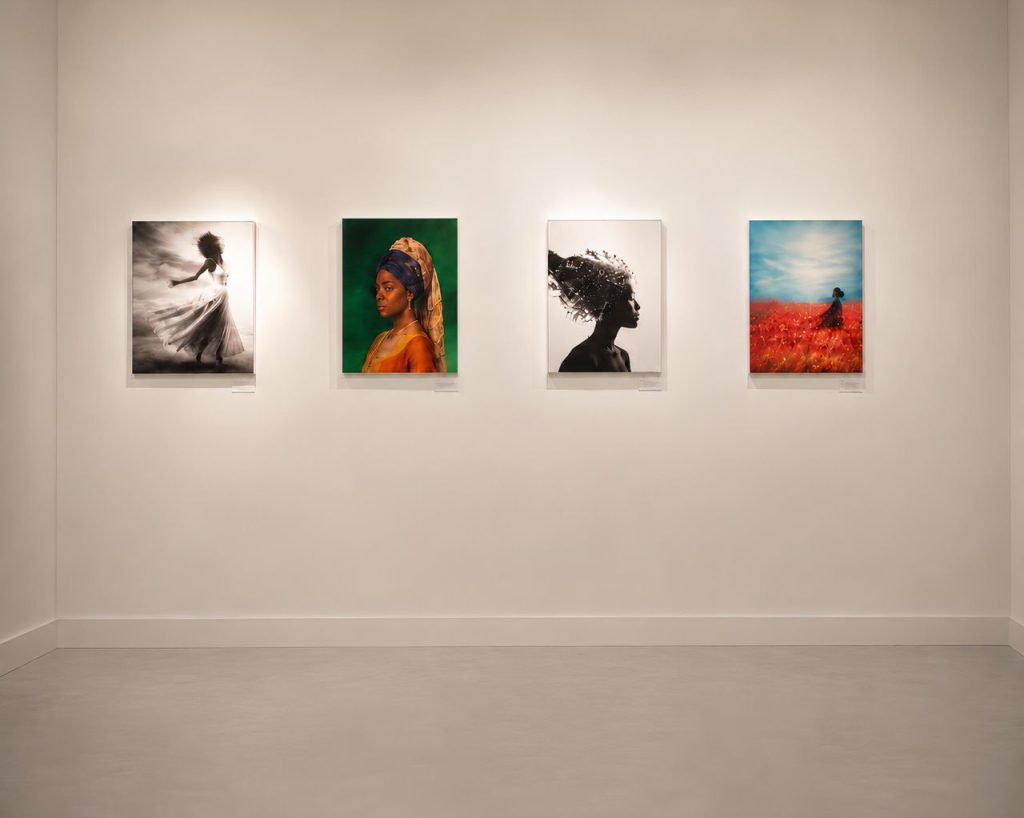
The recently concluded solo exhibition Fragments of Her Becoming by Nigerian contemporary artist Deborah Abosede Ibeme drew an intimate and reflective audience to CaslidART Gallery, London, where visitors connected deeply with the emotional resonance and storytelling embedded within the works on display. Held from 3rd–7th November 2024, the exhibition explored themes of identity, femininity, memory, healing, and transformation through a compelling collection of fine art photography and visual narratives. Though Deborah Abosede Ibeme was unable to attend the exhibition in person, her presence was profoundly felt through the strength and honesty of her work. Guests moved quietly through the gallery space, spending time with each piece as conversations emerged around emotional vulnerability, womanhood, and self-discovery. The exhibition created an atmosphere of introspection, allowing viewers to engage personally with the stories carried within the images and compositions. Rather than relying on physical presence, Fragments of Her Becoming demonstrated the power of art to speak beyond borders and distance. Deborah’s work communicated directly with audiences, inviting them into moments of reflection and emotional connection that transcended words. “The artist may not have been physically present, but her voice was unmistakably in the room,” remarked one attendee. “Every piece felt personal, honest, and deeply human.” The exhibition featured four carefully curated works presented within a minimalist gallery setting, allowing each image to stand independently while contributing to a larger narrative of becoming. Visitors praised the exhibition for its emotional depth, quiet elegance, and ability to create meaningful dialogue through visual storytelling. Fragments of Her Becoming marks another important step in Deborah Abosede Ibeme’s growing artistic journey, positioning her work within contemporary conversations surrounding identity, femininity, and emotional truth.
Deborah Abosede Ibeme Announces Solo Exhibition Fragments of Her Becoming London
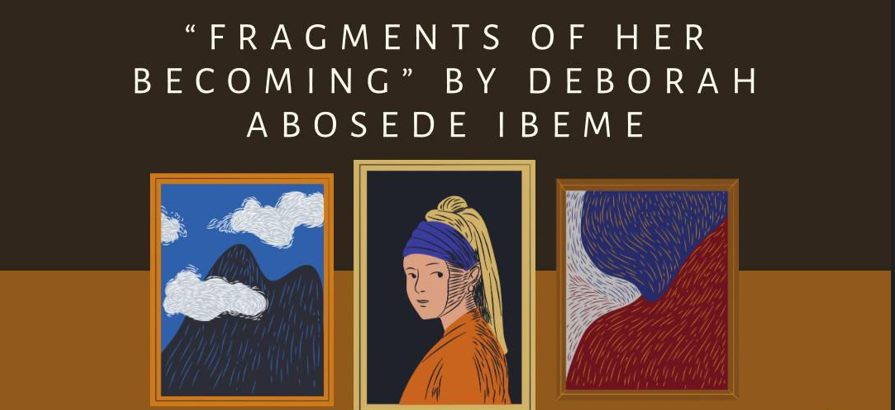
Nigerian artist Deborah Abosede Ibeme is set to unveil her highly anticipated solo exhibition, Fragments of Her Becoming, opening from 3rd to 7th November 2024 at CaslidART Gallery in London. The exhibition presents an intimate and emotionally layered body of work that explores identity, womanhood, healing, memory, and transformation through contemporary visual storytelling. With each piece, Deborah invites viewers into a deeply personal yet universally relatable journey of self-discovery and becoming. Fragments of Her Becoming reflects the emotional fragments people gather through life experiences moments of vulnerability, resilience, growth, and rediscovery. Through expressive compositions, bold symbolism, and textured narratives, the exhibition captures the evolving nature of feminine identity and the quiet strength found within it. Known for creating work that speaks with honesty and emotional depth, Deborah Abosede Ibeme uses art as both reflection and conversation. Her pieces challenge viewers to reconnect with their own stories while embracing the beauty found in imperfection, transition, and emotional truth. “This exhibition is a reflection of the different versions of ourselves we carry through life,” says Deborah. “It is about growth, memory, survival, and the continuous process of becoming.” Set in the heart of London, the exhibition promises an immersive artistic experience for collectors, art enthusiasts, curators, creatives, and members of the public seeking meaningful contemporary art.
Marvic Chijioke Okeugo Joins Photo Garage Lagos Artists Network, Elevating Professional Photography in Nigeria
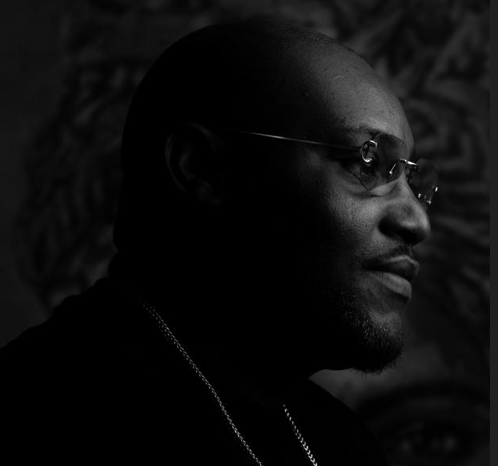
Photographer Marvic Chijioke Okeugo joined the Photo Garage Lagos Artists Network (PGLAN) September 18th 2024, integrating into a professional community committed to fostering excellence, collaboration, and innovation in Nigerian photography. His membership underscores his dedication to advancing visual storytelling and contributing to the growth of the country’s photographic arts sector. Photo Garage Lagos Artists Network serves as a platform for professional photographers across Lagos and Nigeria, offering opportunities for exhibitions, skill development workshops, mentorship, and collaborative projects. The network aims to strengthen the standards of professional photography while providing a platform for emerging and established photographers to engage, innovate, and gain wider recognition. Marvic’s photography aligns with PGLAN’s objectives by capturing cultural narratives, urban experiences, and social realities through compelling imagery. His work demonstrates the power of photography as a medium for storytelling, cultural documentation, and societal reflection. The network features distinguished photographers who have significantly impacted Nigeria’s photography landscape. Notable members include Jide Alakija, renowned for his innovative portraiture and commercial photography; Aisha Augie-Kuta, acclaimed for documenting cultural and social narratives; and George Osodi, whose photojournalistic work captures Nigeria’s socio-political developments. Their achievements reflect PGLAN’s commitment to nurturing professionalism, creative excellence, and social relevance in photography. By joining PGLAN, Marvic Chijioke Okeugo becomes part of a collaborative network that promotes professional growth, mentorship, and the visibility of Nigerian photographers. His membership reinforces his commitment to photography as both an artistic practice and a tool for cultural storytelling, engagement, and the advancement of Nigerian creative arts on national and international stages.
Glory Agbonita Ehizuelen at Africa Hub Fashion Week 2024: Agbons-GL Designs Celebrating Heritage with Modern Grace
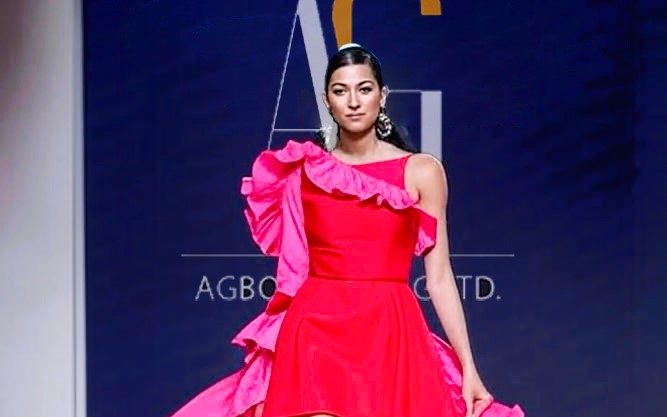
On September 15th, 2024, Africa Hub Fashion Week became a vibrant meeting point of culture, creativity, and innovation and at its center stood Glory Agbonita Ehizuelen, Creative Director of Agbons-GL Design, unveiling a collection that seamlessly fused African heritage with modern sophistication. Glory has carved her place on international runways by staying true to her mission: to tell Africa’s story through fashion while making it resonate globally. At Africa Hub Fashion Week, her showcase reflected that mission with bold clarity. Drawing from indigenous fabrics, intricate prints, and culturally symbolic details, Agbons-GL’s new collection was not just fashion it was a narrative of heritage, resilience, and pride. Each piece represented a conversation between tradition and contemporary elegance, proving that African design is not only relevant but essential to global fashion. The runway came alive with designs that blended strength and femininity. Flowing garments carried rhythm and freedom, earth-inspired tones and bold prints spoke of identity, while tailored silhouettes radiated confidence and timeless appeal. As models walked, the audience wasn’t just admiring clothes; they were experiencing a visual celebration of Africa’s beauty and cultural richness. For Glory, fashion has always been more than fabric. It is a platform for empowerment, sustainability, and cultural preservation. Her Africa Hub showcase underscored the brand’s dedication to ethical design practices, ensuring that creativity doesn’t come at the expense of heritage or the environment. Agbons-GL stands for fashion that uplifts, empowers, and endures. Glory Agbonita Ehizuelen’s showcase at Africa Hub Fashion Week 2024 was a defining moment not just for her brand, but for African fashion on the global stage. Her ability to honour heritage while embracing modernity has made her a voice of influence, reminding the world that African fashion is not a trend but a timeless force of creativity and identity. Agbons-GL Design continues to write Africa’s story through fashion bold, proud, and without end.
A Lagos Leather Brand Is About to Show at London Fashion Week. Pay Attention
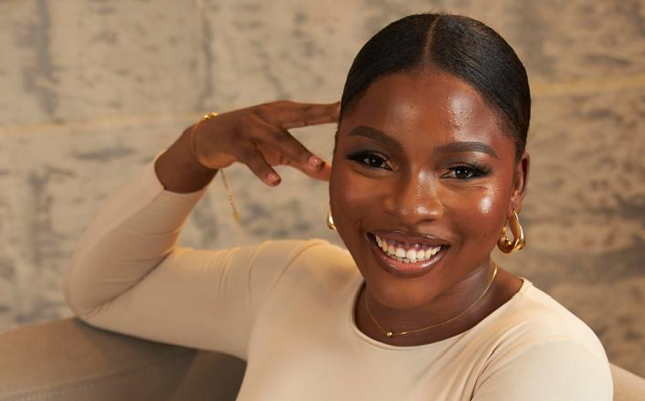
London Fashion Week turns forty this September. Four decades of shows, and of careers launched. Also of directions changed and the city insisting, sometimes against the odds that it has something to say about what the world wears and how it wears it. The anniversary edition is being marked with the kind of self-conscious significance that milestone numbers produce. Retrospectives. Returning designers. The particular energy of an institution taking stock of itself. Into this anniversary moment, Vanity Hub Africa is bringing something the forty-year record has not always included: African luxury, properly presented, on the official London Fashion Week stage. The collaboration between Vanity Hub Africa and London Fashion Week has been building. This is not its first edition anyway, but the September 2024 showcase, at the Grand Connaught Rooms in Covent Garden, is its most significant yet. And among the brands participating is one from Lagos that anyone following the African luxury accessories conversation should already know. Paciencia. Joy Fache James. Handcrafted leather bags made in Nigeria, showing in London, this September. For those who do not yet know the bags: they are handcrafted in Lagos from real Nigerian leather, built around a handwoven leather detailing that is the brand’s visual signature, immediately recognisable, handmade, genuinely impossible to replicate mechanically without losing what makes it distinctive. The silhouettes are minimalist and architectural with leather-lined interiors. Paciencia has been building steadily, multiple appearances at the Aberdeen Fashion Week in Scotland in 2022, the Emmy Kasbit runway at Lagos Fashion Week in 2023, Cheshire Fashion Week in June this year, and specifically in the UK, the brand has grown its market organically for two years before this London Fashion Week appearance. Customers in Britain have been purchasing Paciencia bags through the direct-to-consumer platform. So we can say that the London Fashion Week is not the brand’s introduction to the UK but its escalation. The Vanity Hub Africa platform is the right frame for this. Lady Ayobami Animashaun has built Vanity Hub Africa into a genuine curatorial force, a platform that presents African luxury designers to international audiences not as an exotic category but as what they actually are, which is serious creative practitioners with serious design propositions. The 40th anniversary edition of London Fashion Week is the right moment for that argument to be made at maximum volume. What I am watching for specifically is how the Paciencia pieces hold in a London room. The brand has proven it travels. Aberdeen in 2022 confirmed that the design language is legible to a British fashion audience without cultural translation. Cheshire in June confirmed it again. What London adds is scale and institutional weight. The Grand Connaught Rooms in Covent Garden during London Fashion Week is not a regional showcase. It is a room where the international press, the buyers, and the collectors who shape what the global luxury conversation becomes are paying attention. Paciencia will be in that room next month. Unchanged from what it is in Lagos. The same leather, and the weave too. That, in a room that sometimes asks African brands to adjust themselves for international consumption, is the most interesting thing about it. I will be there. I will report back.
Joy Fache James on Design, Trust, and Building an International Brand
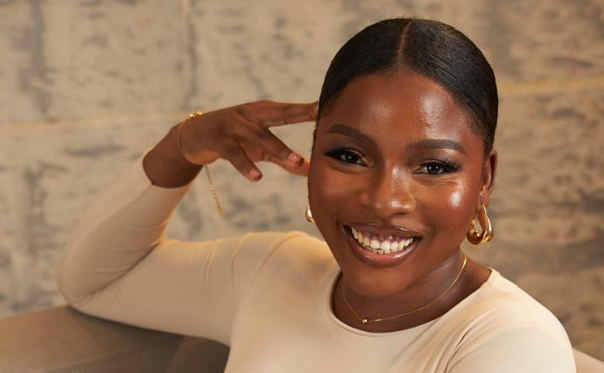
After her second British fashion week appearance, Joy Fache James reflects on craftsmanship, confidence, customer trust, and growing Paciencia globally.