
Mercy Eke Graduates With MBA From University of Sunderland in London
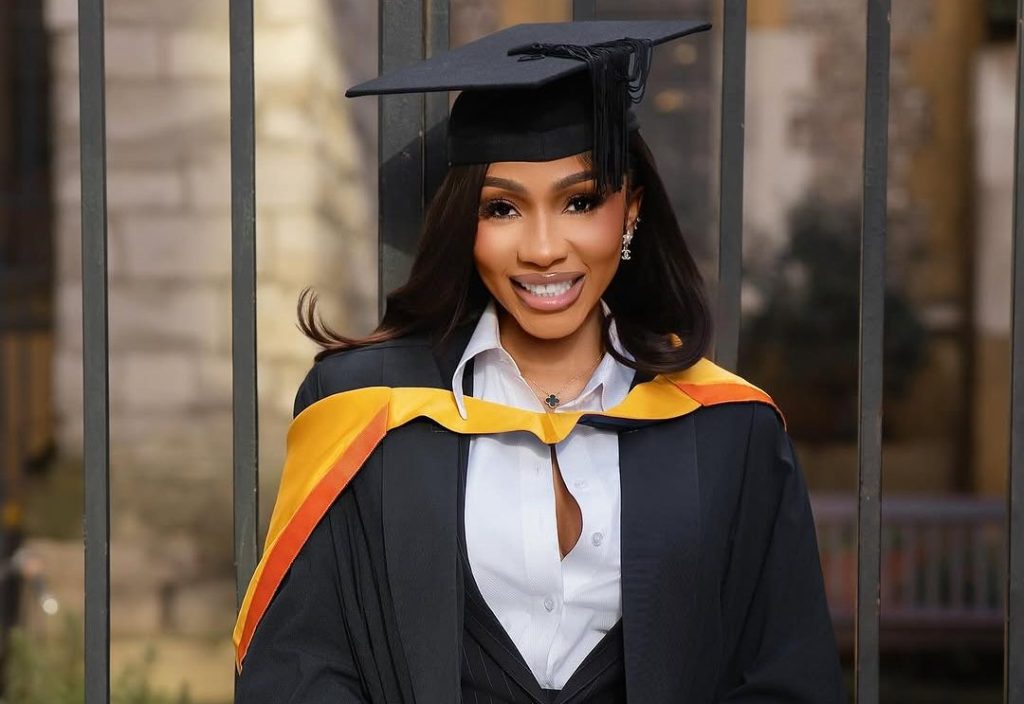
Reality TV star and entrepreneur Mercy Eke celebrates earning her MBA from the University of Sunderland, graduating at a ceremony held at Southwark Cathedral in London.
Fathia Williams Celebrates Her Birthday in Two Distinct Looks
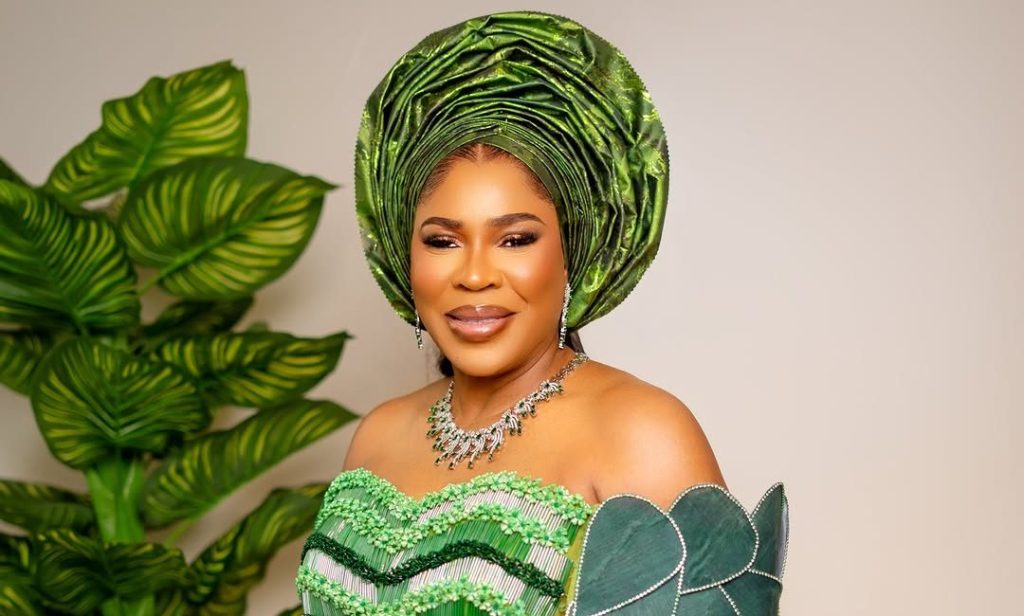
Birthdays often invite reinvention, and Fathia Williams chose to mark hers not with a single statement, but with two distinct expressions of celebration—each reflecting a different mood, yet united by intention. The first look leans into tradition. Williams appeared in a rich emerald green aso-oke ensemble, featuring an off-shoulder beaded bodice with soft puff sleeves and a fitted waist that flowed seamlessly into a sequin-detailed skirt. A matching gele framed the look, while a bold diamond necklace added a polished finishing touch. The result was classic celebratory dressing—structured, regal and unmistakably festive. For her second appearance, Williams shifted the narrative entirely, trading ceremonial texture for contemporary sparkle. A crystal-embellished denim jacket with ruched sleeves, paired with a coordinating mini skirt, transformed the everyday fabric into a spotlight-ready statement. Styled with statement jewellery and voluminous curls, the look carried a playful confidence that balanced the refinement of the earlier ensemble. Alongside the images, the actress shared a reflective caption centred on gratitude, faith and the promise of new beginnings—allowing the message, much like the styling, to remain intentional rather than excessive. Together, both looks formed a cohesive birthday portrait: one grounded in heritage, the other in modern expression, each capturing a different side of celebration.
Tesglam Sets Guinness World Record With 146-Hour Makeup Marathon in Lagos
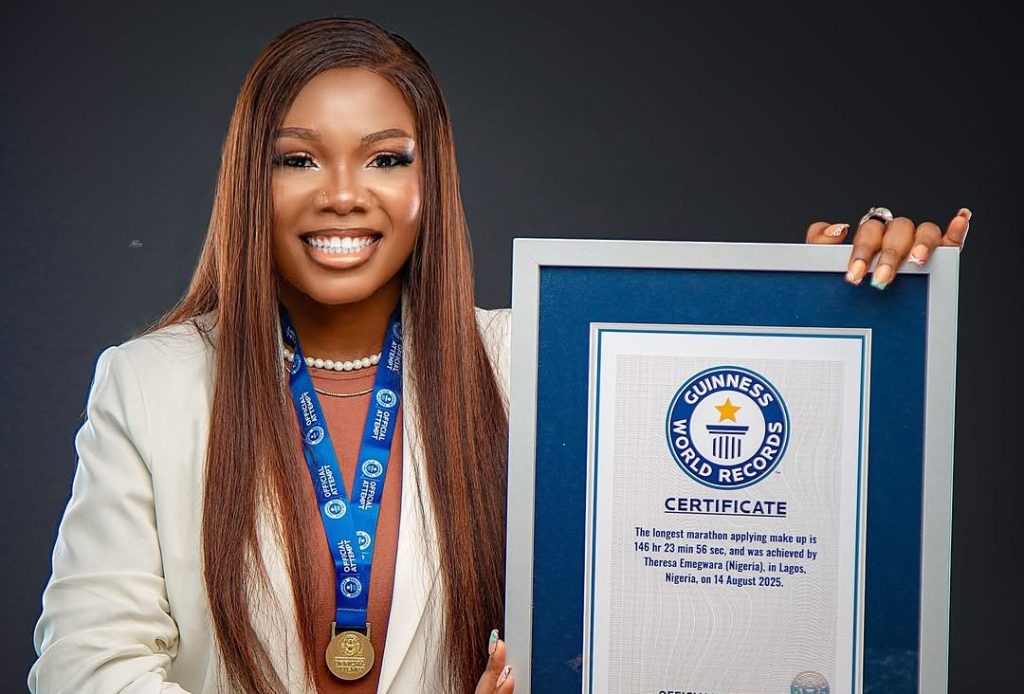
Nigerian makeup artist Tesglam (Theresa Emegwara) earns Guinness World Records confirmation after completing a 146-hour continuous makeup marathon in Lagos, surpassing the previous global record.
Chioma Adeleke’s Nguyen Cong Tri Gown Delivered Quiet Drama at the 2026 Grammys
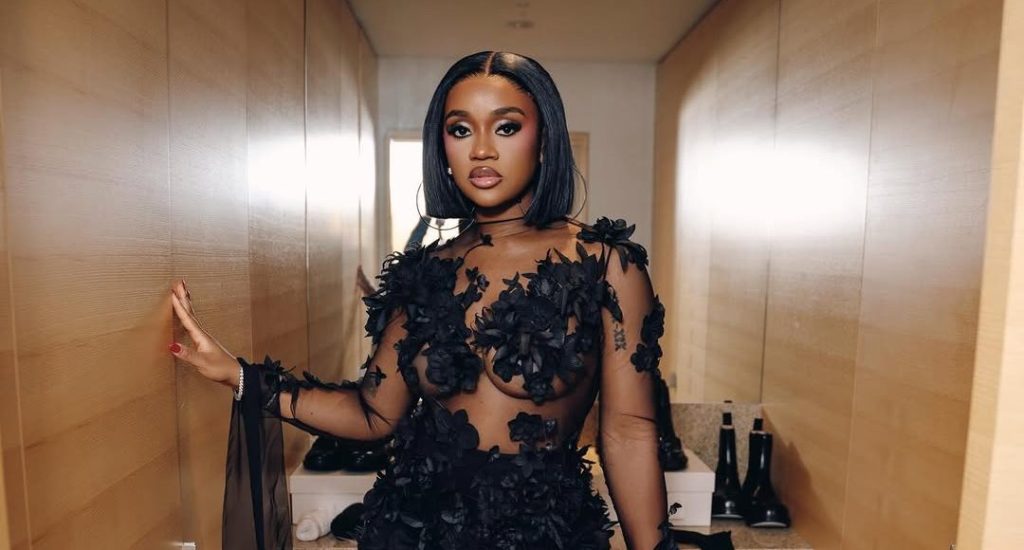
Chioma Adeleke attended the 2026 Grammy Awards in a custom floral gown by Nguyen Cong Tri, styled with Christian Louboutin heels and Justine Clenquet jewellery for a look defined by understated elegance.
Veekee James Blossoms in Stunning Nature-Inspired Maternity Shoot
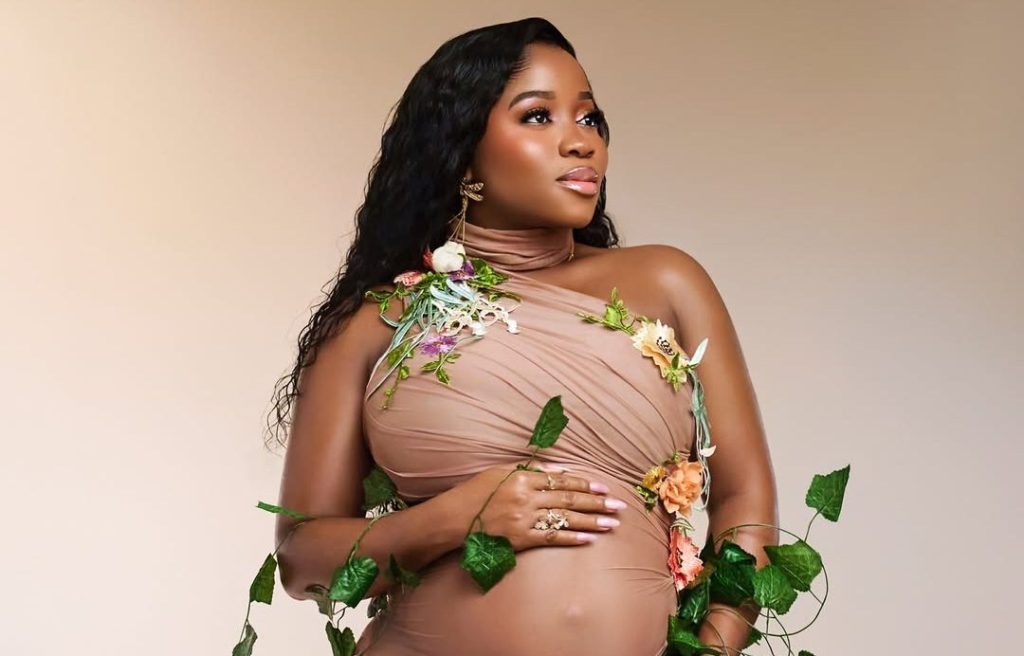
Fashion designer Veekee James embraces her “hot preggy era” in a lush garden-inspired maternity shoot, featuring a nude ruched gown adorned with floral accents and ivy.
Ugo Ugochukwu Crowned 2026 Formula Regional Oceania Champion | Motorsport Star
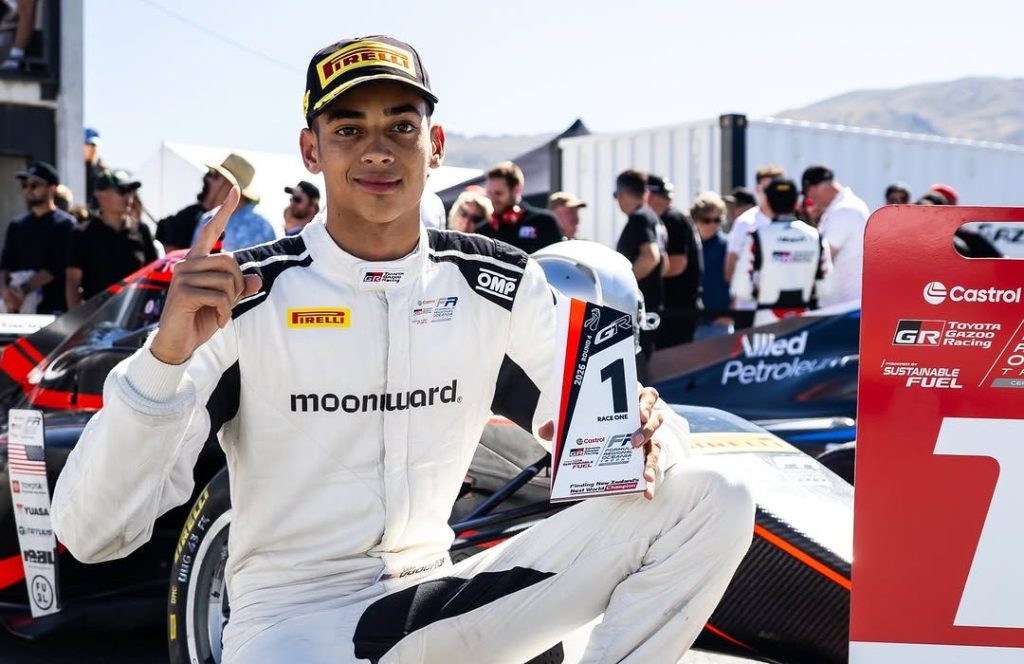
Nigerian-American race driver Ugo Ugochukwu clinches the 2026 Formula Regional Oceania Championship in New Zealand, overcoming setbacks to dominate the season with 4 wins and 326 points.
Kai Cenat Returns to Lagos for $5M Makoko School Project & Meets Governor Sanwo-Olu

American streamer Kai Cenat meets Governor Babajide Sanwo-Olu in Lagos and advances his $5 million school project for Makoko children. Discover updates on the relocated Yaba school and free education initiative.
Rhode Skincare Launch 2026: Hailey Bieber’s Caffeine Reset & Peptide Lip Boost
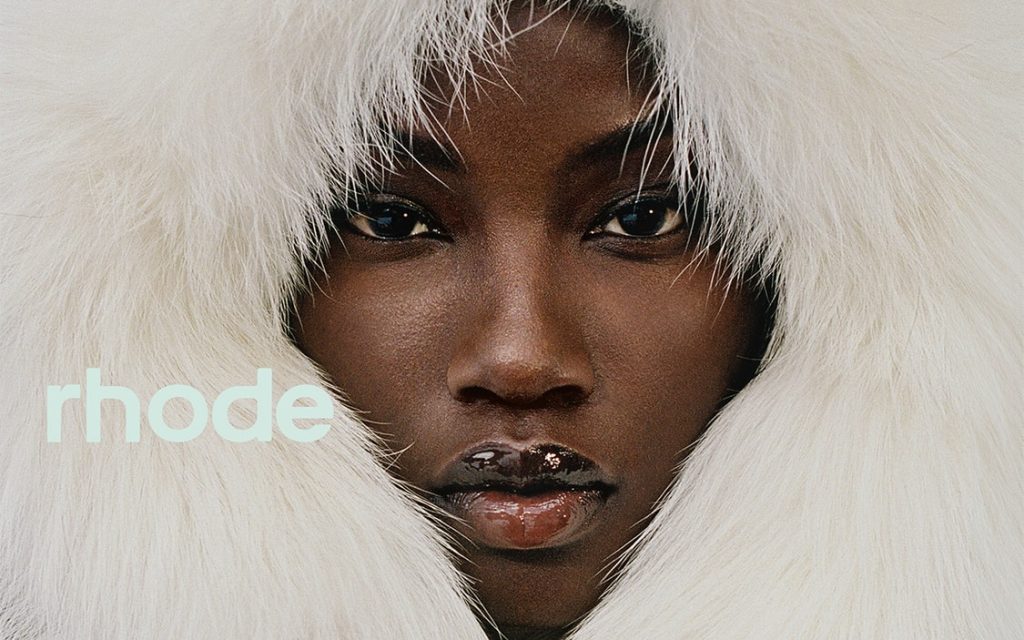
Discover Rhode’s latest beauty launches: the Caffeine Reset sculpting face mask and Peptide Lip Boost plumping lip mask by Hailey Bieber. Shop Anok Yai’s campaign favorites, available February 9, 2026.
DEBUTE “Two of Hearts” Valentine’s 2026 Capsule | Mini Dress Collection

DEBUTE launches its Valentine’s 2026 capsule, “Two of Hearts,” featuring flirty mini dresses in red, pink, and black. Shop the iconic Tallulah dress rework, worn by Alexa Chung, Sienna Miller, and Adwoa Aboah
Shaboozey Makes History at the 2026 Grammys With Groundbreaking Win

The 68th Annual Grammy Awards may have wrapped, but some victories linger far beyond the applause, reshaping conversations and recalibrating cultural narratives. Among the most resonant moments of the night was the historic win by Nigerian-American artist Shaboozey, a triumph that felt as emotional as it was symbolic. Born Collins Obinna Chibueze, Shaboozey claimed the Grammy for Best Country Duo/Group Performance for “Amen,” his faith-rooted collaboration with Jelly Roll. The win marked his first-ever Grammy, but more significantly, it cemented his place as a boundary-breaker, an artist whose work refuses to sit neatly within one genre, one heritage, or one expectation. Shaboozey’s rise has been defined by contradiction and convergence: country music filtered through hip-hop cadence, Americana reframed by West African roots, tradition colliding with modernity. His Grammy moment felt less like an arrival and more like a reckoning proof that country music’s evolving identity now has room for voices once considered peripheral. That emotional weight carried seamlessly onto social media. In a series of Instagram images, one particularly striking shot showing the artist flashing his grill while clutching the gold gramophone, Shaboozey distilled the magnitude of the moment into raw gratitude. He described the win as a wave of emotions, real tears, and an overwhelming sense of disbelief, thanking the Recording Academy for recognising “a Virginia boy and child of an immigrant.” The gravity of the night deepened during his acceptance speech at the Peacock Theater. Fighting back emotion, he revealed that his mother had retired that very day after 30 years as a nurse, often juggling multiple jobs to support her five children. His dedication expanded beyond family, transforming into a powerful ode to the immigrant experience. “This is for all children of immigrants,” he said. “For those who came to this country searching for opportunity… You bring your culture, your music, your stories. You give America colour.” It was a moment that transcended the ceremony, one that reframed the Grammy stage as a space for testimony, not just trophies. For those newly discovering Shaboozey, his story is as layered as his sound. His stage name, a playful reinterpretation of Chibueze; an Igbo name meaning “God is King” was coined by a high school football coach who couldn’t quite pronounce it. Though born in northern Virginia, he spent formative years at boarding school in Nigeria, an experience that sharpened his bicultural lens. He has since made chart history as the first Black male artist to top both the Billboard Hot 100 and Hot Country Songs charts simultaneously with “A Bar Song (Tipsy).” And before his Grammy win, his creative chemistry with Beyoncé on Cowboy Carter positioned him as a quiet disruptor long before the mainstream caught on.