I. THE EYE THAT WAS ALWAYS THERE
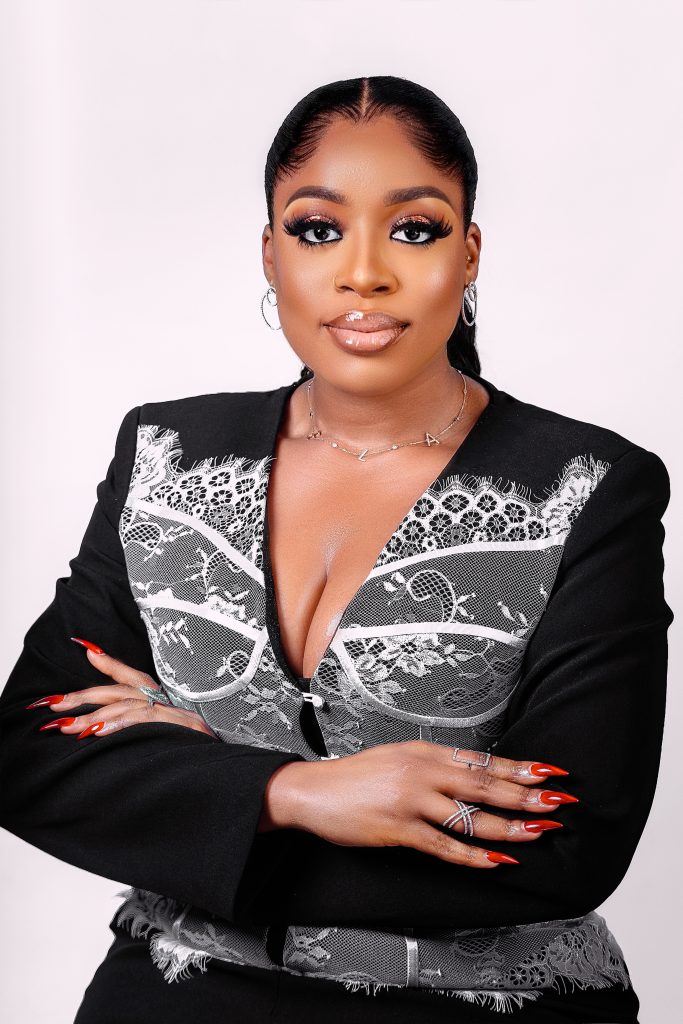
Long before TheEllamoBrand existed as a platform, there was simply a young woman with an obsessive eye for beauty and an intimate knowledge of how clothes make a person feel seen.
Olubukola Adenugba came of age at the intersection of two worlds: the rich visual culture of Nigeria, where fabric is ceremony and dress is identity, and the creative energy of the United Kingdom, where an MSc in Digital Marketing from London sharpened an innate aesthetic intelligence into professional discipline. But it was the years spent working directly at the creative frontline – as a stylist, as a collaborator, as someone who stood between talent and the camera and understood in real time what a look communicates before a word is spoken – that made her a creative force worth watching.
| Fashion, for me, was never about clothes. It was always about the story a person needed to tell the room before they opened their mouth. |
II. THE CREATIVE COLLABORATOR
What distinguishes Olubukola Adenugba from a curator or a retailer is a methodology she developed working directly with African designers at the design and production stage – not merely selecting from existing lines, but contributing to the conception of pieces that speak with what she calls dual fluency: rooted in African aesthetic tradition, crafted for a body and a lifestyle that straddles continents.
This collaborative approach is where her creative talent becomes genuinely exceptional. Co-creation at this level – sitting within ateliers, translating the desires of a diaspora customer into garments that neither dilute nor exoticise their origins – demands cultural intelligence and creative sensitivity that is rare at any stage of a career, let alone an emerging one.
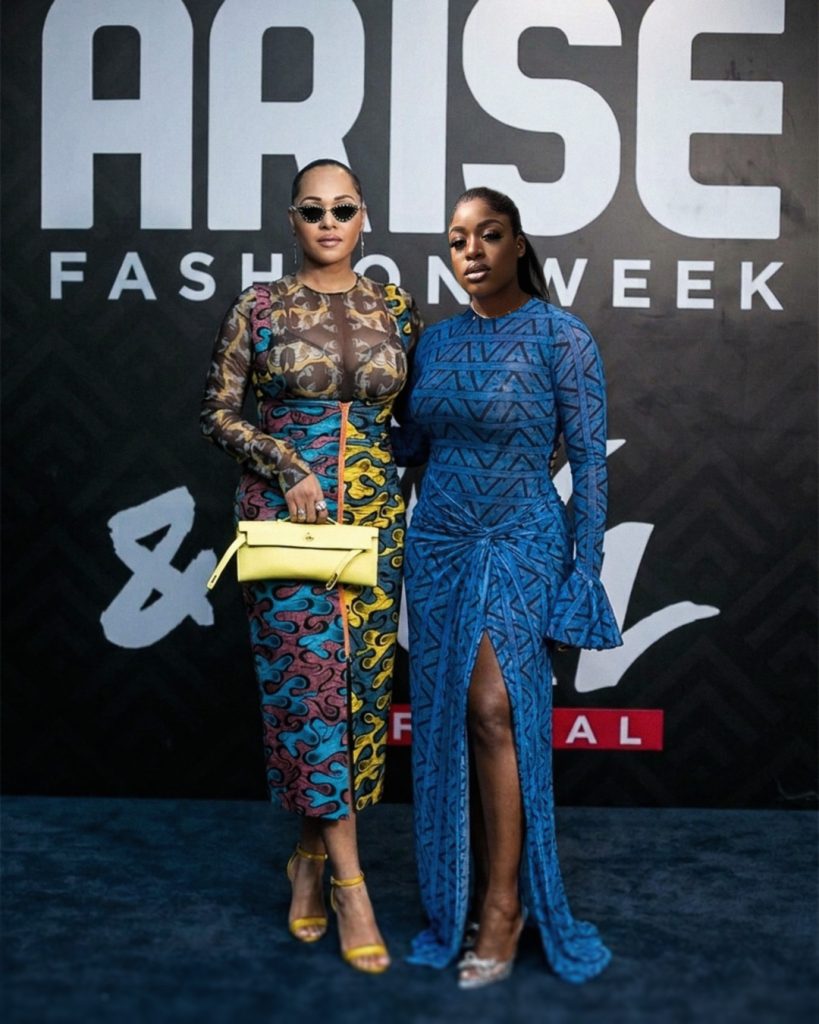
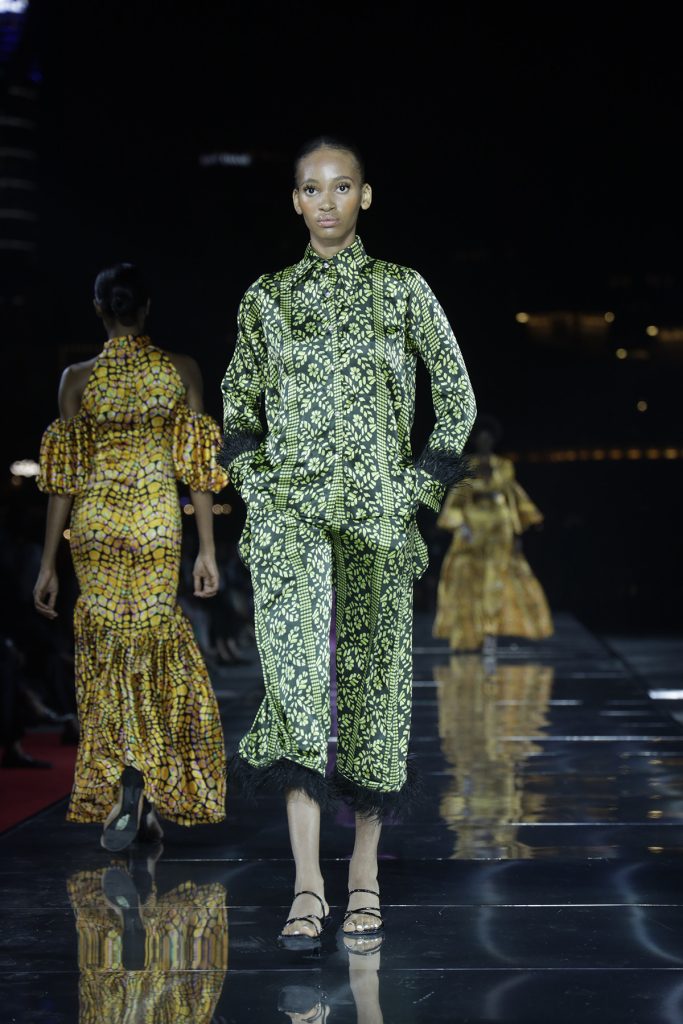
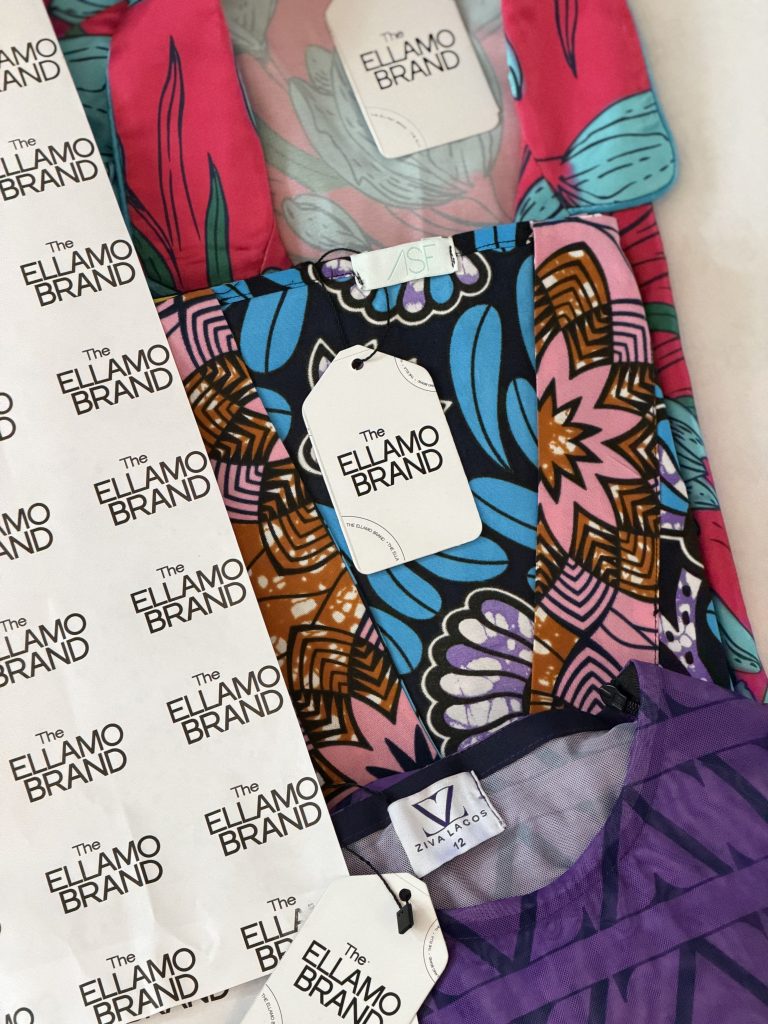
Her collaborative work with Tania Omotayo’s Ziva Lagos – a label whose footprint spans Arise Fashion Week and UNESCO-affiliated platforms in Paris – is the clearest evidence of this. These are not transactional relationships. They are creative partnerships built on mutual respect and a shared conviction that African fashion at its finest deserves to be presented to the world without apology. The garments that emerge from this collaboration carry a specificity of cultural reference and a quality of finish that speaks to exactly the kind of creative rigour the global fashion conversation around Africa has been demanding.
| I don’t sell products. I build bridges between a designer’s vision and the person in London or Toronto who has been waiting their whole life to wear it without having to explain why it matters. |
III. BUILDING THE INFRASTRUCTURE
TheEllamoBrand operates with editorial discipline rather than marketplace sprawl. Every brand on the platform is vetted against three criteria that reflect years of creative formation: authenticity, craftsmanship, and cultural integrity. The result is a considered edit – one that reflects a trained creative sensibility rather than an algorithm.
This is not passive aggregation. It is an active curatorial intervention in an industry where the gap between extraordinary African design talent and the diaspora audiences hungry for it has persisted for too long. Her platform has attracted recognition from some of the most credible voices in the African fashion and creative industry. Tania Omotayo of Ziva Lagos has spoken of the significance of Adenugba’s work. Bellafricana – the foremost community platform for African creative entrepreneurs, whose institutional reach extends to Lagos State Government, DHL, and an annual showcase in the United Kingdom – counts Olubukola as a member and has recognised her platform’s contribution to the wider African creative economy. These are not casual endorsements. They are assessments from people who understand the industry from the inside.
| She is not building a business. She is building the conditions under which African fashion can finally be seen the way it has always deserved to be seen. |
IV. THE DEEPER WORK
The most telling measure of a creative leader’s vision is what they do when the commercial case has already been made. For Olubukola, the answer has been to go into schools.
Her community engagement programme – workshops and school visits across the UK – introduces young people to the history of African textiles, the ceremonial significance of dress in African culture, and the living tradition of African fashion craftsmanship. In a country where the African diaspora represents one of the most culturally invested yet commercially underserved fashion audiences in the world, this work is both an act of cultural reclamation and a long-term investment in the next generation of creative talent.
V. THE CRITICAL VERDICT
What Olubukola Adenugba has built deserves to be assessed on its merits rather than its promise – because the merits are already there. The platform’s curation standard is demonstrably rigorous. The co-creation methodology is genuinely distinctive. The commercial relationships she has built with established names in African fashion are real and documented. And the community engagement work adds a dimension of social purpose that the most serious fashion voices increasingly require of the brands they champion.
African fashion’s global moment has arrived. The question was never whether the talent existed – it always did. The question was always who would build the infrastructure to carry it. On the evidence of what TheEllamoBrand has already delivered, Olubukola Adenugba is one of the people building it – and she is doing so with a standard of creative and cultural integrity that the industry should be watching closely.