There’s a certain poetry in seeing Sarah Jessica Parker still flirting with handbag chaos decades after Carrie Bradshaw’s infamous “It’s a baguette” moment. At the 2025 Booker Prize Ceremony in London, Parker—forever the fashion protagonist both on and off screen—stepped out with a Fendi Peekaboo left deliberately open, its pink pailette interior shimmering with mischief.
The bag, crafted in supple brown leather with gold hardware and a single top handle, was less an accessory and more an aesthetic statement—a love letter to imperfection, to the undone, to the quietly rebellious idea that luxury need not be zipped shut. Her choice felt like performance art: an open invitation to nostalgia and newness all at once.
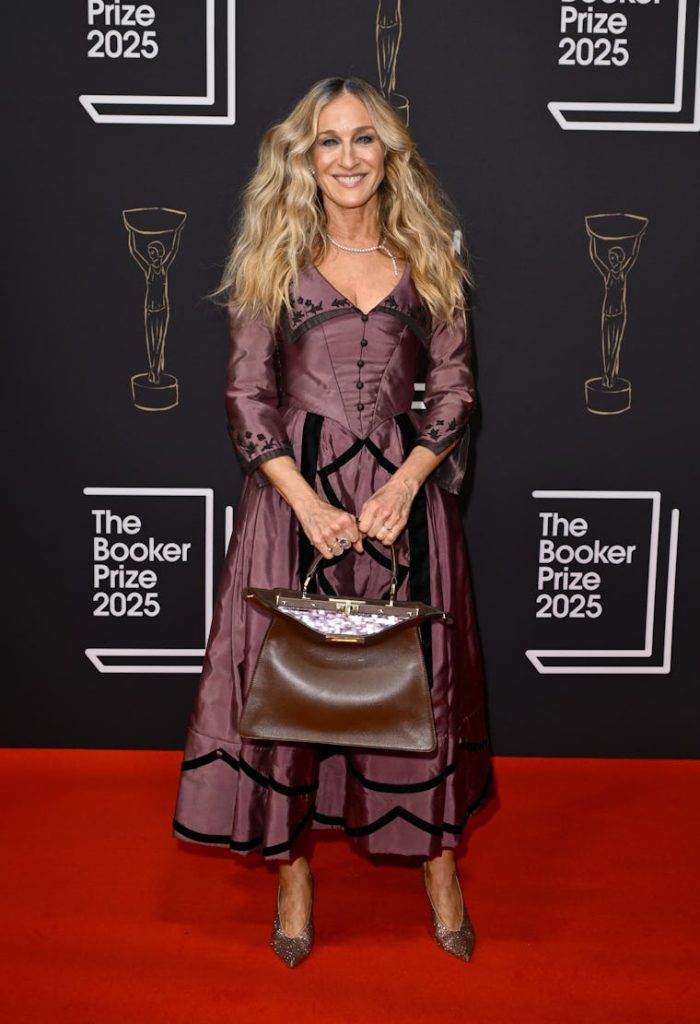
Photo: Getty Images
Paired with a Victorian-inspired dress, sequined heels, and those unmistakable teased curls, Parker’s look whispered of another fashion mood entirely—what the runways have lately dubbed “pickpocket chic.” From Dior’s unfastened top-handles to Loewe’s undone Amazona bags and Dilara Fındıkoğlu’s chaotic, memory-stuffed purses, designers are embracing a kind of studied vulnerability. Bags gape open like unsent love letters; contents spill out in deliberate disarray.
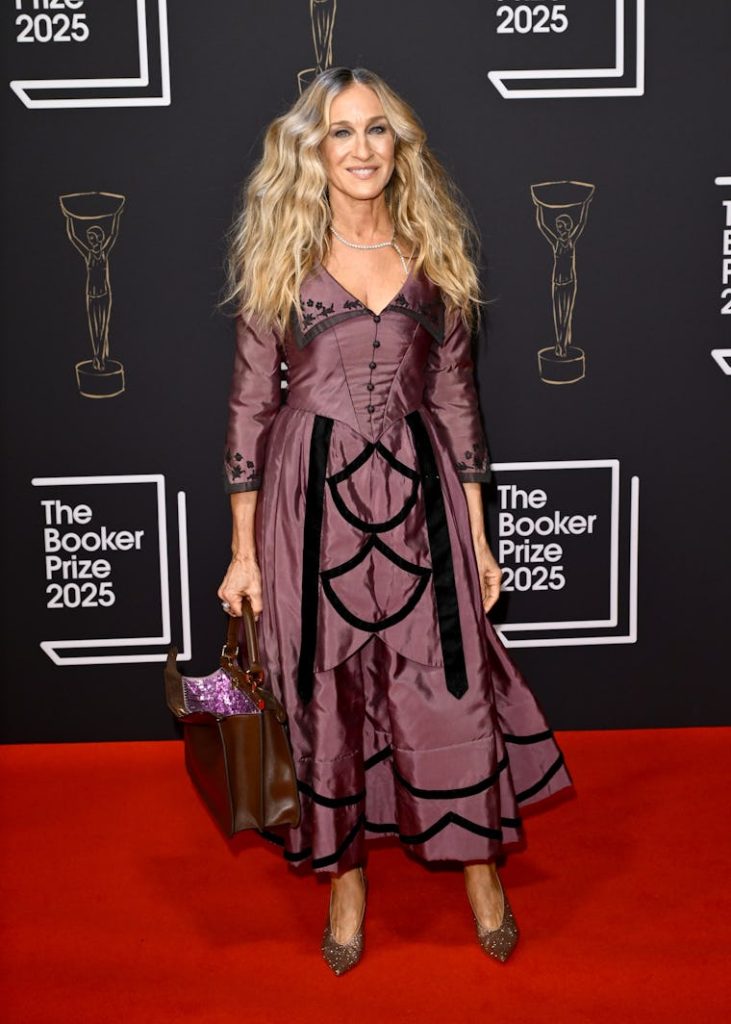
Photo: Getty Images
At Fendi, Silvia Venturini Fendi leaned into this tension with the Peekaboo’s design—structured yet spontaneous, work-ready on the outside but playfully decadent within. It’s a study in duality, much like Parker herself: elegance and ease, discipline and whimsy, Carrie and Sarah.
The open handbag, in this new fashion philosophy, becomes less about security and more about storytelling. What we choose to expose says as much as what we choose to conceal. Parker’s Peekaboo, with its hidden sequins glinting like secrets under soft lighting, captures that beautifully.
Whether “pickpocket chic” will translate from red carpet to real life remains to be seen. But perhaps that’s not the point. Sometimes fashion isn’t about practicality—it’s about permission. Permission to be imperfect, to leave things slightly ajar, to let a little light (and a little risk) in.