
“I have to be a statue.” And she meant it.
For the Met Gala 2026 theme “Fashion is Art,” Anok Yai didn’t just interpret the brief she embodied it.
Her first reaction to the theme was immediate and decisive: she wanted to become a statue. That idea quickly evolved into a direct creative collaboration with Pierpaolo Piccioli, the newly installed creative director at Balenciaga. The pitch wasn’t subtle. A mood board, a message, and by her own admission a bit of begging. The answer, unsurprisingly, was yes.
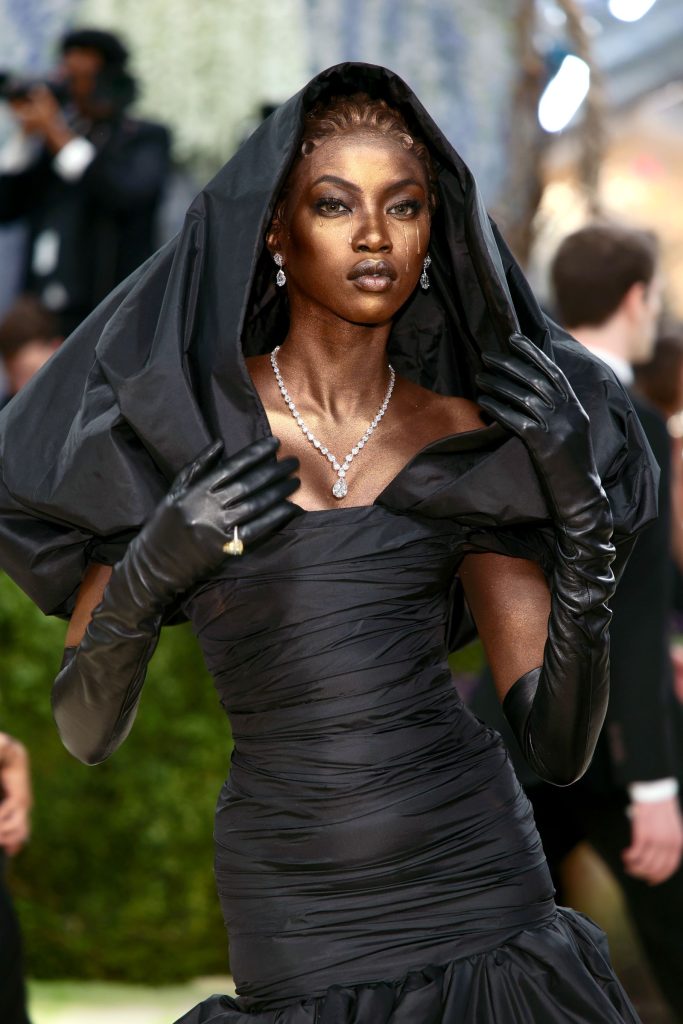
Together, they anchored the concept around the Black Madonna, a reference drawn from religious iconography often found in European cathedrals, reimagined here through a contemporary fashion lens. The intention wasn’t just aesthetic. It was symbolic.
“In the climate that we’re living in right now, we need hope,” Yai said on the day. “Being the Black Madonna in a Trump world is going to send that message.”
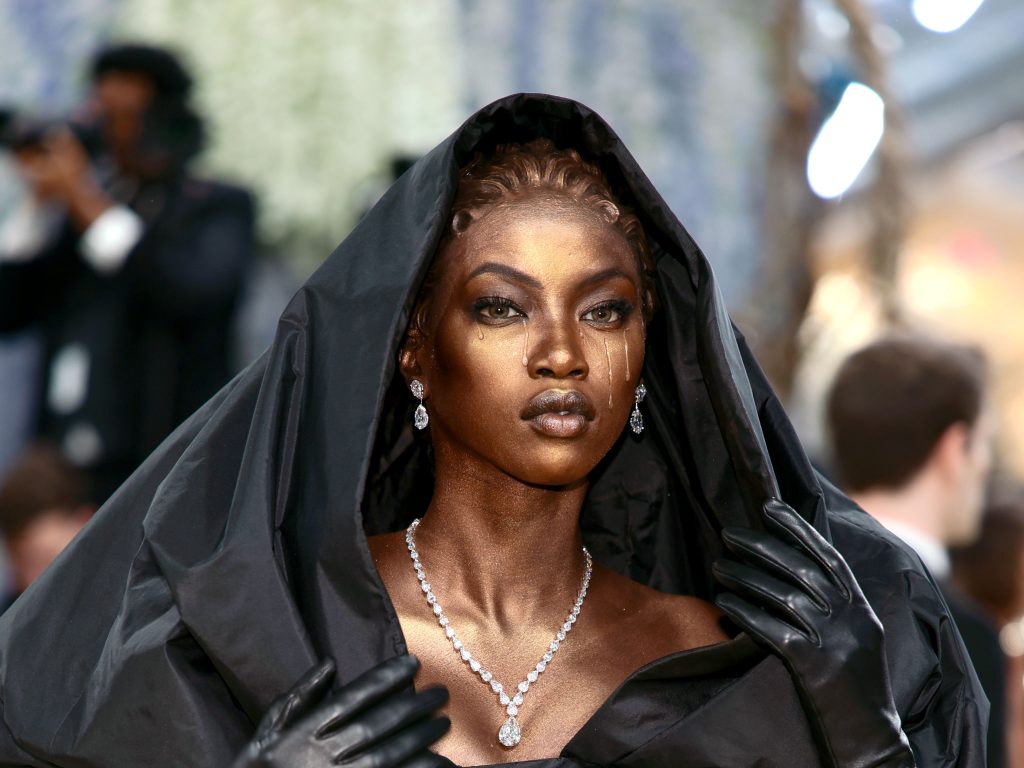
The final look pushed beyond garment design into full transformation. With prosthetics integrated into the styling, Yai leaned into the idea of becoming something closer to sculpture than person. Her direction was clear: not human, but enduring.
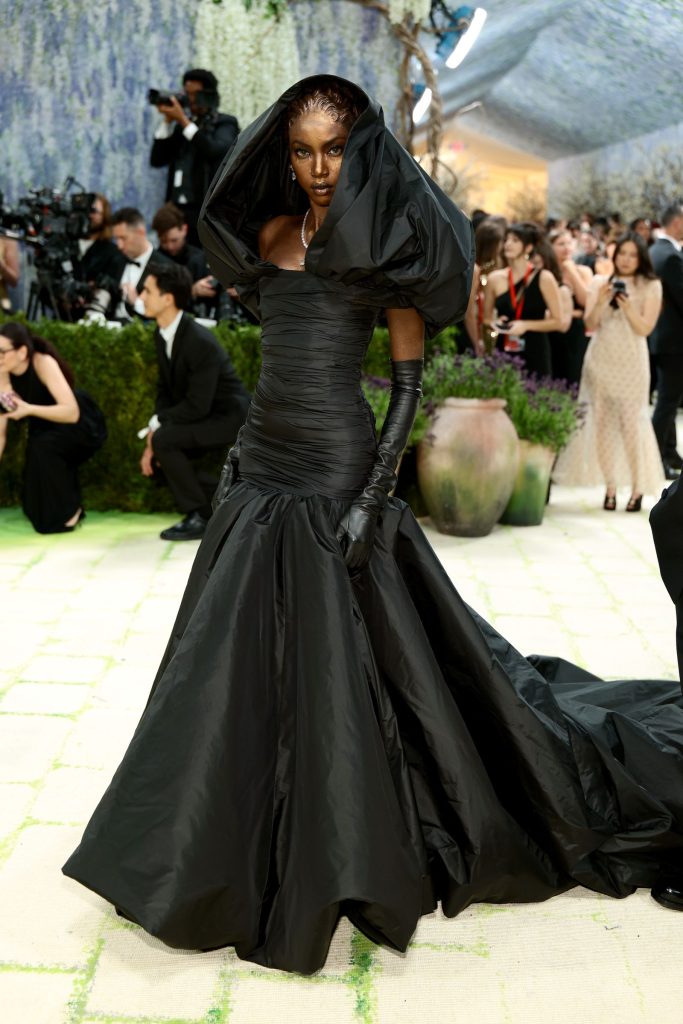
“I don’t want to look like a human being,” she explained. “I want to look like a walking statue.”
The shift feels especially significant in the context of her recent years. After a widely discussed health struggle and emergency surgery, followed by being named Model of the Year at the Fashion Awards, her Met Gala appearance reads less like reinvention and more like continuation, an assertion of presence after vulnerability.
Once discovered from a chance moment that has since become fashion folklore, Yai has consistently occupied the space between image and identity. On this night, that space narrowed.