
Tennis has long been a sport built around big matches, Grand Slam trophies and unforgettable moments on court. But these days, an athlete’s influence doesn’t stop when the match does.
Social media has completely changed how modern tennis stars connect with audiences, giving female players a direct line to millions of fans around the world. Instagram, in particular, has become an extension of their careers, allowing them to share everything from tournament life and training sessions to fashion campaigns, business ventures and moments away from the court.
For some players, that digital influence has become almost as powerful as their sporting achievements. And the numbers tell the story.
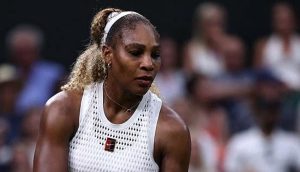
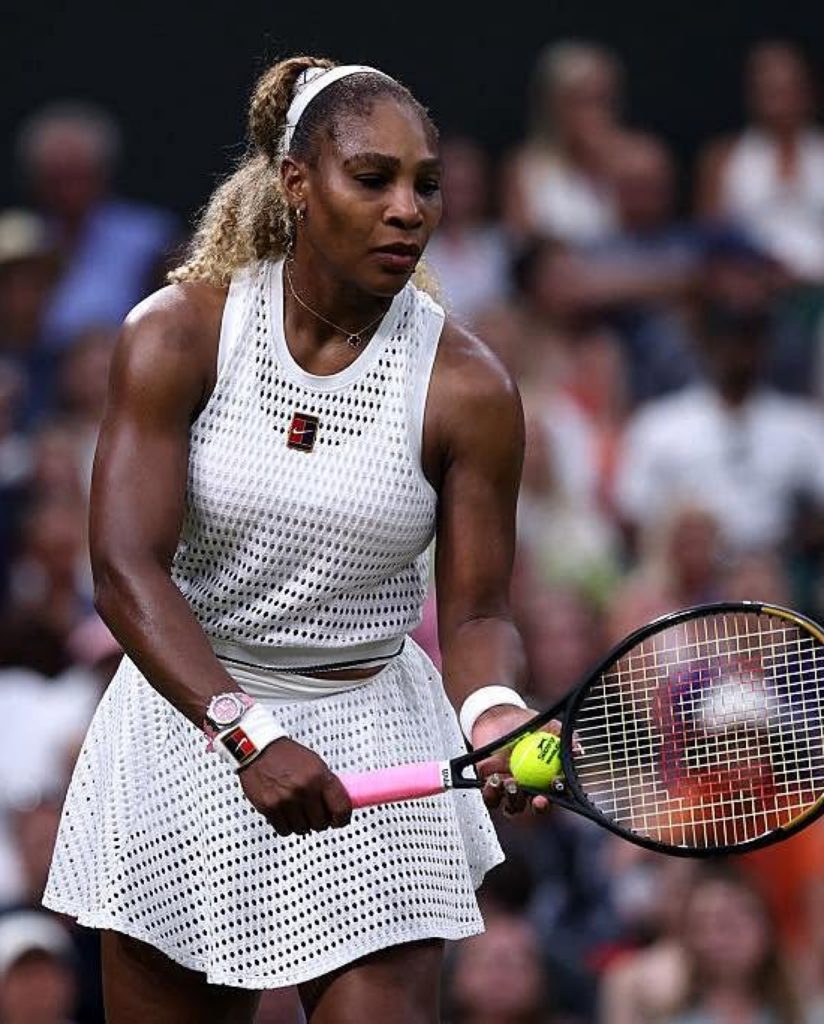
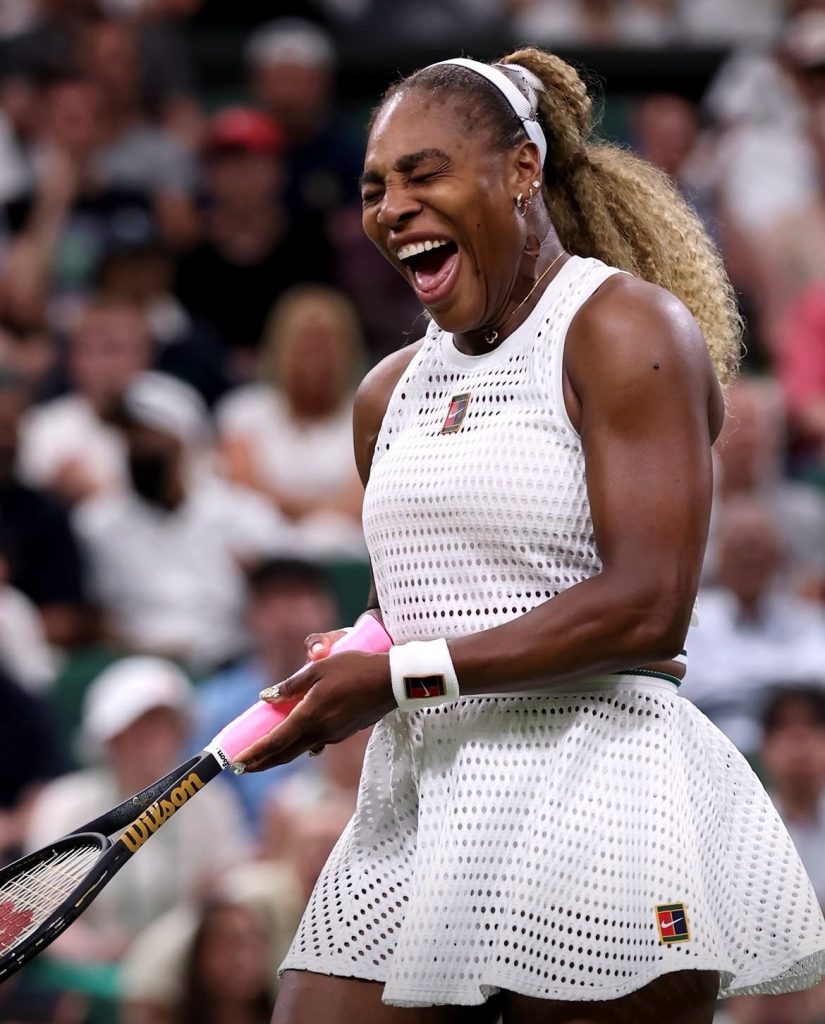
Serena Williams remains in a league of her own with 17.8 million Instagram followers. Widely regarded as one of the greatest athletes of all time, Williams built her enormous audience during a career that included 23 Grand Slam singles titles. Retirement hasn’t slowed her digital influence either. Through her investment ventures, fashion projects and lifestyle brand, she has successfully turned her name into a global business empire, keeping her audience engaged long after leaving professional tennis.
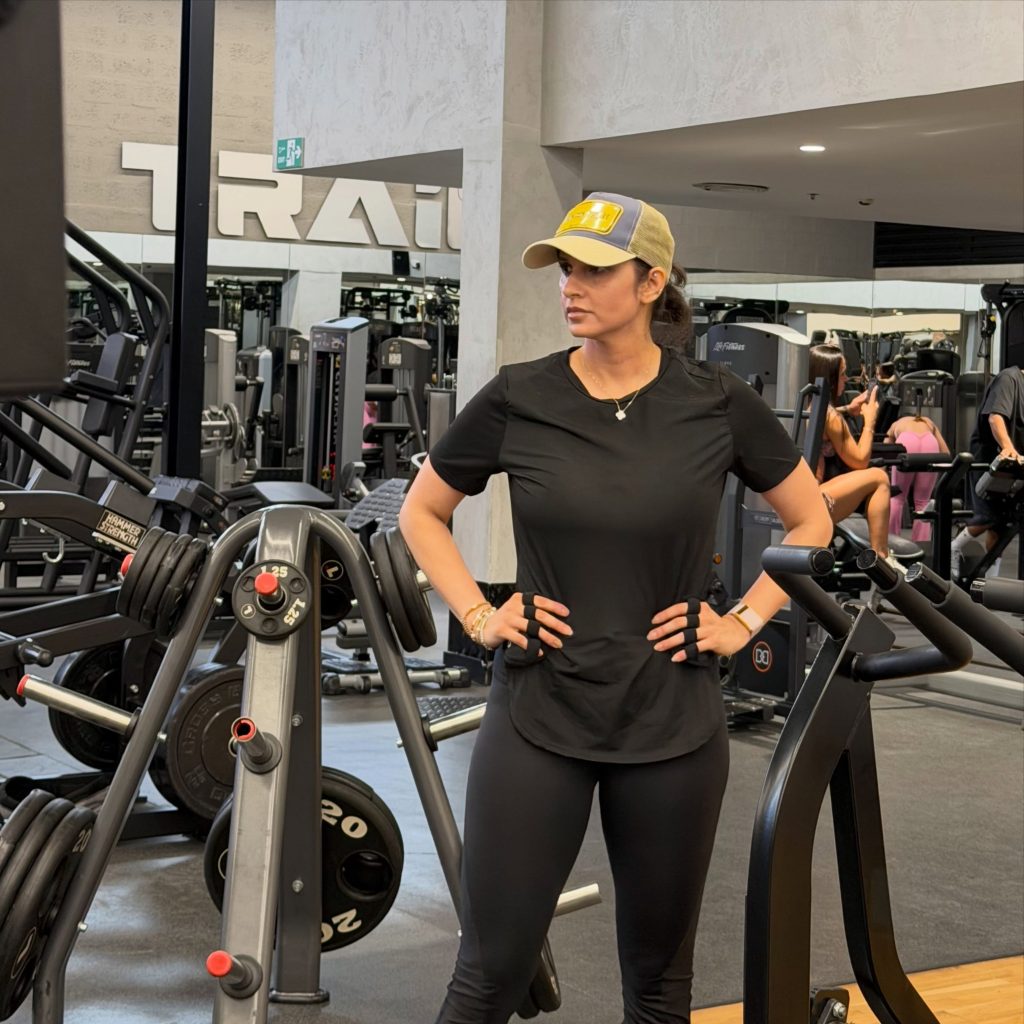
India’s Sania Mirza follows with 12.5 million followers. The six-time Grand Slam doubles champion became one of the most recognisable female athletes in South Asia, helping raise the profile of women’s tennis in the region. Since retiring from professional tennis, Mirza has remained firmly in the public eye through television, lifestyle projects, fashion appearances and brand partnerships, giving her social media presence plenty of momentum beyond the court.
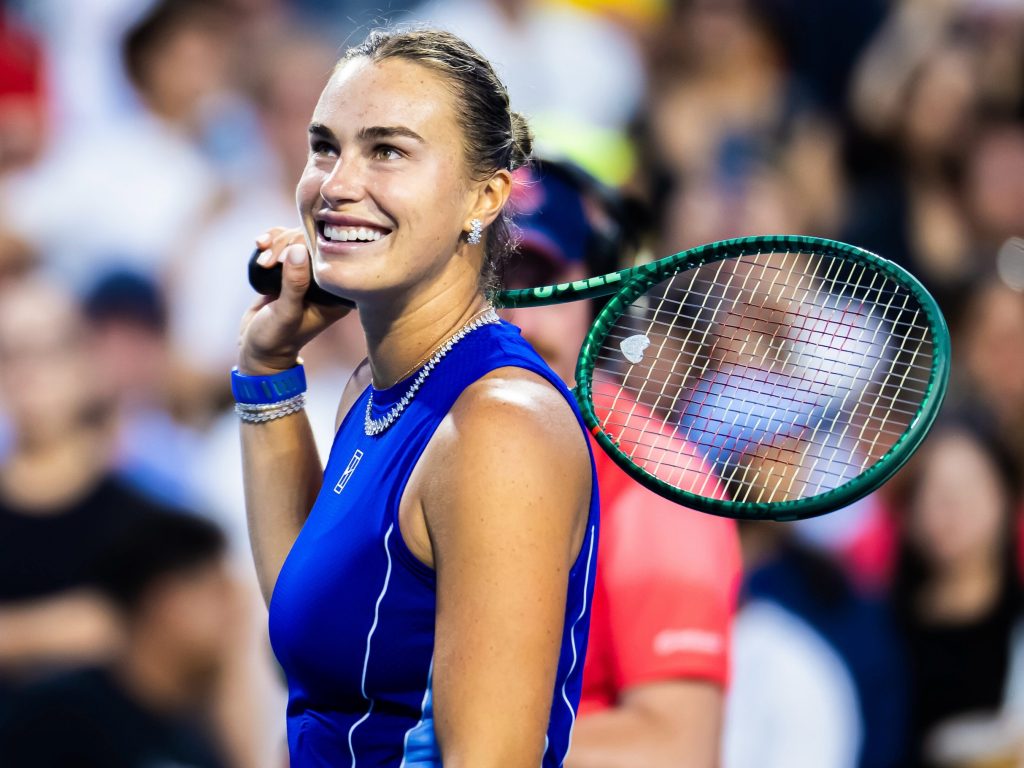
Aryna Sabalenka has emerged as one of the fastest-growing names on the list, with 5.5 million followers. The Belarusian star became the first active WTA player to surpass five million Instagram followers, with her recent Grand Slam success and rise to World No. 1 helping push her profile to another level. Her social media also gives fans plenty of access to her personality, from tournament moments and training content to more candid glimpses of life away from competition.
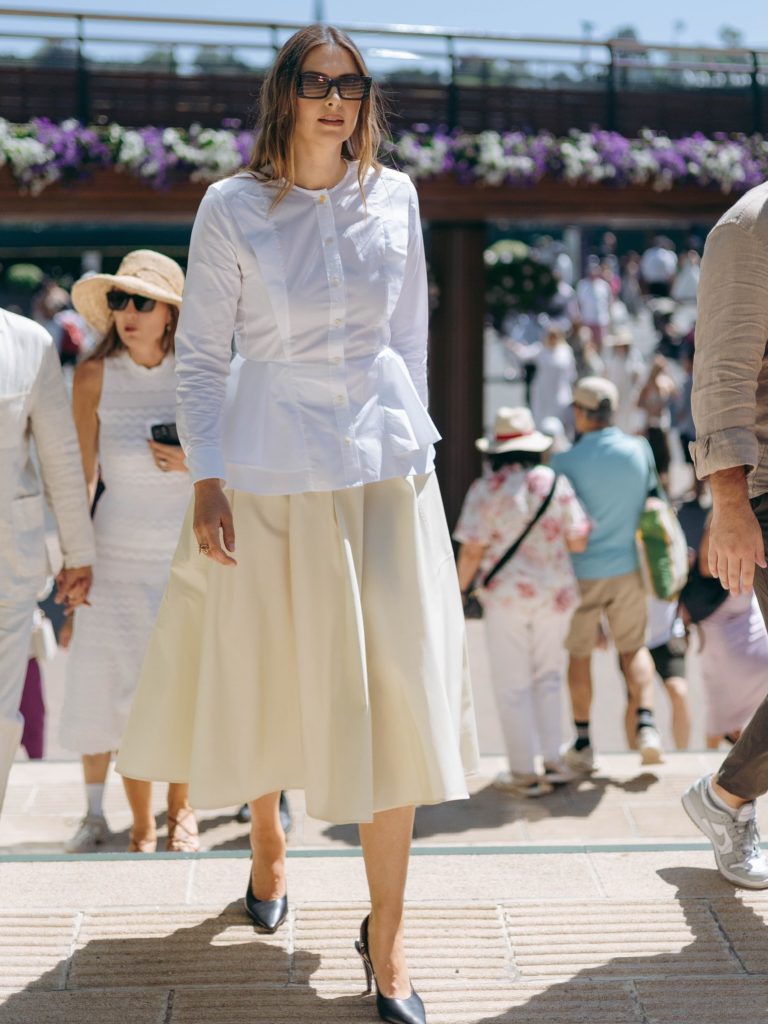
Maria Sharapova has 4.7 million followers, proving that an athlete’s influence can remain powerful long after retirement. The former World No. 1 and five-time Grand Slam champion was one of the early examples of an athlete successfully blending sport, fashion and celebrity culture. Today, her Instagram reflects her interests in business, architecture, design and wellness, giving followers a window into the life she has built beyond tennis.
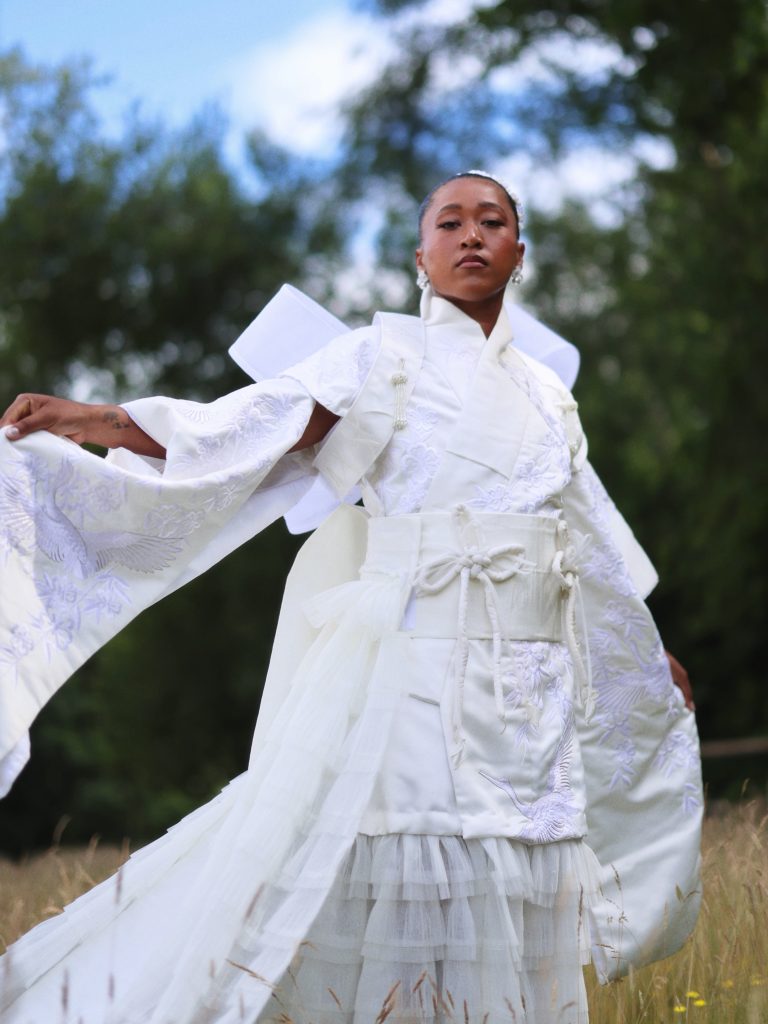
Naomi Osaka has 3.2 million followers and has created a particularly distinctive digital identity. The four-time Grand Slam champion has built an audience that extends well beyond tennis, with fashion, activism, lifestyle and design forming major parts of her public image. Her openness about mental health and social issues has also helped her connect with a generation of fans who see athletes as cultural voices as much as sporting figures.
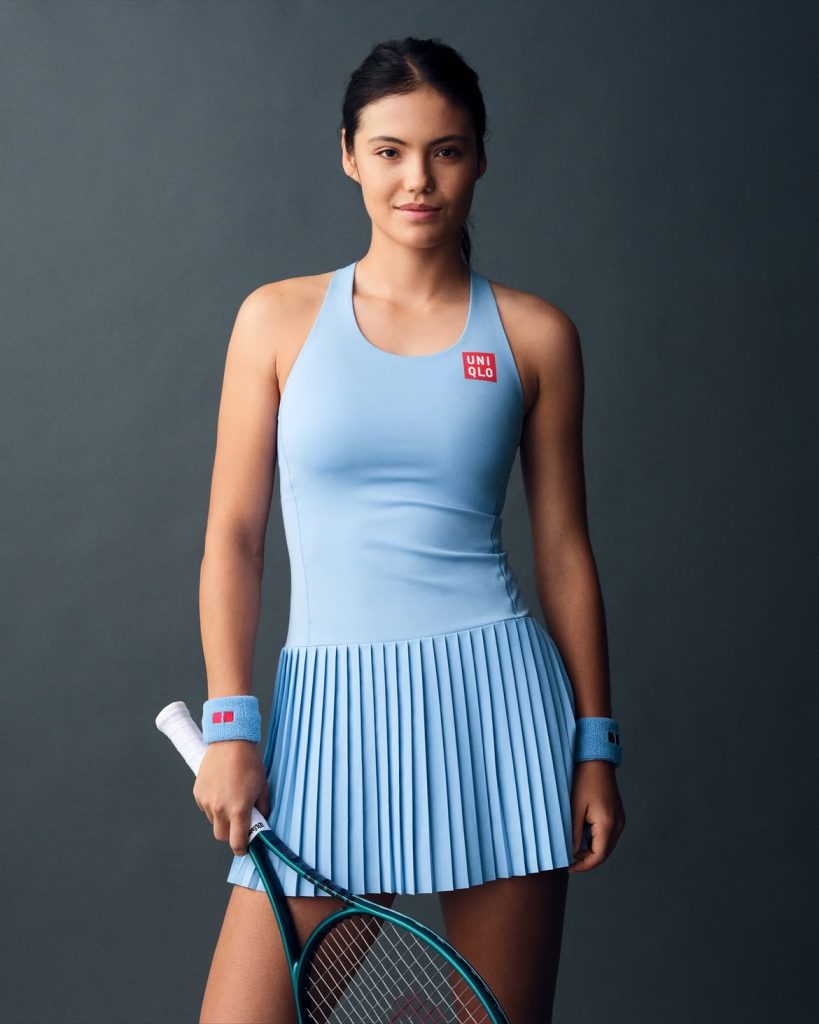
Emma Raducanu comes in with 2.9 million followers. Her 2021 US Open triumph turned the then-18-year-old into a global star almost overnight, bringing major attention from both the sporting and fashion worlds. Her Instagram reflects that crossover, combining tournament preparation and tennis moments with appearances at fashion events and campaigns for major international brands.
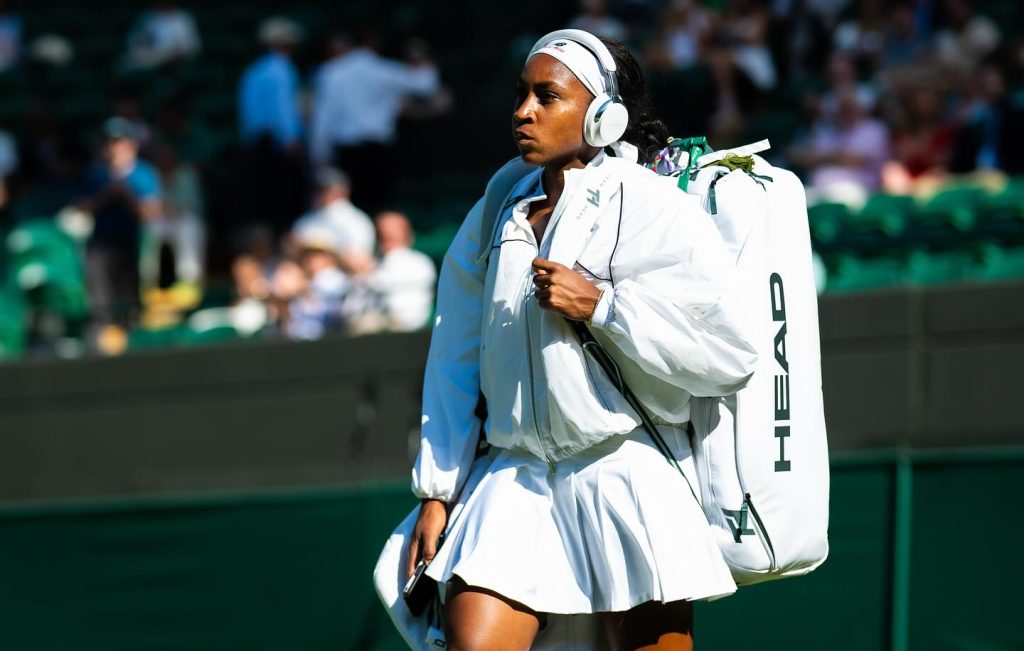
Coco Gauff rounds out the list with 2.4 million followers. Having entered the professional spotlight as a teenager, Gauff has grown her digital audience alongside her rise through the sport. Her Grand Slam success, Olympic experience and increasingly prominent role in popular culture have helped turn her into one of tennis’s most recognisable young stars. Her social media balances match-day updates with lifestyle content and the occasional glimpse into her personality away from competition.
What makes these numbers particularly interesting is that follower count doesn’t necessarily depend on trophies alone. Serena Williams and Maria Sharapova remain hugely influential despite stepping away from professional tennis, while players such as Osaka have built audiences by combining sport with broader cultural conversations.