There are names that return to global power lists with the kind of consistency that feels less like ceremony and more like quiet confirmation — and Ngozi Okonjo-Iweala has become one of them. Forbes has released its 2025 ranking of the 100 Most Powerful Women, and the WTO Director-General makes her eighth appearance, a reminder of how firmly her influence sits at the intersection of global trade, economic reform and African leadership.
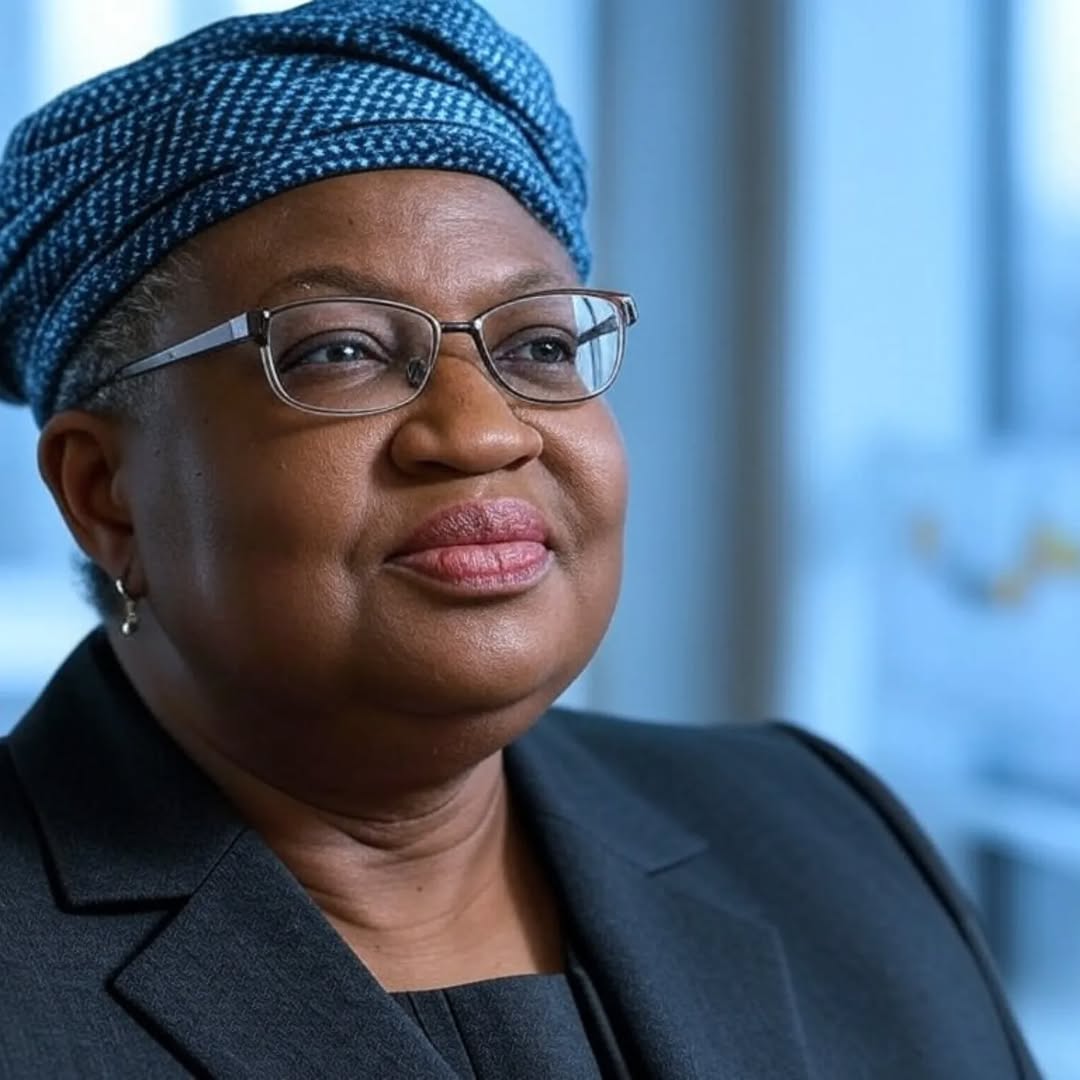
Her announcement on X was characteristically measured. Power, she noted, isn’t a badge; it’s responsibility — particularly the responsibility to create a trading system that doesn’t tilt the world further off balance. At the WTO, her focus remains on bolstering developing economies and guarding the international market against deeper instability.
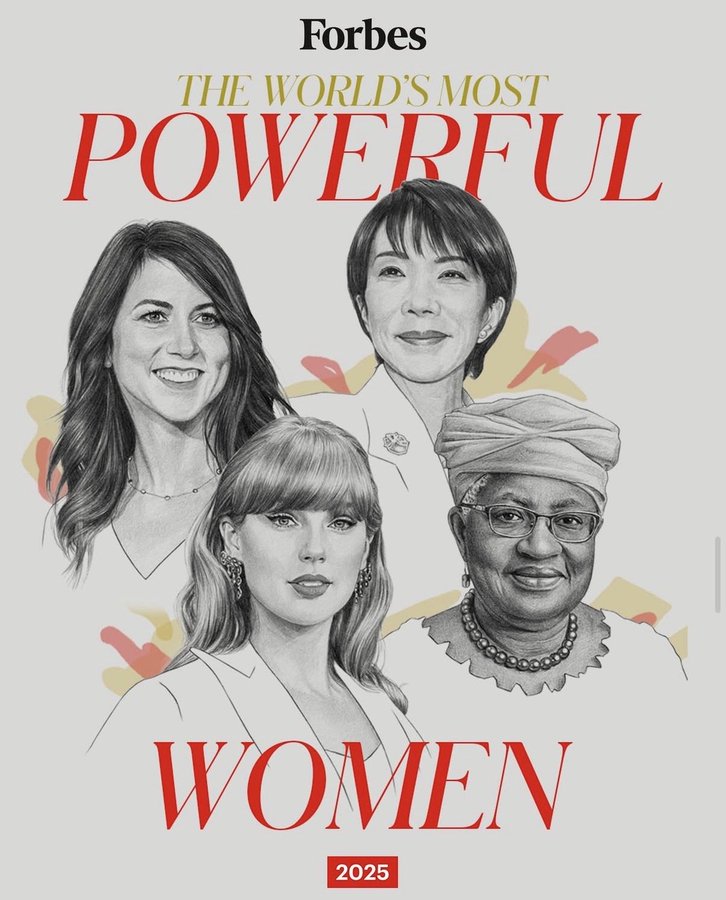
Ranked No. 92 this year, Okonjo-Iweala continues to hold her record-making status as both the first African and the first woman to lead the WTO since 2021. Forbes points to her three decades of work in development and public policy: two landmark terms as Nigeria’s Finance Minister, a historic stint at Foreign Affairs, and her leadership at Gavi, where she helped deliver vaccines to hundreds of millions of children.
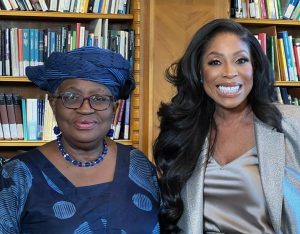
In her post, she also spotlighted the other African women standing tall on this year’s list — among them Namibia’s President Netumbo Nandi-Ndaitwah, the DRC’s Prime Minister Judith Suminwa, Bidvest CEO Mpumi Madisa, media mogul Mo Abudu, and Barbados’ Prime Minister Mia Mottley. A reminder that the continent’s influence is not emerging; it is already here, fully formed and steadily expanding.
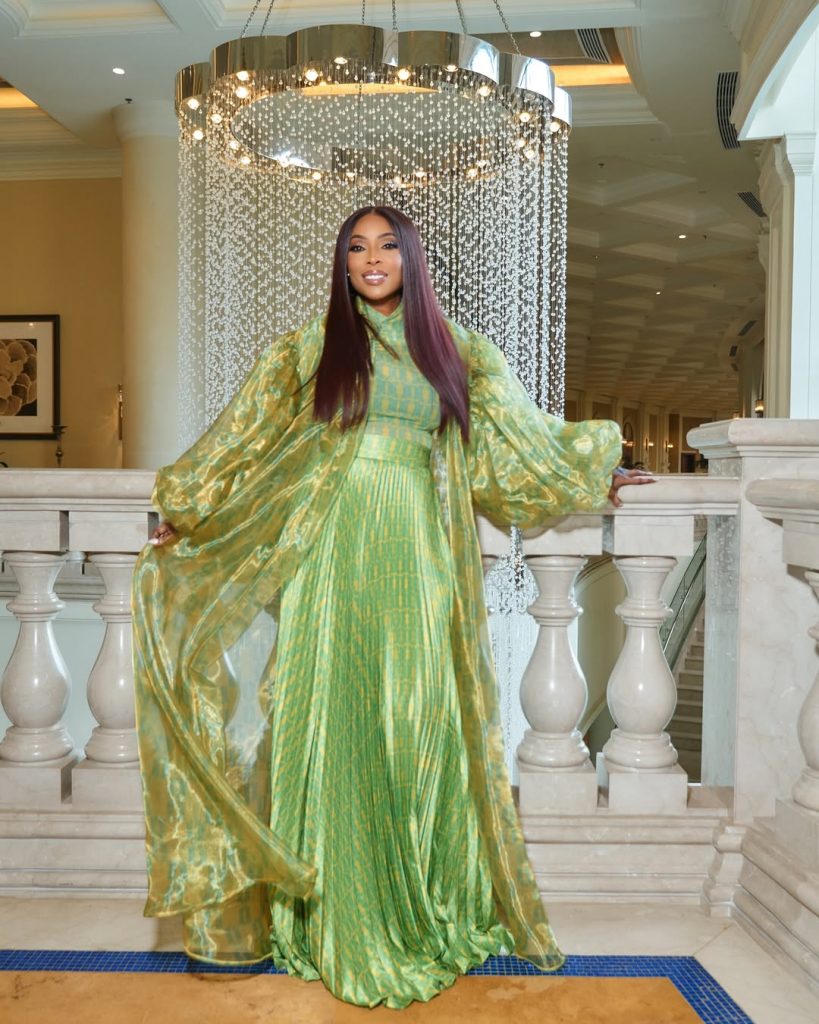
Across the broader list, Forbes maps the shifting terrain of global power. Tech leaders like AMD’s Lisa Su, Microsoft’s Amy Hood and Nvidia’s Colette Kress underscore how deeply innovation now shapes influence. In culture and entertainment, familiar names — from Mo Abudu to Kim Kardashian — reflect the reach of media empires that operate far beyond screens.
Okonjo-Iweala’s continued inclusion follows her 2024 reappointment for a second term at the WTO, reinforcing the confidence world leaders place in her steady, reformist approach.