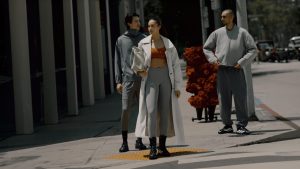


Eli Russell Linnetz built a Paris collection out of a family trip that didn’t quite fit anywhere. That tension is the whole point.
Eli Russell Linnetz built “The Island” out of a memory that, by his own account, was a little awkward. A family trip that did not quite cohere, somewhere between East Coast formality and California ease, belonging fully to neither. Most designers would smooth that discomfort out in the final collection. Linnetz kept it.
That decision is what makes “The Island” interesting rather than simply pleasant.
Shown in Paris on Friday night, the collection marks two firsts for ERL: an extended womenswear offering and the brand’s first Paris showroom. Both are significant moves for a label that built its identity on a very specific, very personal version of American nostalgia. Expanding into a fuller women’s line and establishing a European presence are the kinds of decisions that signal a brand thinking beyond its original audience.
The clothes themselves hold the tension Linnetz started with. Tartan tailoring, rugby knits, cable vests, and pastel suiting represent the East Coast prep side, controlled, inherited, slightly formal. Acid-washed denim, chartreuse sportswear, surf graphics, and sun-faded hoodies pull from Venice Beach’s looser register. Neither side wins. The collection does not resolve into one aesthetic; it sits in the friction between two American identities that rarely get styled together with this much sincerity.
The womenswear expansion is the most consequential part of this release. Bikinis, slip dresses, and floral separates introduce a softer register to ERL’s vocabulary, while the brand’s signature patchwork technique carries through to tie the new pieces back to the label’s established identity. This is not a women’s line bolted onto a menswear-first brand as an afterthought. It reads as a genuine extension of the same design language, translated rather than diluted.
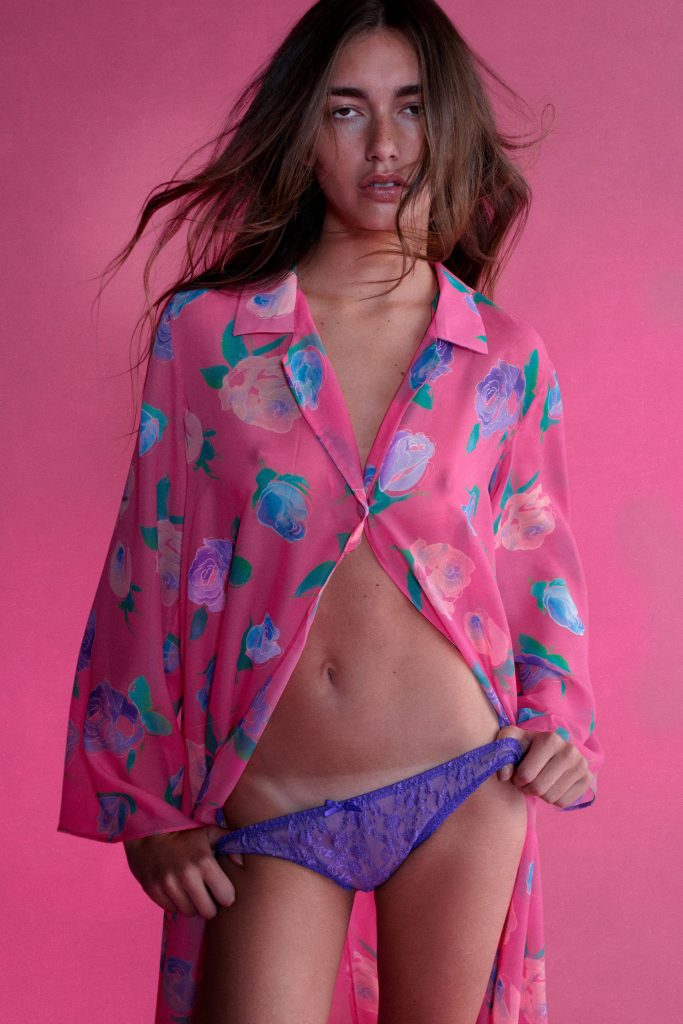
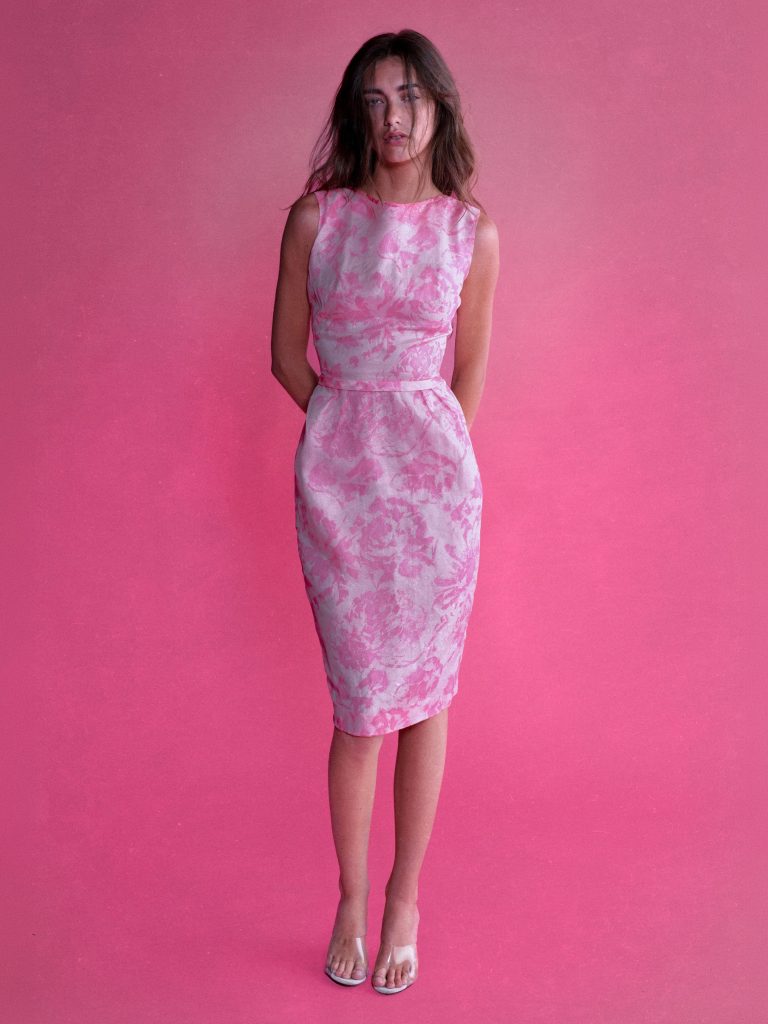
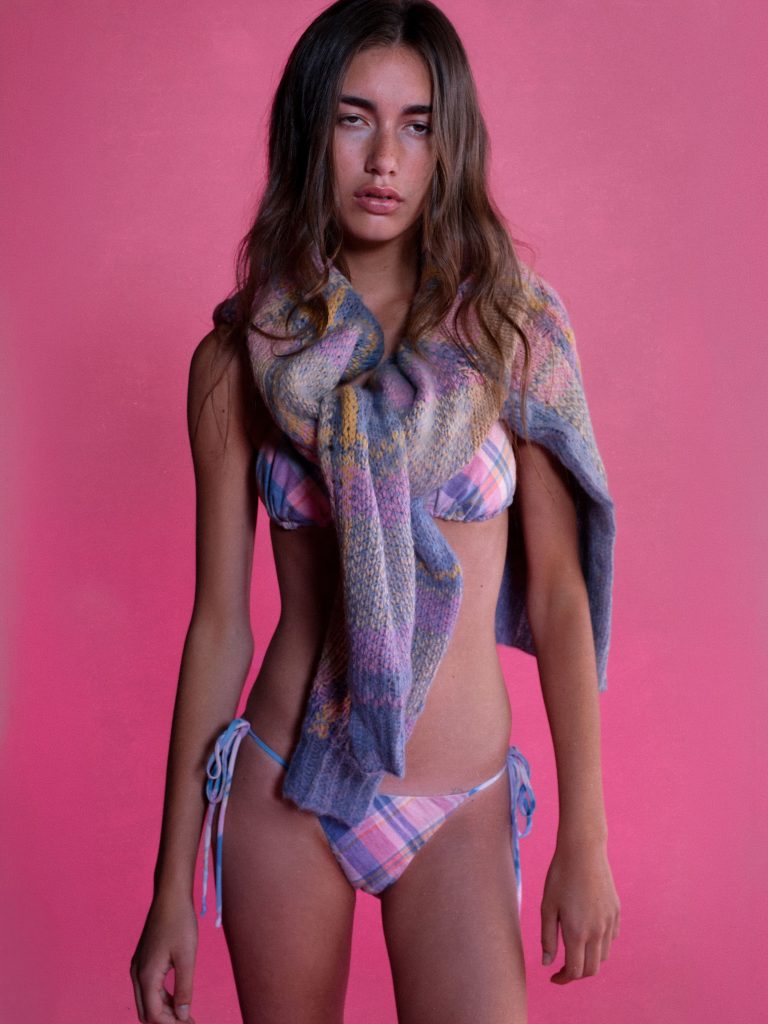
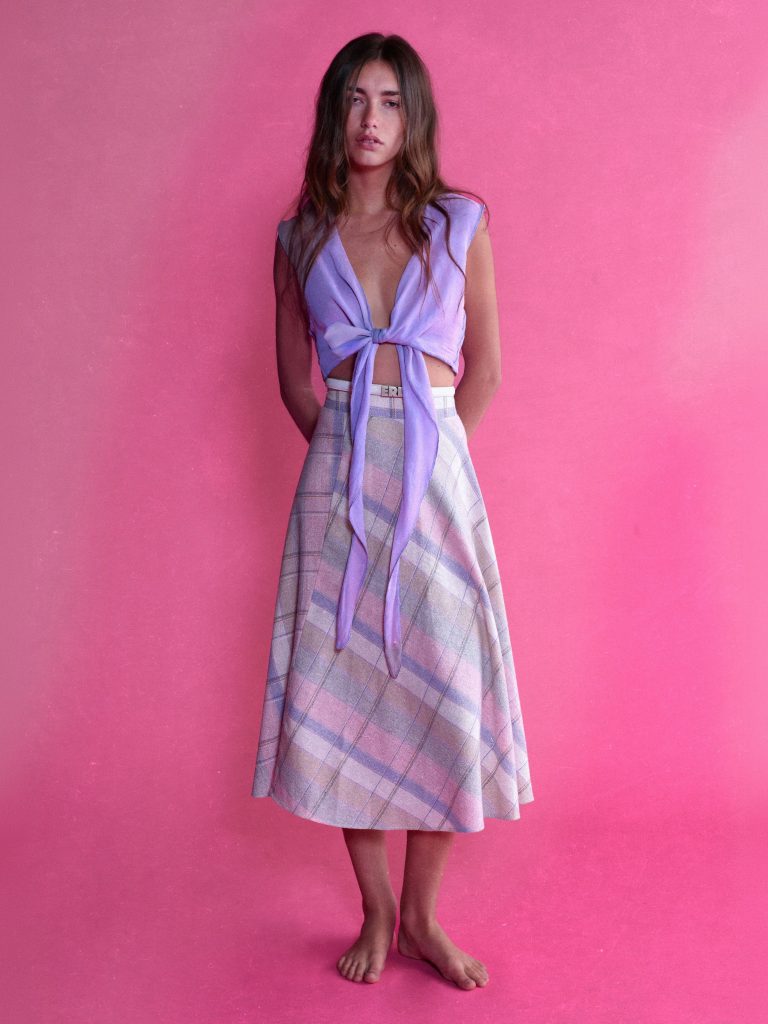
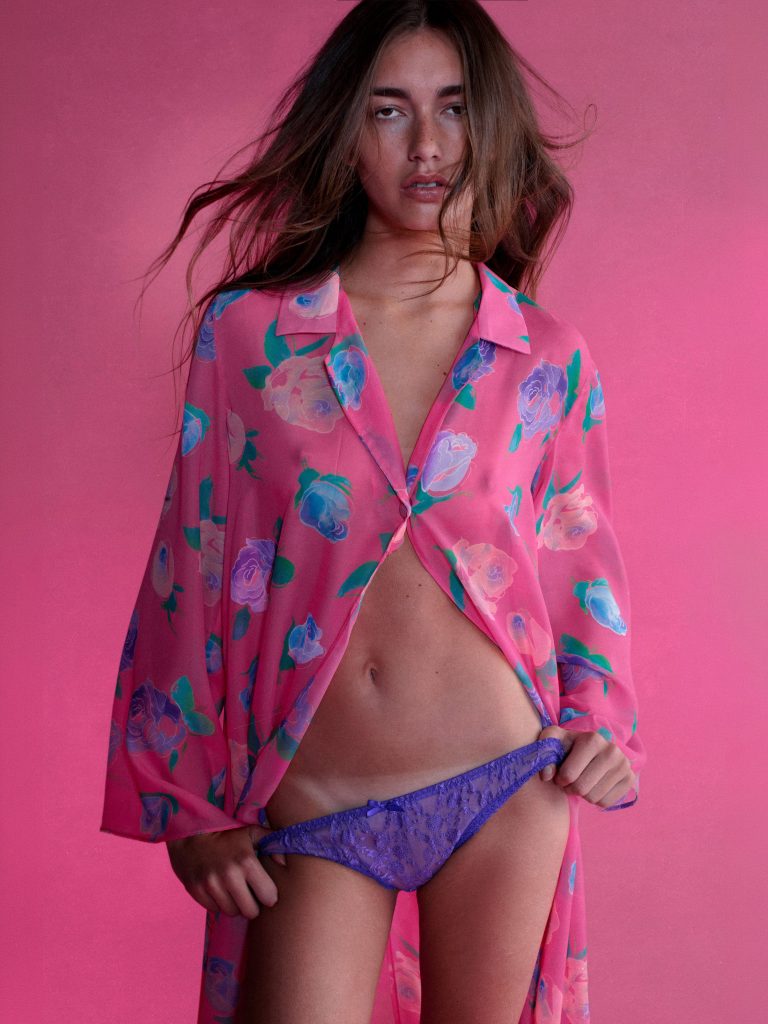
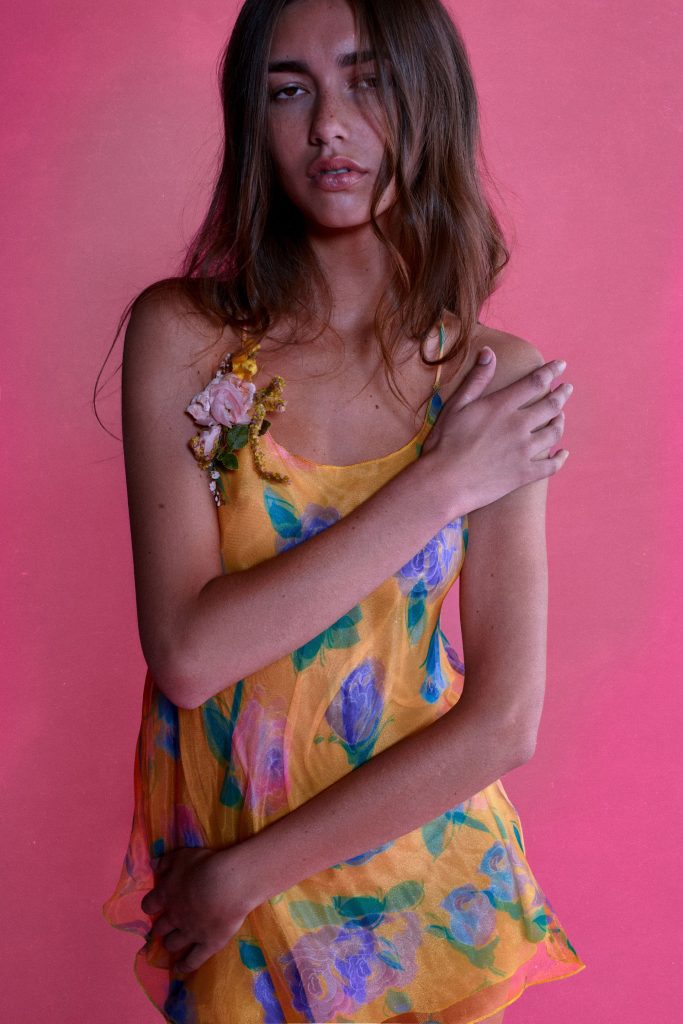

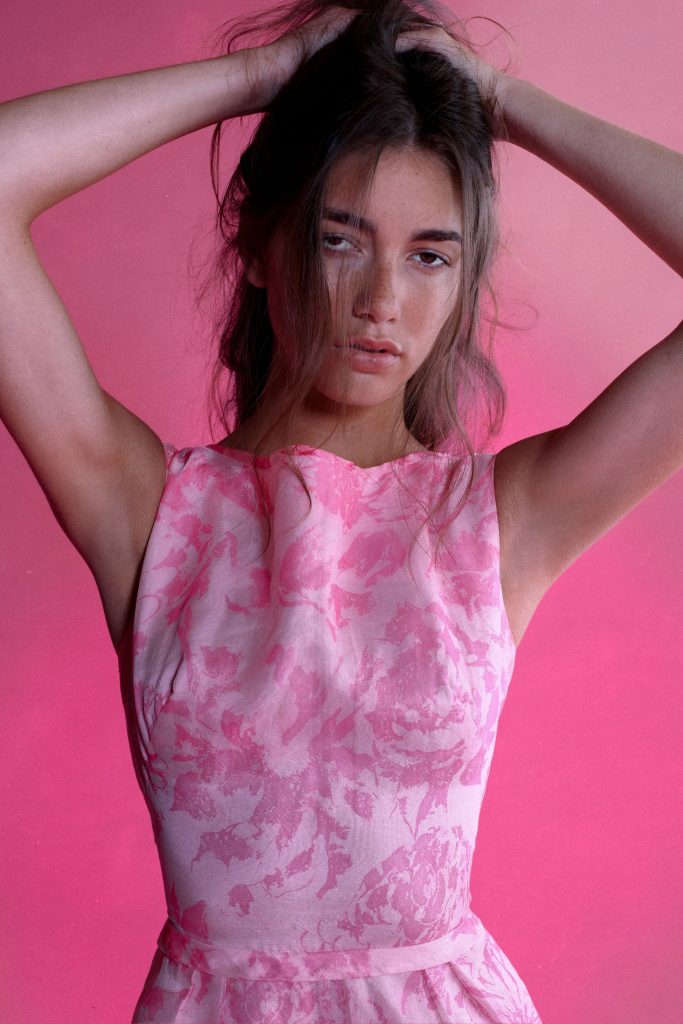
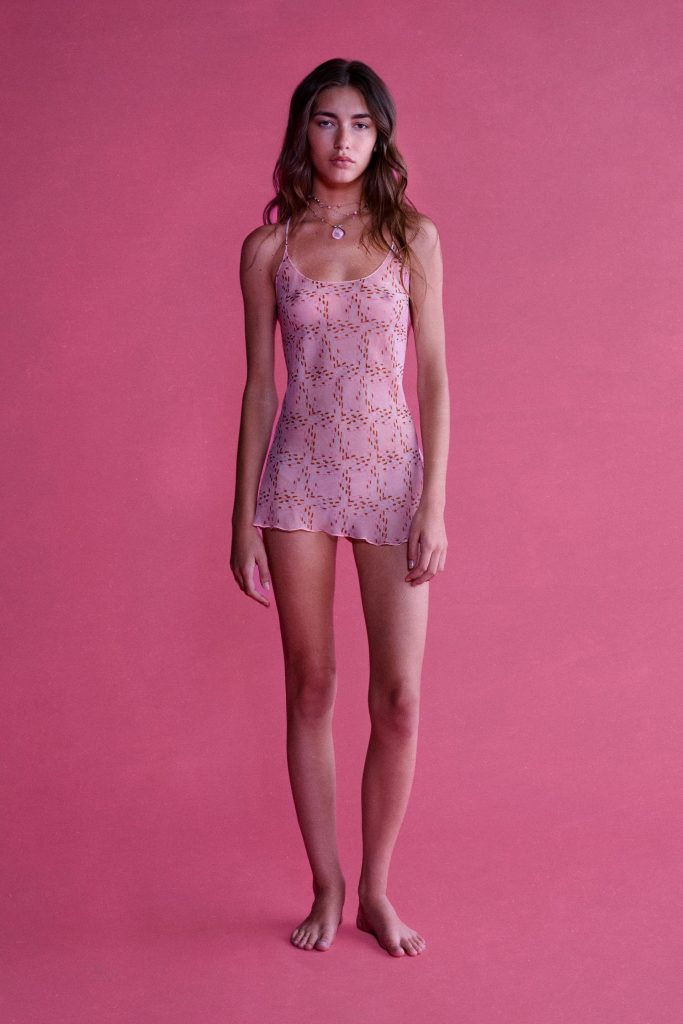
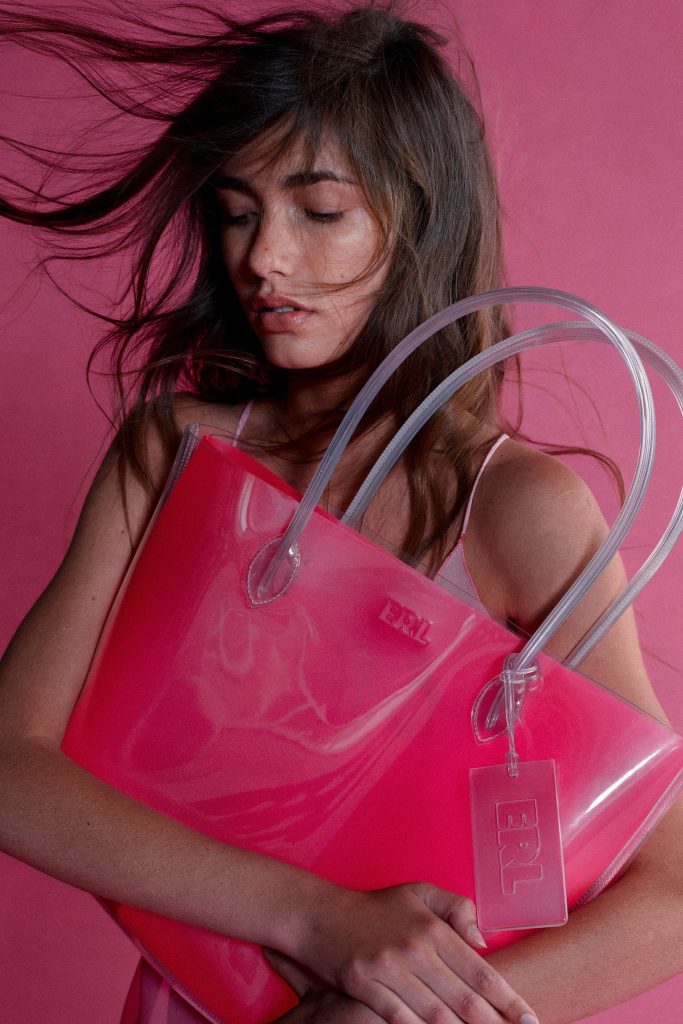
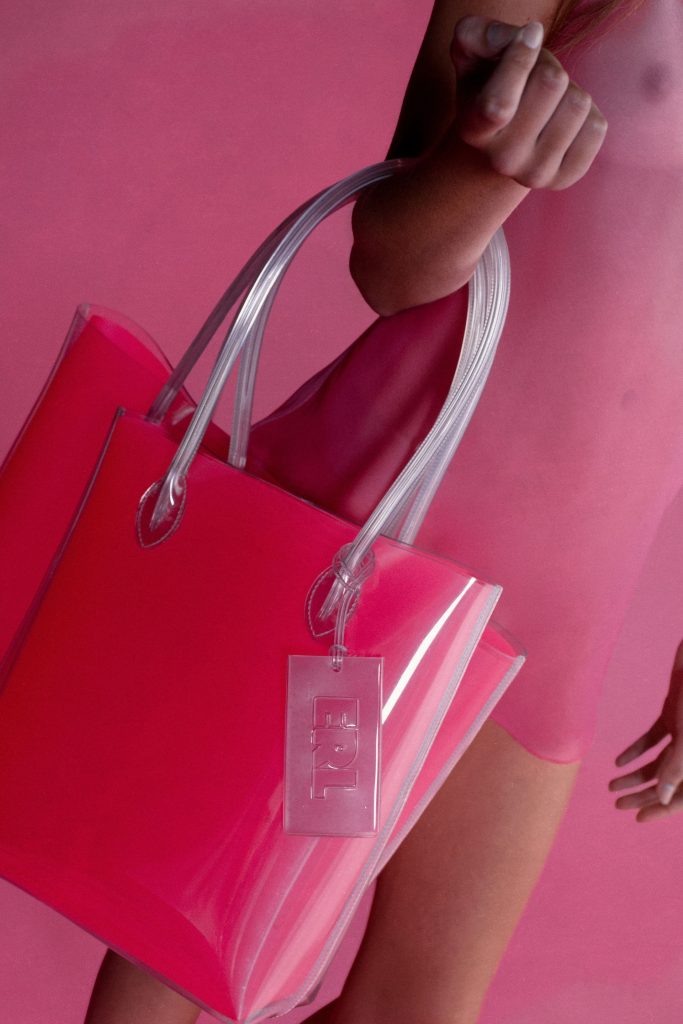
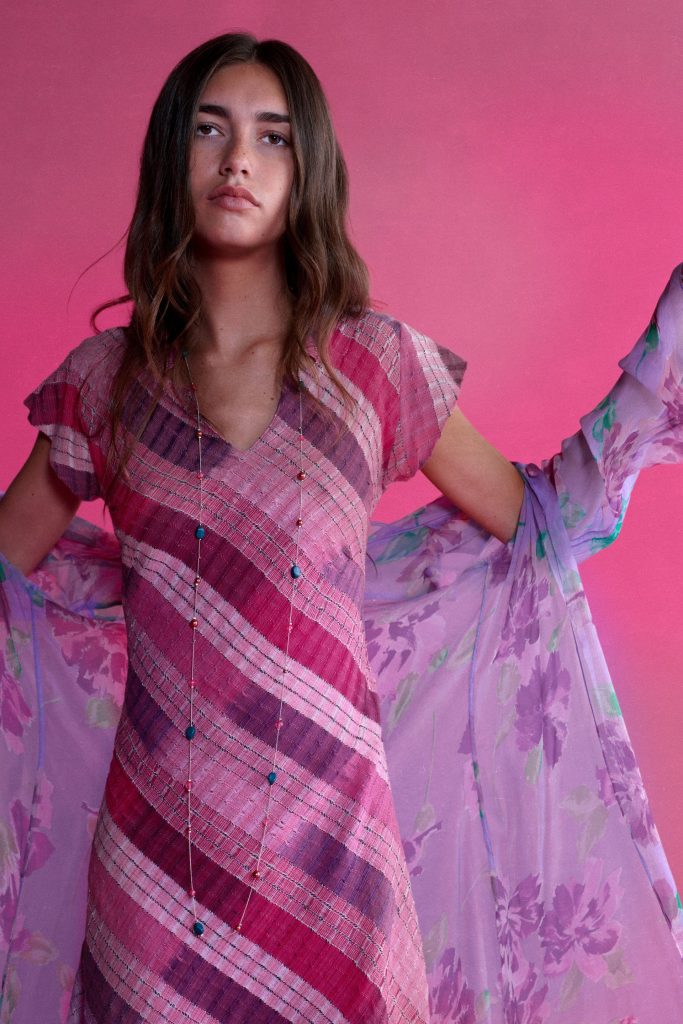
Accessories and footwear continue building out the full ERL world, washed driving loafers, beach bags, leather belts while the craftsmanship details do real work to justify the collection’s ambitions. One-off artisanal pieces, antique textiles, and deadstock fabrics throughout signal that this expansion is not about volume. It is about depth.
What “The Island” ultimately argues is that American identity was never one clean thing to begin with. Linnetz took a memory that did not resolve neatly and built an entire collection around that lack of resolution, rather than editing it into something tidier.
That refusal to smooth things over is the most ERL thing about this collection.