
Some collaborations feel transactional. Others feel inevitable.
With the launch of the Nike x Homecoming Festival Air Max Plus, Grace Ladoja delivers something far more significant, a moment that reflects years of cultural work, community building, and intentional storytelling.
As the founder of Homecoming Festival, Ladoja has spent close to a decade shaping a platform that sits at the intersection of music, fashion, sport, and art. What began as a bridge between Lagos and London has grown into a global movement, one that connects the diaspora with the continent while amplifying African creative voices on an international stage.
This collaboration feels like a natural evolution of that mission.
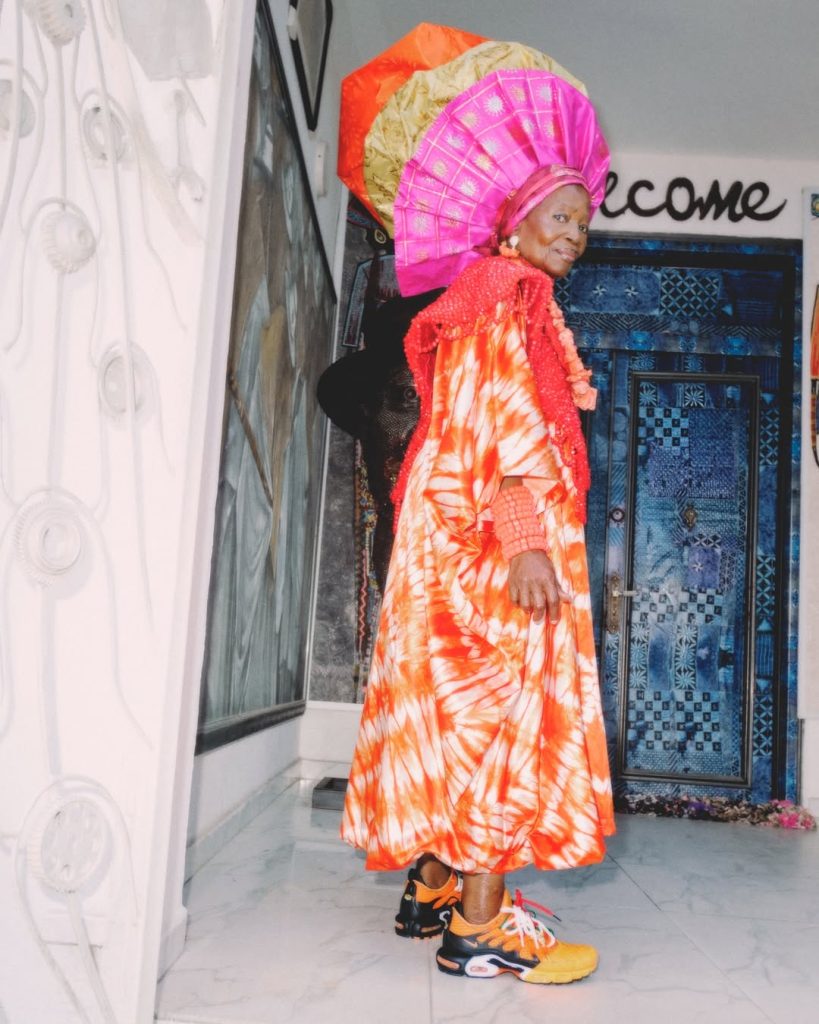
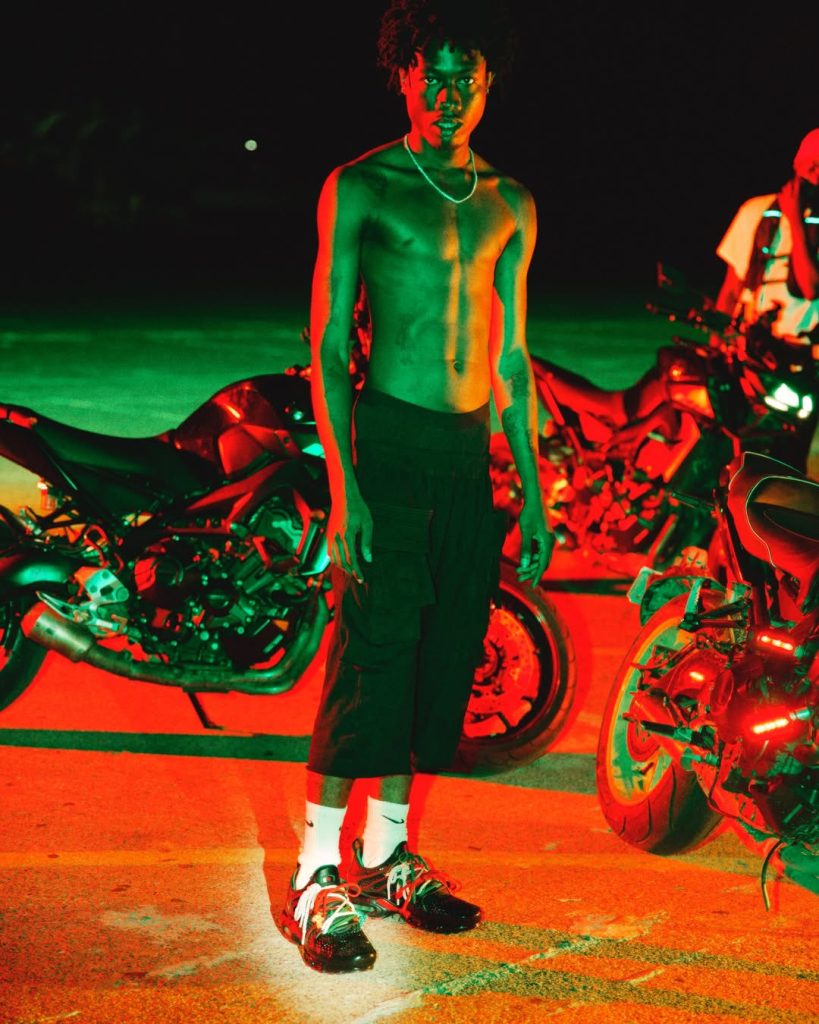
The Air Max Plus is reimagined through the Homecoming lens, drawing from the visual and cultural language of both Lagos and London. It’s a design rooted in duality reflecting migration, identity, and belonging while maintaining the silhouette’s iconic edge. In doing so, Ladoja becomes the first African woman to design a Nike sneaker, marking a milestone that speaks to both representation and long-overdue recognition within global design spaces.
Yet, beyond the product itself, it’s the storytelling that anchors this release.
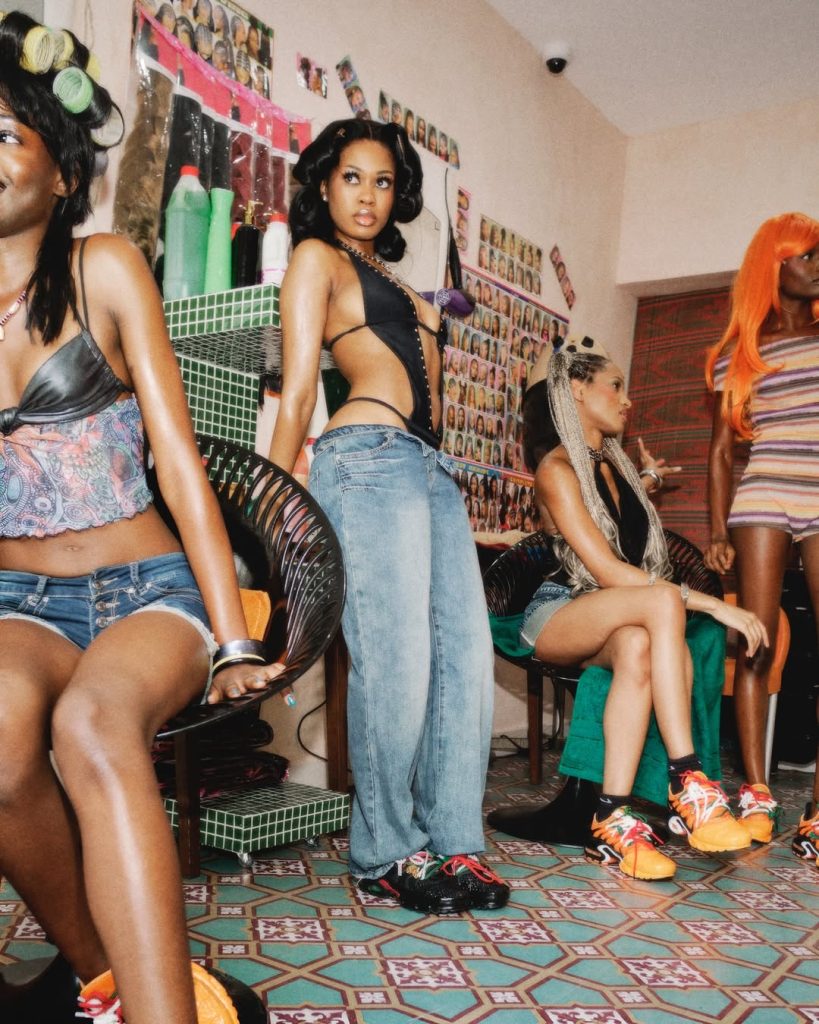
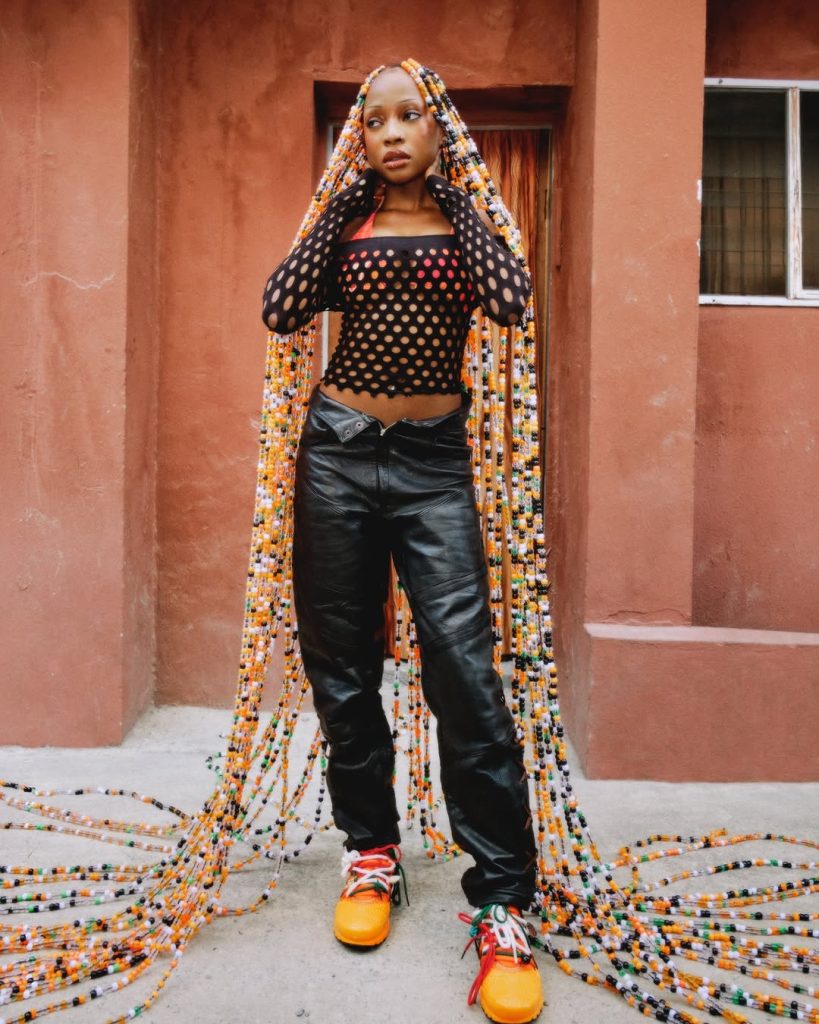
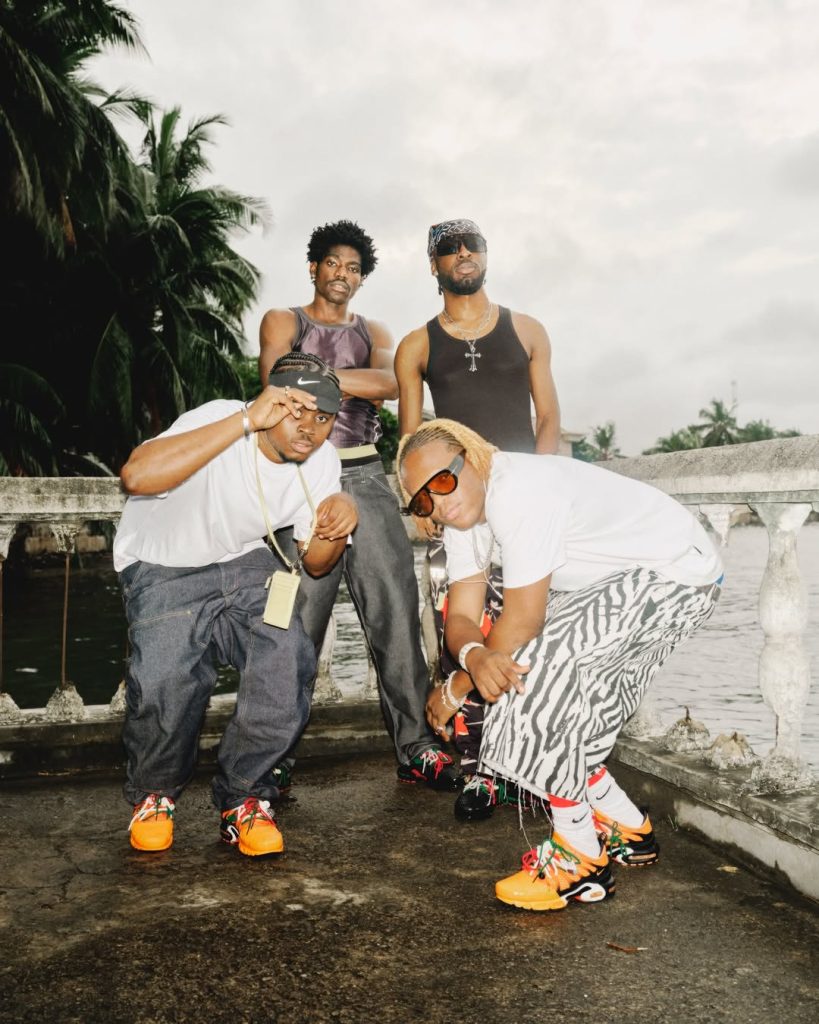
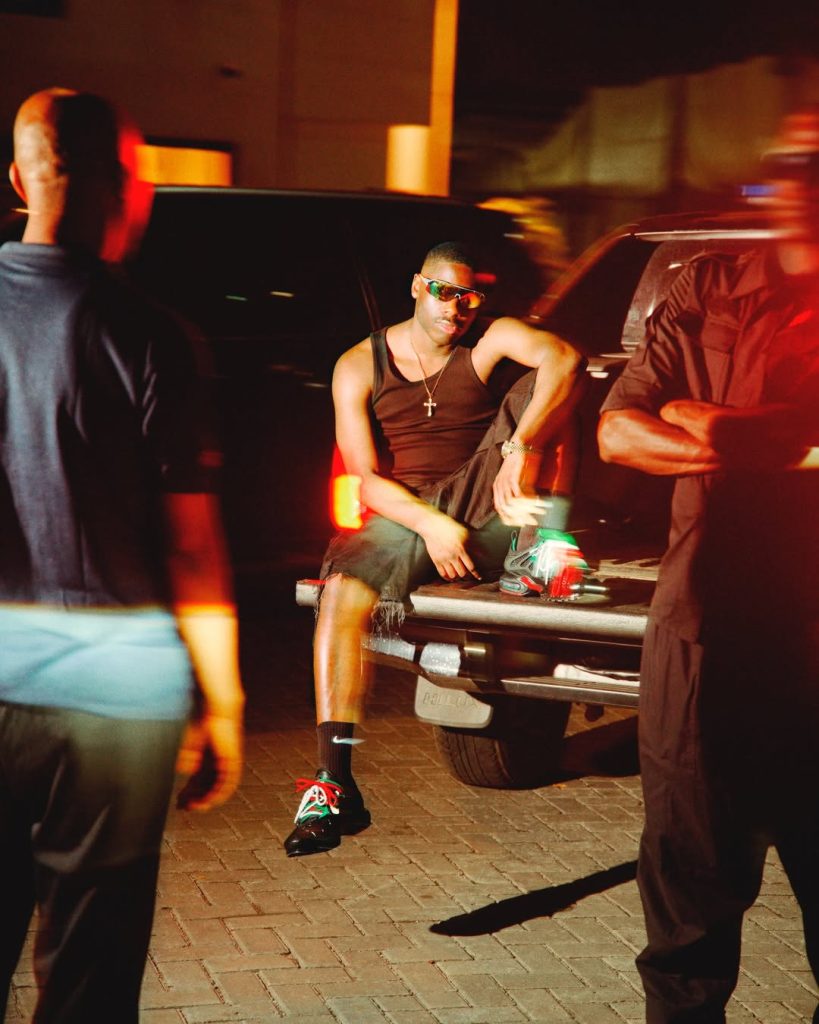
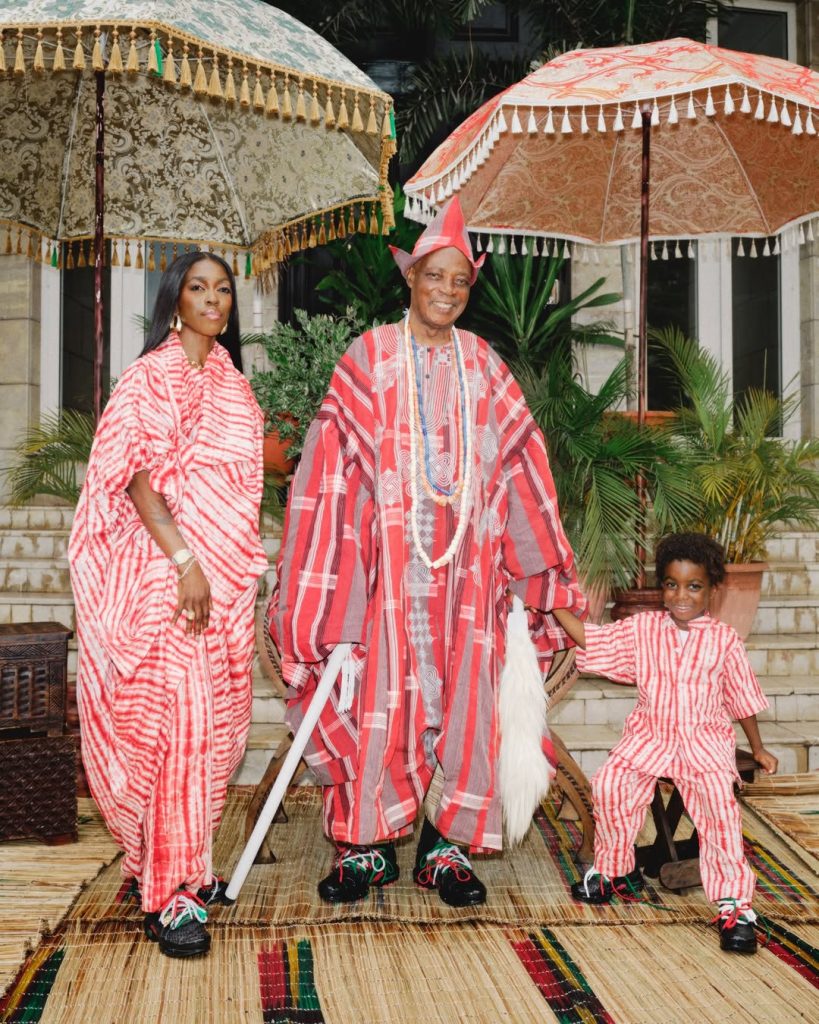
The campaign offers a deeply personal visual, Ladoja photographed alongside her son and her father, Rashidi Adewolu Ladoja, the 44th Olubadan of Ibadanland. It’s a quiet but powerful image, one that connects past, present, and future in a single frame. In an industry often driven by hype cycles, this moment feels grounded—centred on lineage, legacy, and continuity.
At its core, the Nike x Homecoming Air Max Plus is not just a sneaker release. It’s a reflection of what happens when culture is built with intention—when global platforms are used to tell local stories, and when identity is not diluted, but amplified.
It’s about movement, in every sense of the word.